Aid ship heads to Gaza
Aid ship heads to Gaza

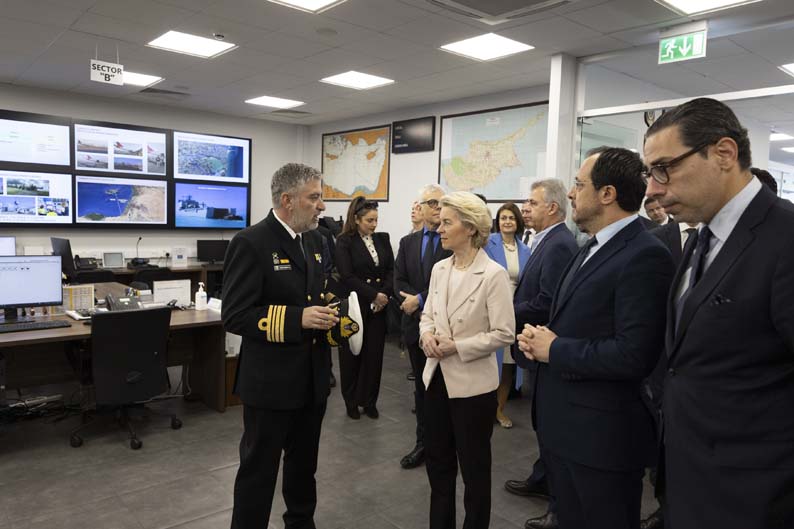
The maritime corridor for humanitarian aid from Cyprus to Gaza is likely to be launched on Sunday, as stated by European Commission President Ursula von der Leyen in Larnaca after inspecting the port installations with President Nikos Christodoulides. The Amalthea Initiative, aimed at delivering aid to Gaza following five months of war, was led by Cyprus and supported by the EU, the United Arab Emirates, the U.S., and the U.K. The first vessel, belonging to the Spanish NGO Open Arms, is anchored in Larnaca, ready to deliver food and supplies provided by the World Central Kitchens charity. The U.S. military plans to set up a temporary port off Gaza’s coast to support the initiative, as announced by President Joe Biden. The Cyprus maritime corridor intends to scale up aid by complementing other routes, including the Rafah crossing from Egypt and airdrops from Jordan. The UN Special Coordinator for Gaza, Sigrid Kaag, plays a crucial role in coordinating humanitarian assistance to Gaza. The European Commission President emphasized the dire humanitarian situation in Gaza and the need for aid, mentioning Europe’s financing of a major humanitarian effort for Palestinians in Gaza and the region, amounting to €250 million this year. The EU has launched 41 flights carrying over 1,800 tonnes of aid and is considering all options, including airdrops. The EU naval force operation Aspides was launched to ensure freedom of navigation in the Red Sea amid deteriorating maritime security. Von der Leyen highlighted the importance of preparing for a viable two-state solution, calling for an immediate humanitarian pause leading to a sustainable ceasefire, opposing forced displacement of Palestinians and the blockade of Gaza, and condemning Gaza as a safe haven for terrorists.

Israel strikes landmark residential tower in southern Rafah as truce talks stall [PHOTOS]

Israel strikes landmark residential tower in southern Rafah as truce talks stall [PHOTOS]

Israel conducted a strike on one of the largest residential towers in Rafah, located in the southern Gaza Strip. The 12-floor building, which housed around 300 residents and was situated approximately 500 meters from the Egyptian border, sustained damage. Although no casualties were reported, the strike rendered dozens of families homeless. Residents received a 30-minute warning before the building was hit, leading to a chaotic evacuation. The Israeli military has not commented on the incident. This action is part of a broader conflict that has seen nearly 31,000 Palestinians killed and over 72,500 wounded in five months, with thousands trapped under rubble. The ongoing offensive has significantly impacted Gaza, exacerbating a humanitarian crisis in the territory, which has been under a blockade for 17 years. The conflict was triggered by a Hamas-led attack on southern Israel on October 7, resulting in 1,200 deaths and 253 hostages taken, according to Israeli reports. Negotiations for a ceasefire and the release of hostages have faced challenges. The cost of rebuilding Gaza is estimated to exceed billion. In recent operations, the Israeli military reported conducting arrests, locating weapons, and killing over 30 fighters in various locations in Gaza. The Gaza health ministry reported at least 82 people killed in Israeli attacks across the Gaza Strip in the last day.

Hamas delegation leaves Cairo, ceasefire talks ongoing 

Hamas delegation leaves Cairo, ceasefire talks ongoing 

– Hamas’s delegation left Cairo on Thursday after four days of talks mediated by Qatar and Egypt aimed at securing a 40-day ceasefire before Ramadan, but no progress was made on key issues.
– Both sides blame each other for the lack of progress, with Hamas seeking an end to Israel’s offensive, withdrawal of its forces, and freedom of entry for aid and the return of displaced people.
– Israel insists on continuing its campaign against Hamas and demands a list of hostages held by militants in Gaza.
– The U.S. President mentioned that a ceasefire deal depends on Hamas, which includes freeing some hostages held by Hamas since the Oct. 7 attack and releasing Palestinian prisoners held in Israel.
– Hamas wants a ceasefire before addressing the hostage situation, demands Israeli forces leave Gaza, and allows all Gazans to return home.
– News of the failed talks led to despair in Gaza, facing a humanitarian crisis after five months of war.
– The U.S. believes a truce accord is still possible and continues to push for one.
– Health officials in Gaza report over 30,800 deaths due to Israel’s offensive, with 83 deaths in the last 24 hours.
– Israel returned 47 bodies of Palestinians killed during the offensive.
– Hamas calls for increased visits to the Al-Aqsa Mosque during Ramadan to pressure Israel for a ceasefire.
– Negotiators aimed for an accord before Ramadan due to concerns that the Al-Aqsa Mosque could become a violence flashpoint.
– Israel plans to allow a similar level of access to the Al-Aqsa Mosque as in previous years.

Israel destroying Gaza’s food system in ‘starvation’ tactic, UN expert says

Israel destroying Gaza’s food system in ‘starvation’ tactic, UN expert says

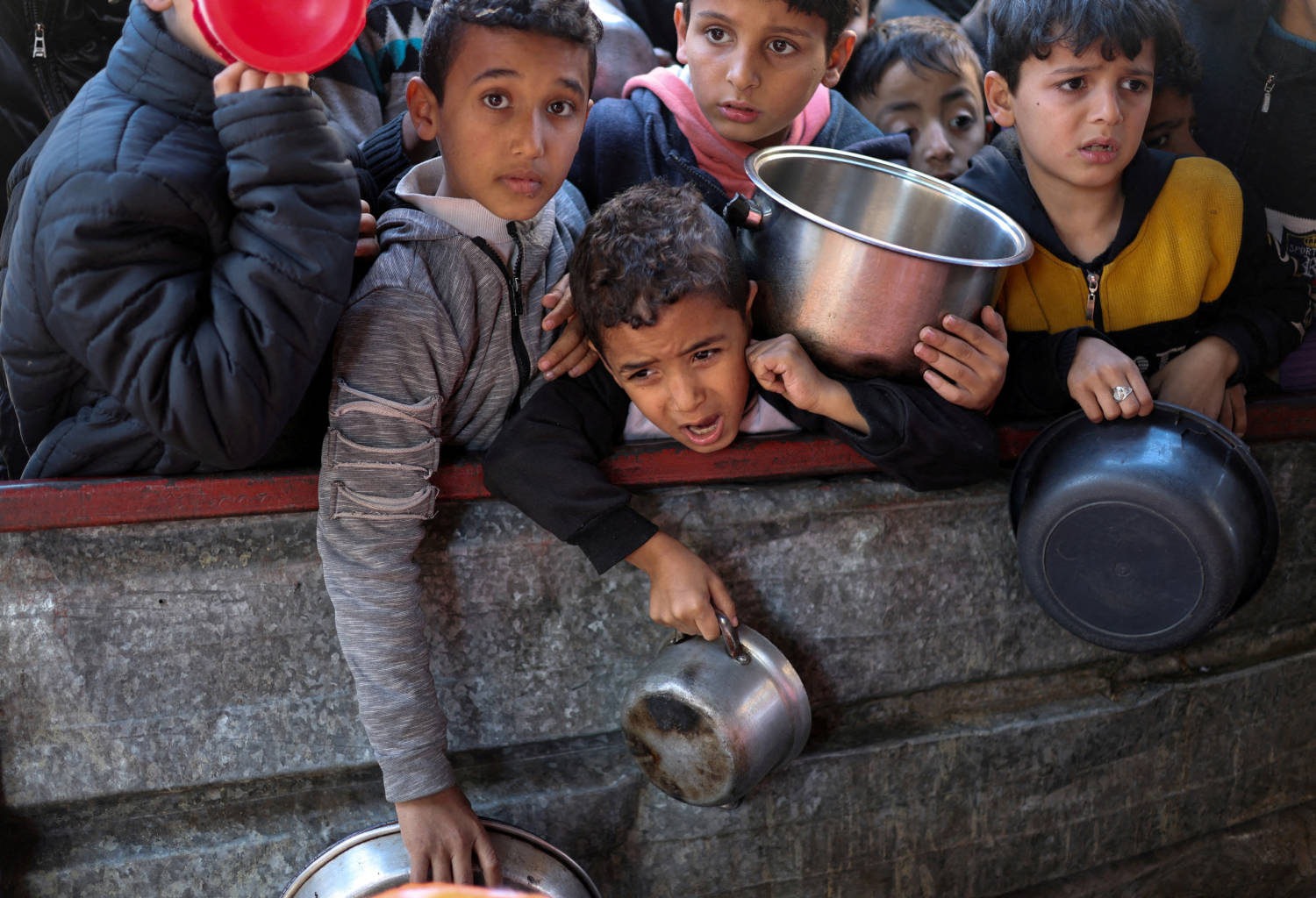
A U.N. expert, Michael Fakhri, stated that Israel is destroying Gaza’s food system as part of a “starvation campaign” in its war against Hamas militants. Aid officials have warned of a looming famine, and hospitals report children dying from malnutrition. Fakhri accused Israel of denying and restricting humanitarian aid and specifically targeting the fishing sector, with around 80% of Gaza’s fishing sector destroyed since Oct. 7. Israel denies restricting relief and waging war on civilians, stating its fight is with Hamas.

Gaza truce talks expected as offensive and aid crisis rage on

Gaza truce talks expected as offensive and aid crisis rage on

Mediators are expected to reconvene in Cairo to find a ceasefire formula acceptable to Israel and Hamas for Gaza. Foreign governments have conducted airdrops to aid civilians in Gaza. Israeli and Hamas delegations are expected in Cairo, but Israel wants a list of alive hostages before sending a delegation. A framework for a six-week pause in fighting, agreed upon by Israel, now depends on Hamas releasing hostages. The U.S. has called for more aid into Gaza, which Israel denies restricting. The U.S. military airdropped 38,000 meals over Gaza. Israel disputes the death toll from a food convoy catastrophe, attributing most deaths to being trampled or run over. Since October 7, when Hamas attacked, killing 1,200 and abducting 253, over 30,000 have been killed in Gaza, and tens of thousands injured. Fighting continued around Khan Younis and Rafah, with significant casualties reported. Hamas insists a temporary truce must lead to ending the war, with assurances given for negotiating a permanent ceasefire in later phases.