Our View: Centre-right Disy needs to rediscover its,   old core values
Our View: Centre-right Disy needs to rediscover its,   old core values

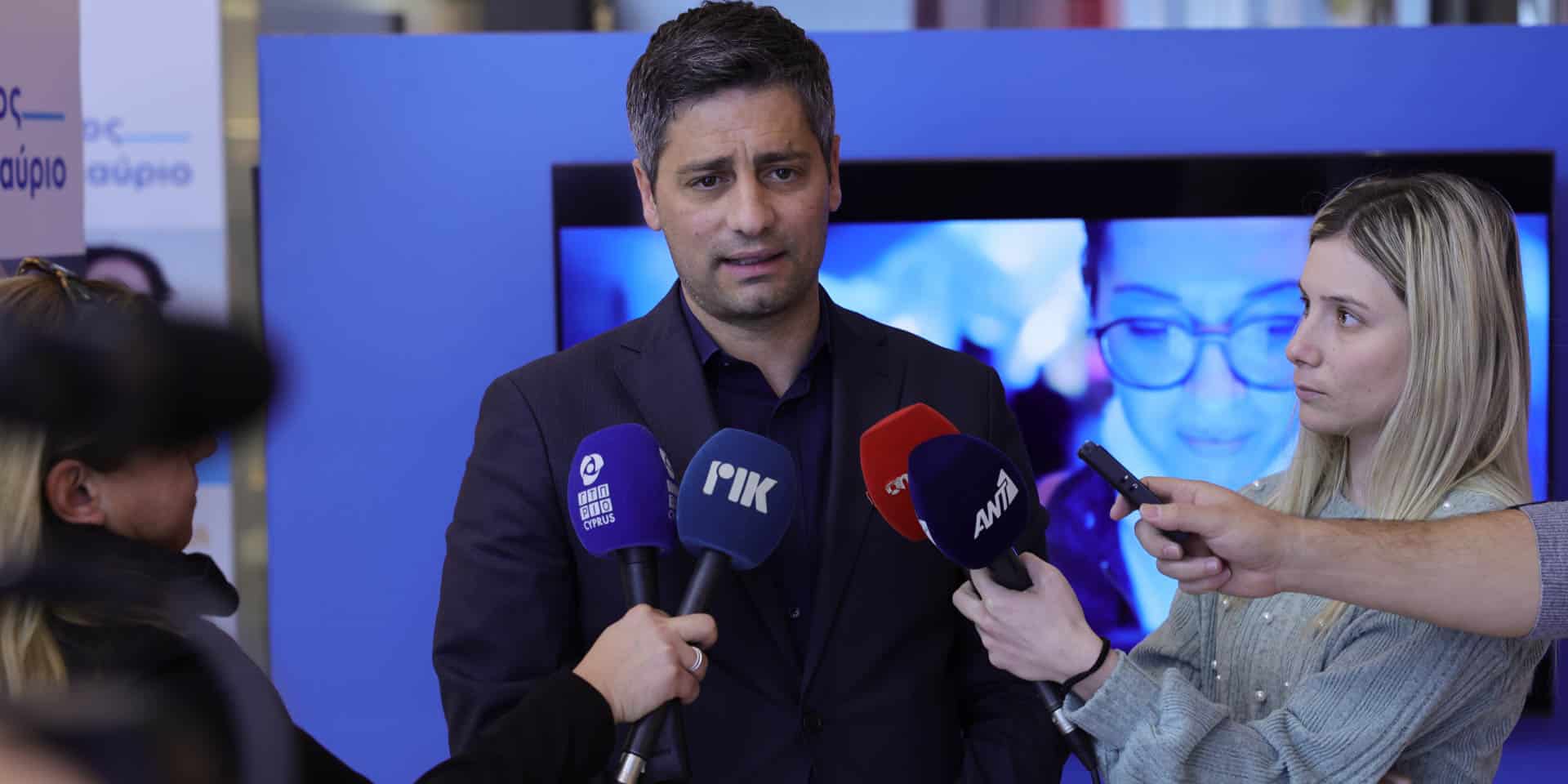
Marios Pelekanos, the former vice president of Disy, resigned from his position a few weeks before defecting to Elam, where he will be a candidate. He justified his move by stating it aligned with his long-standing positions on issues important to Greek Cypriots, such as immigration, demographic concerns, and promoting economic policies for vulnerable groups. His defection was seen as a career move after realizing he would not secure a place on Disy’s ballot paper. Annita Demetriou, the leader of Disy, regarded Pelekanos’ departure as beneficial, highlighting it as a wake-up call for the party to rediscover its right-wing values, focusing on the free market, business, enterprise, and European values, rather than competing with Elam for votes.

DISY criticises Pelekanos-ELAM alliance

DISY criticises Pelekanos-ELAM alliance

The Democratic Rally (DISY) criticized Marios Pelekanos for deciding to join the European Parliament ballot of ELAM, accusing him of using cheap tactics for vote fishing that they believe will benefit AKEL. They expressed disappointment in Pelekanos, noting his previous opposition to ELAM in the media, and announced his automatic removal from the party’s membership list due to his candidacy with another party.

Petrol prices to increase from April 1st

Petrol prices to increase from April 1st

– The reduced fuel consumption tax, which was lowered by 8.3 cents per litre for petrol (95 octane) and diesel, and by 6.3 cents for heating oil, will end starting from 1st April.
– The consumption tax on fuel is set to be reintroduced at midnight on the last day of the current month.
– There has been a significant reduction in fuel prices in the last quarter, which stabilized two weeks ago, with very small increases observed in recent days.
– Cyprus has the cheapest fuel in Europe according to the European price observatory issued by the EU.
– VAT will be reinstated for 9 product categories on 30th April and for the remaining two categories related to meat and vegetables on 31st May.
– The public consultation on the draft law for green tax reform has been completed, with the taxation expected to be introduced within 2024, accompanied by compensatory measures decided by the Ministry of Finance.
– The termination of the reduced consumption tax on fuel is expected to lead to an increase in the retail price of fuel due to the imposition of green taxation, with an overall increase of about 10%.
– The cost for dealers will double with every one-cent increase in fuel prices, requiring them to spend approximately 2,000 euros for their stocks and monthly customers.
– The price of diesel is expected to exceed 1.50 euros per litre with the termination of the reduced VAT rate.
– The Pancyprian Association of Petroleum Dealers has requested that price adjustments be made on the first working day after their decision and not on a holiday, specifically on the 6th morning of the first working day.

Frederick University to host lecture by ITF, ’s Stephen Cotton

Frederick University to host lecture by ITF, ’s Stephen Cotton

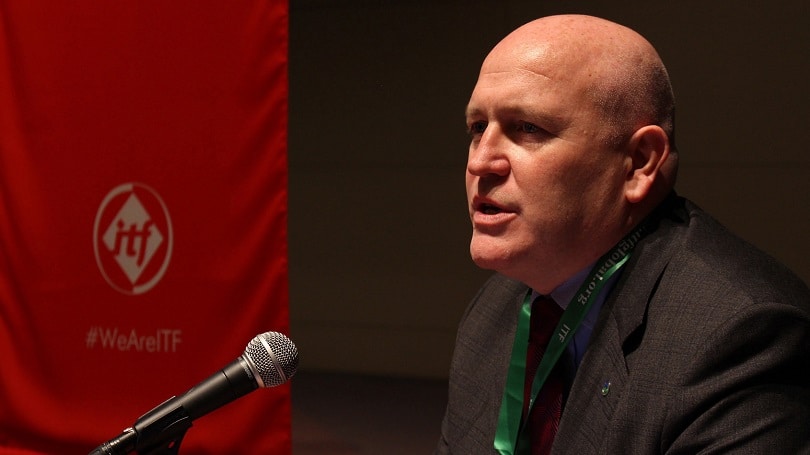
Frederick University will host a lecture by Stephen Cotton, the General Secretary of the International Transport Workers Federation (ITF), on March 28, from 6.15-7.45pm, at the University’s Limassol campus. The lecture will focus on the ITF’s mission to protect the rights of transport workers worldwide and the importance of the global labour movement to the world’s seafarers. The ITF is a global union federation representing over 18 million transport workers in 150 countries across various sectors including maritime, port, aviation, road, rail, and urban transport. The event is co-organised by the Department of Maritime Transport and Commerce and Department of Law, and is open to the public and stakeholders in the maritime industry. Stephen Cotton was elected as General Secretary of the ITF in 2014 and re-elected in 2018. He has led the ITF to become a proactive campaigning organisation and holds positions in other significant organizations, including the ITF Seafarers’ Trust and the United Seaman’s Service (USS) governing body. In 2021, he was appointed as a Member of the Board of the UN Global Compact and chaired the Council of Global Unions (CGU) between 2019 and 2023. He received the USS Admiral of the Ocean Sea (AOTOS) Award in 2014.

Russia warns Western banks of catastrophic consequences over asset confiscation

Russia warns Western banks of catastrophic consequences over asset confiscation

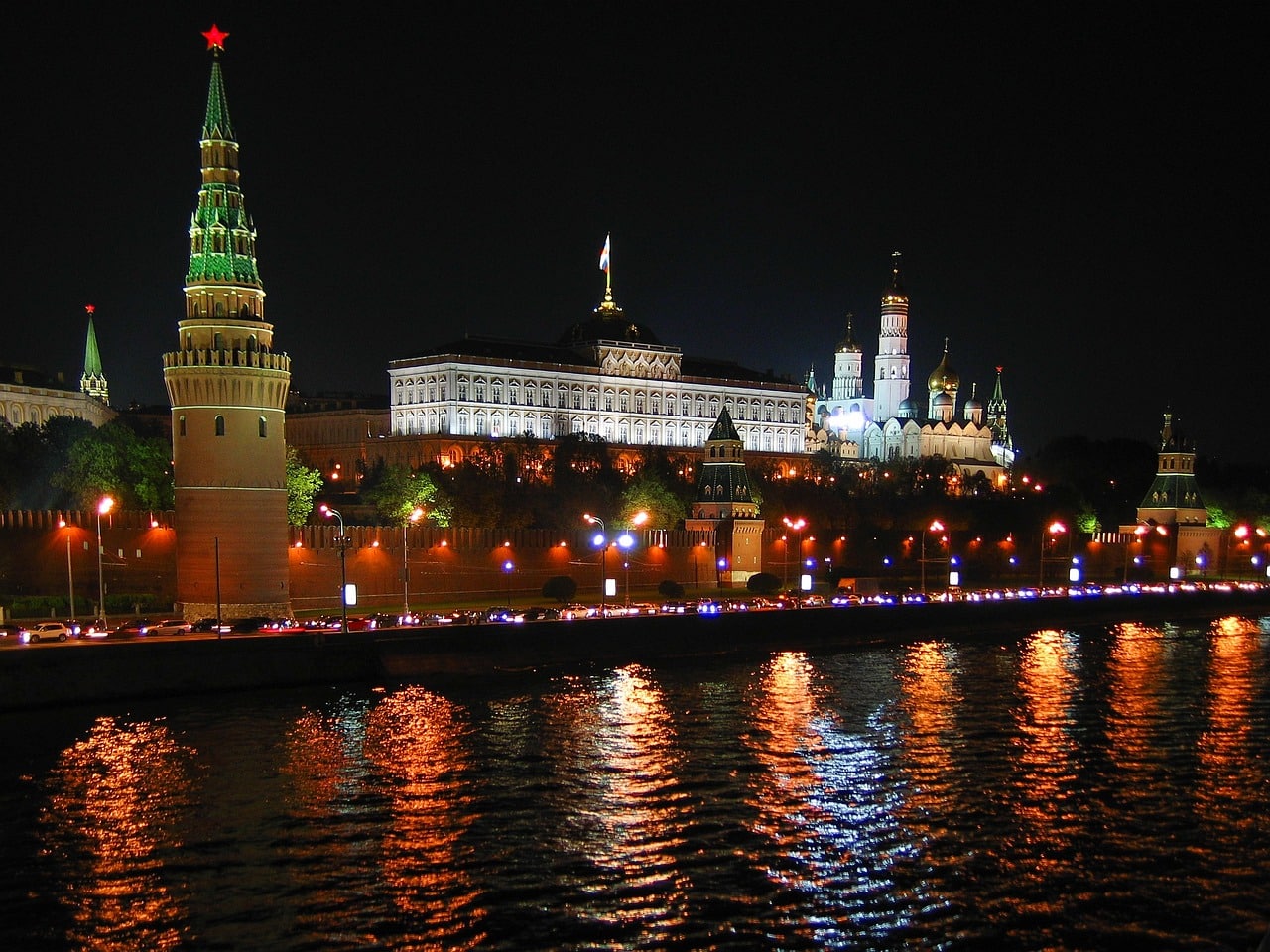
The Kremlin warned of “catastrophic consequences” if the EU proceeds with plans to confiscate Russian assets. Western banks are lobbying against EU proposals to redistribute billions of euros in interest earned on frozen Russian assets due to fears of costly litigation. EU leaders agreed to work on a plan to use up to 3 billion euros a year to supply arms to Ukraine, funded by the interest from these frozen assets. Kremlin spokesman Dmitry Peskov stated that the assets belong to their owners and warned of serious consequences for banks and the European economy if such expropriations occur.

Cyprus tourism should , ‘respect both visitors and resources’, tourism minister says

Cyprus tourism should , ‘respect both visitors and resources’, tourism minister says

Deputy Minister of Tourism Kostas Koumis emphasized that a sustainable destination respects both its visitors and its resources, both natural and human. He made this statement during his participation at the annual tourism conference organized by the Association of Cyprus Tourist Enterprises (Stek), which was held in Nicosia. The theme of this year’s event was ‘Tourism: New Realities Demand a More Competitive Model’. Koumis highlighted the importance of tourism to the economies of Cyprus and Greece, noting that tourism contributed 12.8 percent to the GDP of Cyprus this year. He mentioned the recognition of the value of tourism on a pan-European level after 2000, especially during the pandemic, and the discussions about creating a common tourism portfolio to address challenges faced by various destinations. Koumis also discussed the need to address reduced air connectivity during winter, the threat of climate change, and the issue of seasonality in Southern European countries’ tourism sector. He proposed initiatives for European citizens to visit destinations within the union during low-visitor months with European funds and mentioned collaboration with the Ministry of Labour to improve vocational training schemes. Koumis stressed the need to improve air connectivity, enhance Cyprus’ tourism product during winter, and the importance of digital transformation in the tourism industry. Myron Flouris, Secretary-General for Tourism Policy and Development at the Greek Ministry of Tourism, discussed the impact of natural disasters on Greece and the importance of planning and prevention for resilience in tourism. Alexandros Thanos, an advisor for the Greek Tourism Confederation, highlighted the significant contribution of tourism to Greece’s GDP and the imbalance in revenue levels among the country’s regions. Stek president Akis Vavlitis emphasized the strong influence of seasonality on Cypriot tourism and called for strategic planning and expedited procedures for the arrival of workers from third countries. The discussion also covered the risks of climate change for the tourism product of countries like Greece and Cyprus and the need for tourism businesses to focus on the human factor and offer authentic experiences.

Lidl unveils long-term strategy for sustainability in Cyprus

Lidl unveils long-term strategy for sustainability in Cyprus

Lidl Cyprus hosted an event at the Lidl Food Academy in Nicosia on March 21, 2024, focusing on its vision for a sustainable future. The event was attended by the Minister of Energy, Trade and Industry, Giorgos Papanastasiou, among other representatives, partners, and media members. Martin Brandenburger, the Board Chairman of Lidl Cyprus, announced the company’s strategic plan for the development and sustainability of the Cypriot economy, society, and environment. The plan includes opening new stores and investing over 30 million euros in the store and warehouse network over the next three years. A socio-economic impact report for the financial year 2022-2023 was presented, highlighting the company’s contributions to the economy and society. Lidl Cyprus has implemented a permanent price reduction policy of up to 37% on over 380 private label products and was recognized as the “No.1 company in Cyprus with the best value for money for the year 2023/2024” at the Best Buy Awards. The company’s sustainability strategy and its support for the local community were also discussed. Vasiliki Adamidou, Director of Communication and Corporate Responsibility, emphasized Lidl Cyprus’s commitment to sustainability and corporate social responsibility. Lidl Cyprus has been active in Cyprus for almost 15 years, focusing on creating a better future for people and the planet.

Western banks warn of risks in EU plan to grab Russian assets, sources say

Western banks warn of risks in EU plan to grab Russian assets, sources say

Western banks are lobbying against EU proposals to redistribute billions of euros in interest earned on frozen Russian assets due to fears of costly litigation. EU leaders have agreed to work on a plan to use up to 3 billion euros a year to supply arms to Ukraine, funded by the interest from these assets. Banks are concerned about potential liability from Russia, the erosion of trust in the western banking system, and the legal implications of transferring money to Ukraine. Euroclear holds 190 billion euros of Russian central bank securities and cash, and more than 3.5 million Russians have frozen assets abroad worth around 1.5 trillion roubles. The EU plan includes paying a fee to Euroclear and allowing it to retain 10% of the profits as a safeguard against litigation. Ninety percent of the seized cash would be used to buy arms for Ukraine, with the rest for recovery and reconstruction. The proposal has raised concerns about the legal risks for banks and the potential for prolonged international legal disputes.

Norway keeps interest rate on hold, eyes September cut

Norway keeps interest rate on hold, eyes September cut

Norway’s central bank maintained its benchmark interest rate at 4.50 percent, a 16-year high, and signaled a plan for a single rate cut within the year, which is fewer than most economists anticipated. Governor Ida Wolden Bache indicated a likely rate cut in autumn, possibly in September, with a potential second reduction by the end of March 2025. Following the announcement, the Norwegian crown strengthened against the euro. The forward rate curve for 2024 to 2026 remained largely unchanged, with an expected rate of 4.25 percent at the end of the current year. Norges Bank raised its forecast for economic growth, predicting mainland GDP growth in 2024 of 0.5 percent, up from a 0.1 percent expansion seen previously, with a 2025 estimate maintained at 1.2 percent. It expects core consumer prices to rise by 4.1 percent this year, less than the 4.8 percent previously seen. Core inflation was at 4.9 percent year-on-year in February, above the central bank’s goal of 2.0 percent.

BoE must cut rates at next meeting, says deVere CEO

BoE must cut rates at next meeting, says deVere CEO

The Bank of England left interest rates unchanged at 5.25%, a 16-year high, on Thursday. Critics and financial experts, including Nigel Green, CEO of the deVere Group, are calling for the central bank to reduce rates at their next opportunity to alleviate financial strains on businesses and households, enhance business profitability, make homeownership more accessible, boost consumer confidence and spending, and stimulate economic growth. Lower interest rates are also seen as beneficial for investors, as they tend to increase demand for risk assets like equities. Green argues that proactive rate cuts are essential to prevent economic downturns and mitigate recession risks, despite concerns that such actions could fuel inflation. He emphasizes that the Bank of England has the tools and expertise to manage inflation effectively while supporting growth through rate adjustments.