Electricity cable from Turkey , ‘will mark a new era’
Electricity cable from Turkey , ‘will mark a new era’

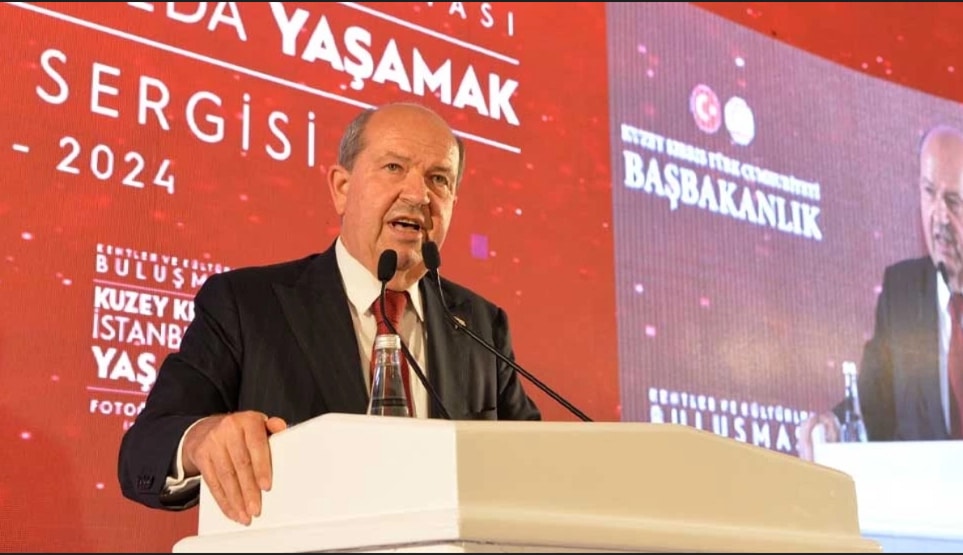
The construction of an electricity cable between Turkey and the north is seen as marking a new era, according to Turkish Cypriot Leader Ersin Tatar. This statement was made after an Iftar meal in Istanbul, attended by various dignitaries including Turkey’s Vice President Cevdet Yilmaz and Turkey’s ambassador in Nicosia Metin Feyzioglu. Tatar highlighted the support from Turkey in bringing big ideas to life in the north, such as the completion of a water pipeline in 2020 and investments in infrastructure and communication. He emphasized the ongoing efforts to make the TRNC worthy for future generations and stated that Turkish Cypriots remain an integral part of Turkey. Yilmaz spoke of the historical ties between Turkish Cypriots and Turkey and mentioned the celebration of the 50th anniversary of the Cyprus peace operation. He also referred to the construction of a new ‘presidential’ palace and ‘parliament’ building in Ayios Dhometios, expected to be completed by November, and the commencement of feasibility studies for the planned electricity cable. Additionally, both Tatar and Yilmaz praised Murat Kurum for his contributions, particularly in the opening of Varosha. The local elections in Turkey are scheduled for March 31, with Kurum challenging the incumbent mayor Ekrem Imamoglu.


India ‘screwed up’: How the U.S. lobbied New Delhi to reverse laptop rules

India ‘screwed up’: How the U.S. lobbied New Delhi to reverse laptop rules

India reversed a laptop licensing policy after U.S. officials lobbied behind the scenes. The policy initially required companies like Apple, Dell, and HP to obtain licenses for all imported laptops, tablets, PCs, and servers, which raised concerns about potential sales slowdowns. However, India decided to only monitor imports and reassess the policy a year later. U.S. trade officials and government emails revealed concerns about India’s compliance with WTO obligations and the impact of sudden policy changes on the business climate. The U.S. Trade Representative Katherine Tai met with Indian Commerce Minister Piyush Goyal to discuss the policy, and India later admitted the policy’s sudden rollout was a mistake. The USTR is tracking India’s scrutiny of imported devices to ensure compliance with WTO obligations. India stated the policy reversal was not due to U.S. pressure but a realization that local manufacturing of laptops and tablets was not significant at this stage.

Private education: rushing to meet growing demand

Private education: rushing to meet growing demand

English language schools in Cyprus are experiencing significant growth due to the influx of foreign companies and the arrival of families from regions experiencing conflict, such as Israel and Ukraine. This surge in demand has led to expansions and new school openings across the island, particularly in Limassol, which has seen a notable increase in students due to the Russian presence prior to the Ukrainian conflict. Both local and international families are seeking high-quality education with English as the medium of instruction, influenced by factors such as Cyprus’s EU membership, remote work opportunities, and regional conflicts. However, this growth is challenged by regulations on class sizes, bureaucratic delays, and difficulties in recruiting staff and obtaining work permits for prospective employees. Despite these challenges, the commitment to education remains strong among Cypriot families, who are willing to make financial sacrifices for their children’s education, viewing it as a crucial investment.

Saudi Arabia plans $40 bln push into artificial intelligence

Saudi Arabia plans $40 bln push into artificial intelligence

Saudi Arabia’s government plans to establish a billion fund dedicated to investments in artificial intelligence, as reported by the New York Times. This initiative involves discussions between representatives of Saudi Arabia’s Public Investment Fund (PIF) and US venture capital firm Andreessen Horowitz, along with other financiers, about a potential partnership. The discussions have included the possibility of Andreessen Horowitz setting up an office in Riyadh and the roles it could play in the artificial intelligence fund. The fund is expected to start in the second half of 2024 and aims to support a variety of tech startups, including those focused on chip making and large-scale data centers. PIF’s governor, Yasir Al-Rumayyan, has promoted Saudi Arabia as a future hub for artificial intelligence, highlighting the country’s energy resources, funding capacity, and political will to support the development of artificial intelligence.