Federal budget hikes capital-gains tax on companies and wealthy individuals
The federal government is increasing capital gains taxes on wealthy individuals and companies to finance new spending on housing and other government priorities.
The text discusses economists’ expectations of tax increases in the federal budget announcement, with speculation that new taxes may target corporations and the wealthy. Lindsay Tedds, an economist at the University of Calgary, mentioned the need for revenue to bridge spending gaps. Finance Minister Chrystia Freeland confirmed that Canada’s deficit won’t increase in the upcoming budget. There is concern in the business community about potential windfall taxes on the oil and gas sector and grocery chains. The federal government has not revealed its strategy, but there is speculation about possible tax increases.
JPMorgan Chase’s profit rose 6% in the first quarter, but its shares dropped due to the bank’s forecast for its income from interest payments coming in below analysts’ expectations.
The EURUSD fell to a near five-month low around 1.0660 due to speculation that the European Central Bank will begin reducing interest rates from the June meeting.
Greek supermarket chain Sklavenitis and Cypriot rival Papantoniou are in discussions for a potential deal that could impact the Cypriot retail market. Sklavenitis entered the market in 2017 and currently has 18 stores with approximately 1,500 employees. Papantoniou operates nine supermarkets in Cyprus.
German Finance Minister Christian Lindner evaded questions about his party leaving the ruling coalition over tough budget talks, stating that compromise has always been reached. Lindner’s comments and low poll ratings have led to speculation about the FDP’s stance on debt-funded public spending. The government is working on the budget for 2025 and the financial plan up to 2028. Lindner aims to achieve an economic turnaround and present a good budget. He presented an idea to free up more funds in budget negotiations by increasing defense spending if debt levels decrease by 2028. Lindner believes it is possible to reach a solution within the current coalition despite challenges.
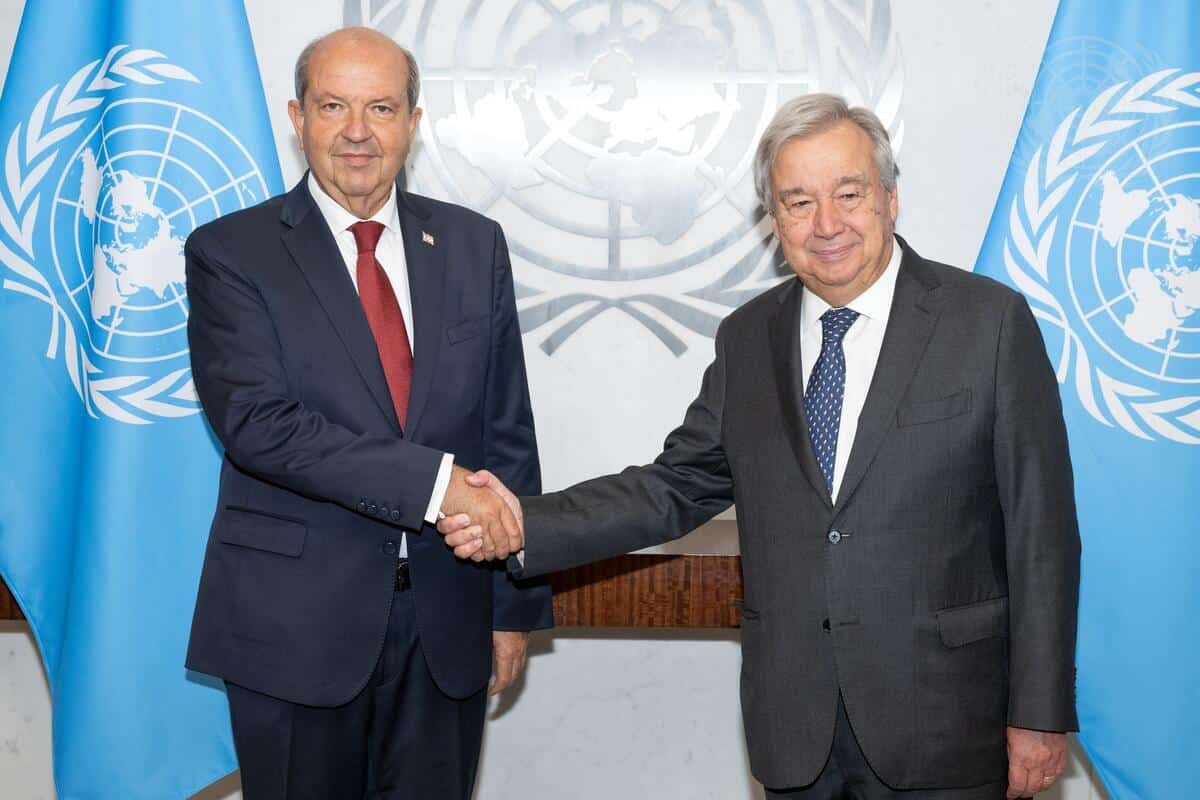
Turkish Cypriot leader Ersin Tatar rubbished reports that he will be forced to accept UN Secretary General Antonio Guterres’ proposals during their upcoming meeting in New York. Reports in Greek Cypriot media suggesting that he will have to accept proposals made to President Nikos Christodoulides are mere speculation and not based on reality.
The Yen was losing momentum near EURJPY 162.75 during European trading on Tuesday, amid speculation that the Bank of Japan might intervene to support the Japanese currency.
Effective today, the reduced tax rate on fuel in Cyprus has expired, leading to an increase in retail fuel prices. This change coincides with the implementation of green taxation, which is expected to further raise costs. The middle class is predicted to be the most affected, but the idea that those on public assistance will be shielded from the impact is misleading. Comparisons with other countries are not valid due to differing infrastructure systems. Rising prices are a serious issue that must be confronted.
Ontario Minister of Finance Peter Bethlenfalvy tabled the province’s 2024 budget on Tuesday, March 26, 2024. The budget, titled “Building a Better Ontario,” includes investments in workers and key public services without raising taxes or fees. The province is investing in infrastructure to get more homes built faster and help keep costs down for families and businesses.