Greek economy surges after decade of pain
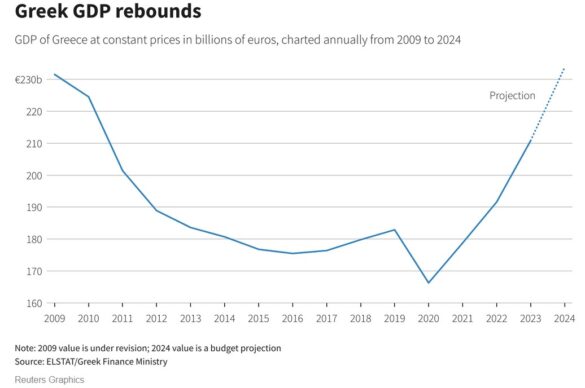
Fact: The Greek economy is forecast to grow nearly 3 per cent this year, approaching its pre-crisis size of 2009 and far outpacing the eurozone average of 0.8 per cent.
Fact: The Greek economy is forecast to grow nearly 3 per cent this year, approaching its pre-crisis size of 2009 and far outpacing the eurozone average of 0.8 per cent.
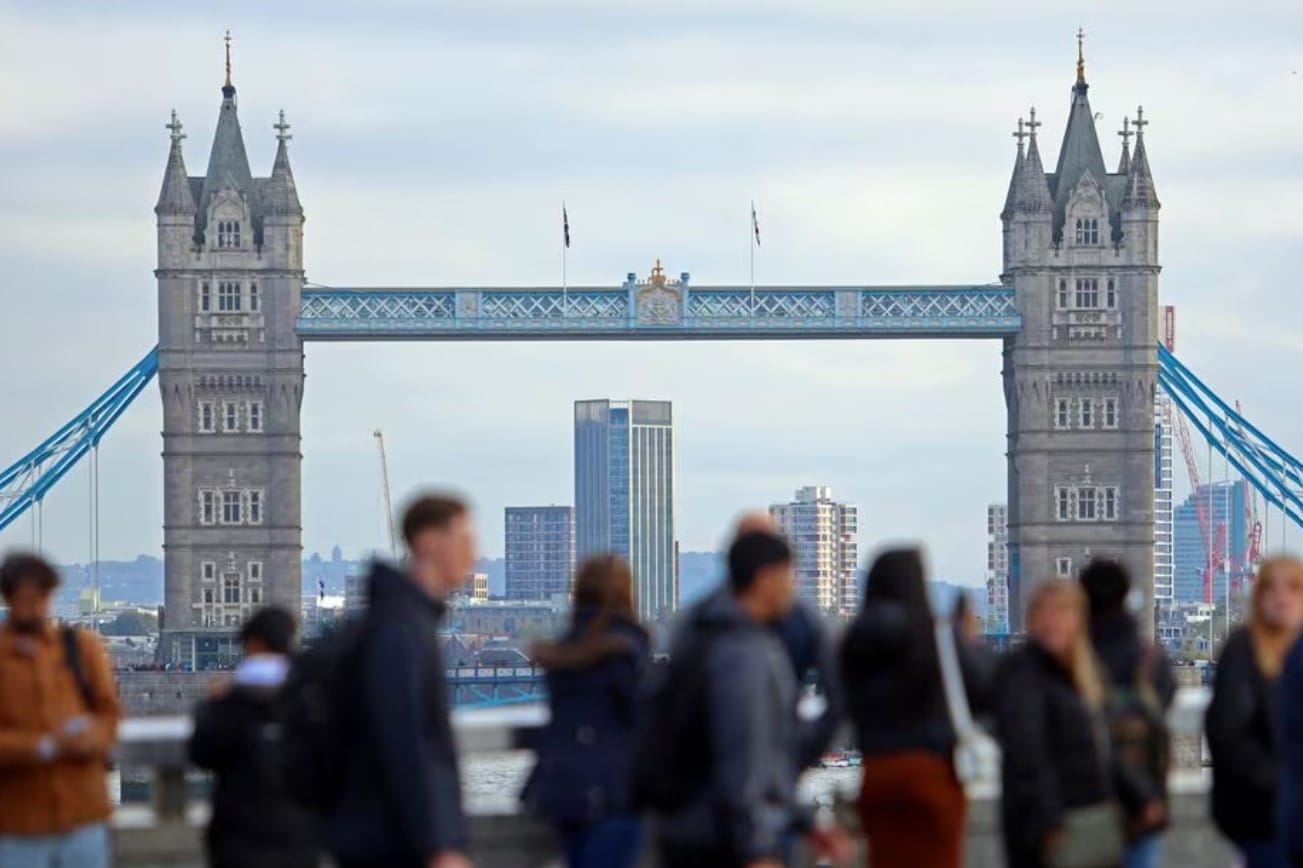
Fact: Britain’s economy is on course to exit a shallow recession after output grew for a second month in a row in February, with GDP expanding by 0.1 per cent in monthly terms.

– Some political parties are proposing to increase corporation tax, which is popular among some voters
– Corporate tax revenues are volatile, especially during tough business cycles
– Abolishing tax breaks is the easiest way to create sustainable funding for defense
– Increasing VAT and corporate tax by 1% is the simplest way to finance defense
– Lithuania has the lowest debt in the EU and should not be afraid to borrow for defense
– Germany and Estonia are making mistakes with their fiscal policies
– A strong counter-cyclical fiscal policy is needed in Europe
– Different proposals have been made to raise funds for defense, including revising tax rates and increasing corporate tax
– Opposition groups propose introducing a bank wealth tax, issuing defense bonds, and reducing the shadow economy
– Defense funding in Lithuania is currently at 2.75% of GDP, with a goal of reaching 3%
– The 4 Percent initiative aims to allocate 4% of GDP to defense and has support from businesses and organizations.

An early Easter boosted food spending in Britain last month, lifting retail sales by the most since August.

Florida’s tax on commercial leases is set to drop to 2% by June 1, two months earlier than expected, due to legislation signed by Governor Ron DeSantis.

Fact: Roughly a quarter of low-income consumers, defined as those making less than ,000 a year, said they were eating less fast food and about half said they were making fewer trips to fast-casual and full-service dining establishments.
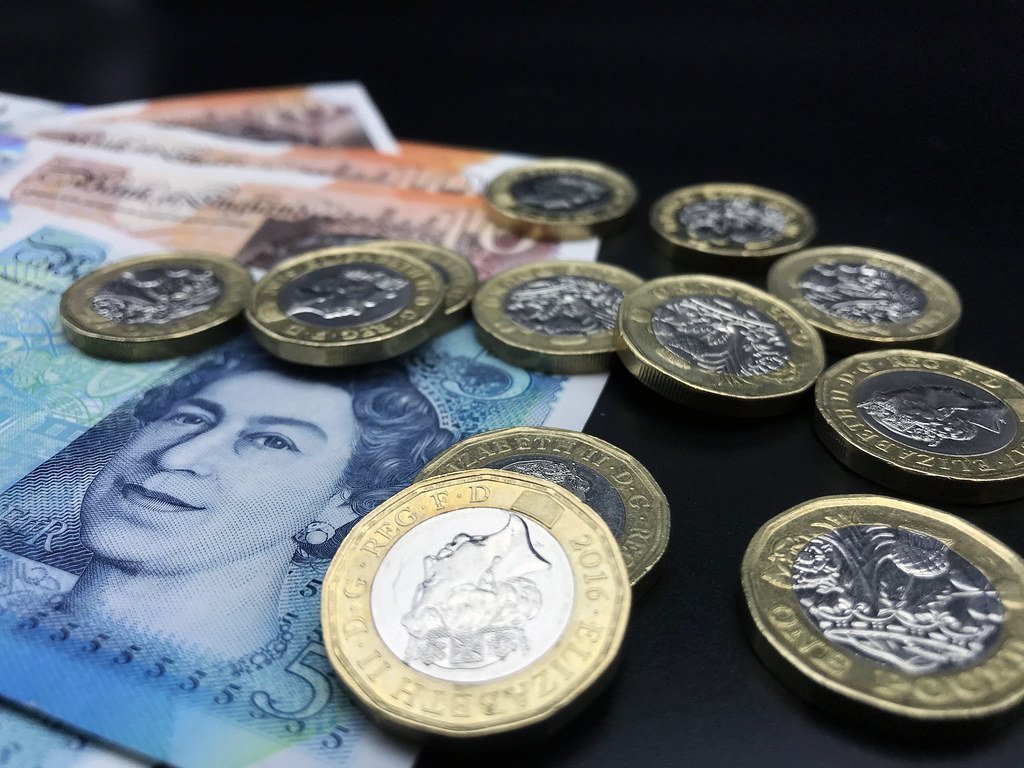
Britain’s economy entered a shallow recession last year, with GDP shrinking by 0.1% in the third quarter and 0.3% in the fourth. The economy is expected to grow by just 0.25% this year, with inflation moving towards the point where the Bank of England can start cutting rates. Household real disposable income grew by 0.7%, prompting consumers to potentially increase spending and support the economy. The current account deficit in the fourth quarter was 21.18 billion pounds, equivalent to 3.1% of GDP.

The pound eased after data confirmed the UK economy entered recession in the second half of last year.