Technocratic level talks continue on EU-Turkey relations

Technocratic level talks continue on EU-Turkey relations

– Consultations at a technocratic level with Germany regarding a possible reference text on EU-Turkish relations are underway, aiming for inclusion in the conclusions of an upcoming EU summit.
– President Nikos Christodoulides made these statements upon his arrival at the European Council.
– Christodoulides welcomed the inclusion of a reference to the Cypriot initiative for a maritime corridor to Gaza in the conclusions on the Middle East.
– He discussed specific next steps on the Cyprus issue with UN Secretary-General, António Guterres, expressing hope for developments by April towards resuming talks.
– Ongoing discussions follow Germany’s proposal to include a paragraph on EU-Turkey relations in the summit conclusions.
– Christodoulides had meetings with the Chancellor of Germany and the President of the Council, followed by consultations at a technocratic level.
– He emphasized the importance of positive developments in EU-Turkish relations that also involve Cyprus, advocating for a step-by-step approach with an enhanced role for the European Union.
– Other member states, including France, have shown interest in the consultations regarding EU-Turkey relations and Cyprus.
– The Cypriot initiative for a humanitarian corridor to Gaza was praised by all heads of states at the European Council, highlighting Cyprus’s role in the region.
– Christodoulides had a productive meeting with the UN Secretary-General, discussing the next steps on the Cyprus issue and hoping for developments within April.
– He expressed satisfaction with the European Council’s conclusions on security and defence, including the announcement of appointing a Commissioner for Defence in case of the current President of the Commission’s re-election, emphasizing the importance of advancing in defence and security matters for the EU’s strategic autonomy.
Irish Prime Minister Leo Varadkar unexpectedly quits

Irish Prime Minister Leo Varadkar unexpectedly quits

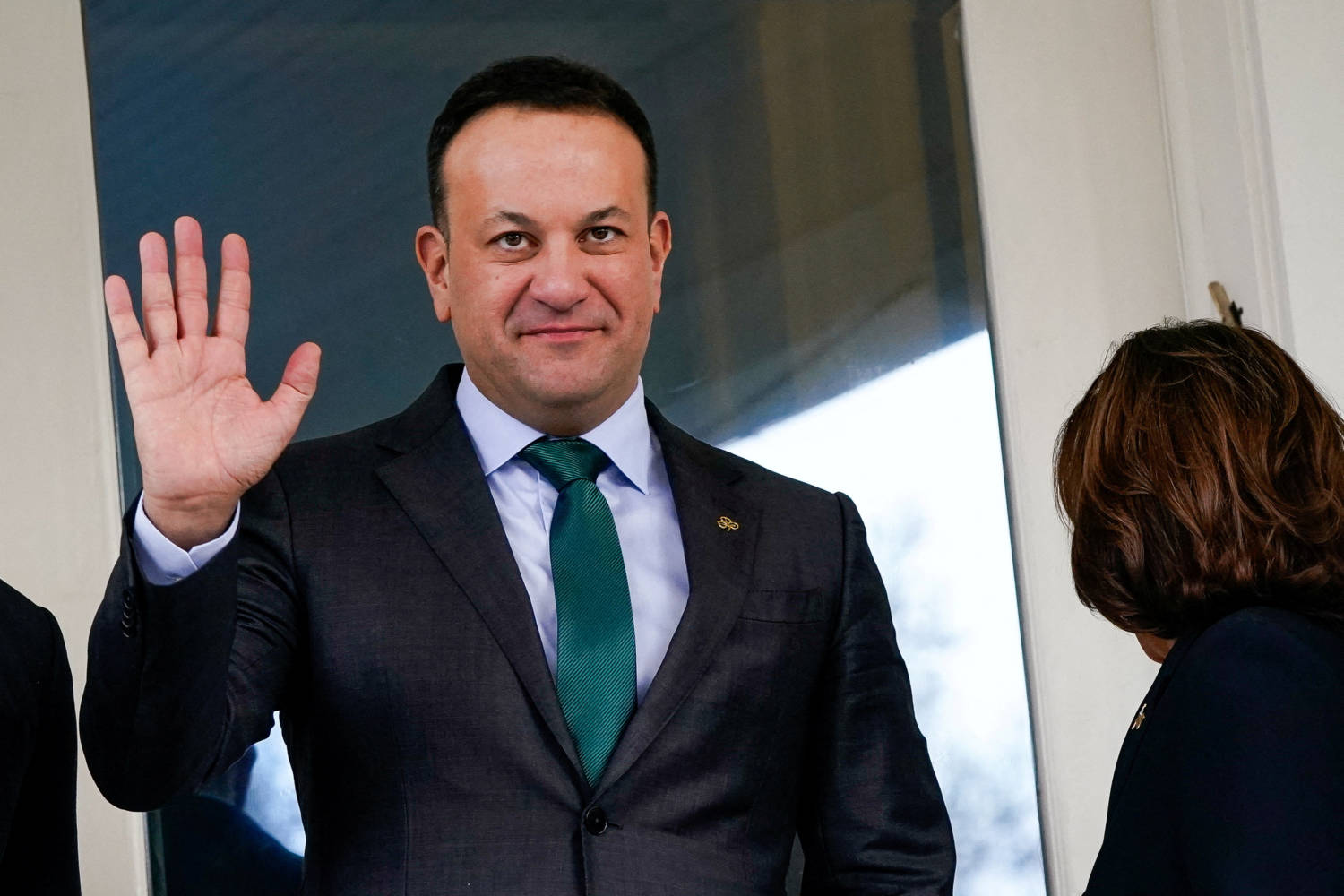
Leo Varadkar announced he would step down as Ireland’s prime minister, believing a new leader would increase the coalition government’s chances of reelection. He has asked his Fine Gael party to elect a new leader by April 6, after which parliament will vote on the new prime minister post-Easter. Varadkar, who became the first gay prime minister of Ireland in 2017 and resumed office 15 months ago, cited personal and political reasons for his resignation. His departure does not trigger a general election, which must occur by March 2025. The main opposition, Sinn Fein, currently leads in polls over Fine Gael and their main coalition partner, Fianna Fail. Potential successors include Simon Harris, Simon Coveney, Paschal Donohoe, and Helen McEntee. Varadkar’s government has seen economic recovery post-COVID-19 but faced challenges with housing and asylum seeker pressures. Ireland lifted its abortion ban and legalized same-sex marriage during his tenure. Varadkar has no immediate personal or political plans following his resignation.

Musk defends his ketamine use as beneficial for investors

Musk defends his ketamine use as beneficial for investors

Elon Musk stated in a video interview that his ketamine prescription has been beneficial for Tesla’s investors, as it helps him manage a condition similar to depression. He mentioned that from Wall Street’s perspective, execution is what matters and argued that Tesla’s valuation is as much as the rest of the car industry combined. A Wall Street Journal investigation had previously reported Musk’s use of drugs, raising concerns about potential violations of federal policies that could affect SpaceX’s government contracts. Musk responded to these concerns by stating he agreed to three years of random drug testing by NASA, with no trace quantities of drugs or alcohol found. He confirmed having a doctor’s prescription for ketamine, taking a small amount every other week.

China congratulates Putin on election win, says ties will strengthen

China congratulates Putin on election win, says ties will strengthen

China congratulated Vladimir Putin on his victory in Russia’s presidential election, with President Xi Jinping sending a message of congratulations. China stated that the strategic relationship between the two countries would continue to strengthen under the leadership of Xi and Putin. China and Russia, described as comprehensive strategic partners, have deepened their ties, especially in light of Western criticism over the war in Ukraine. The two nations declared a “no limits” partnership in February 2022. Meetings between Xi and Putin are planned for this year, coinciding with the 75th anniversary of the establishment of diplomatic relations between China and Russia.

Putin wins Russia election in landslide with no serious competition

Putin wins Russia election in landslide with no serious competition

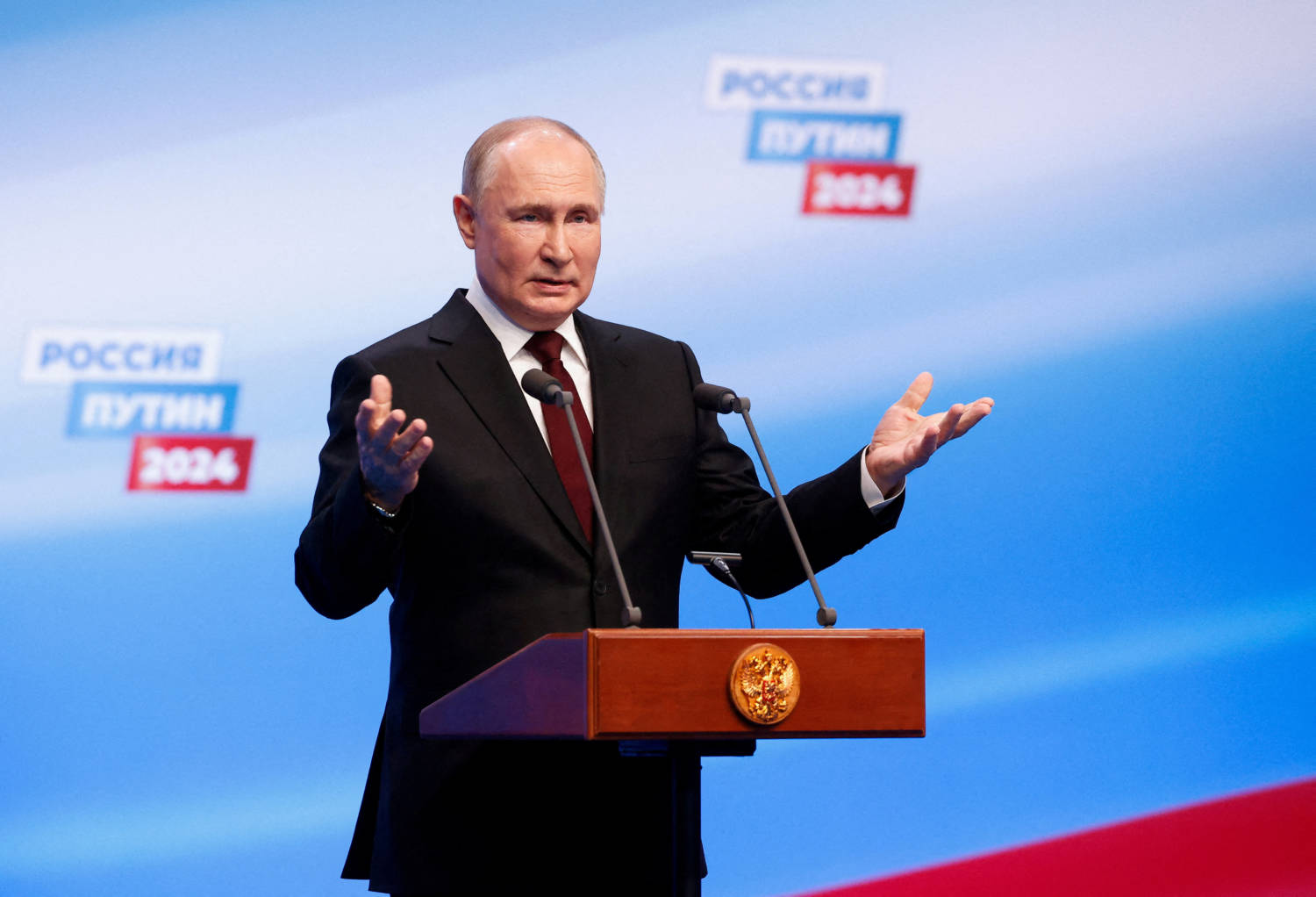
– President Vladimir Putin won Russia’s election with 87.8% of the vote according to an exit poll by the Public Opinion Foundation (FOM).
– Putin’s victory marks a record post-Soviet landslide and extends his power, potentially making him Russia’s longest-serving leader in over 200 years if he completes another six-year term.
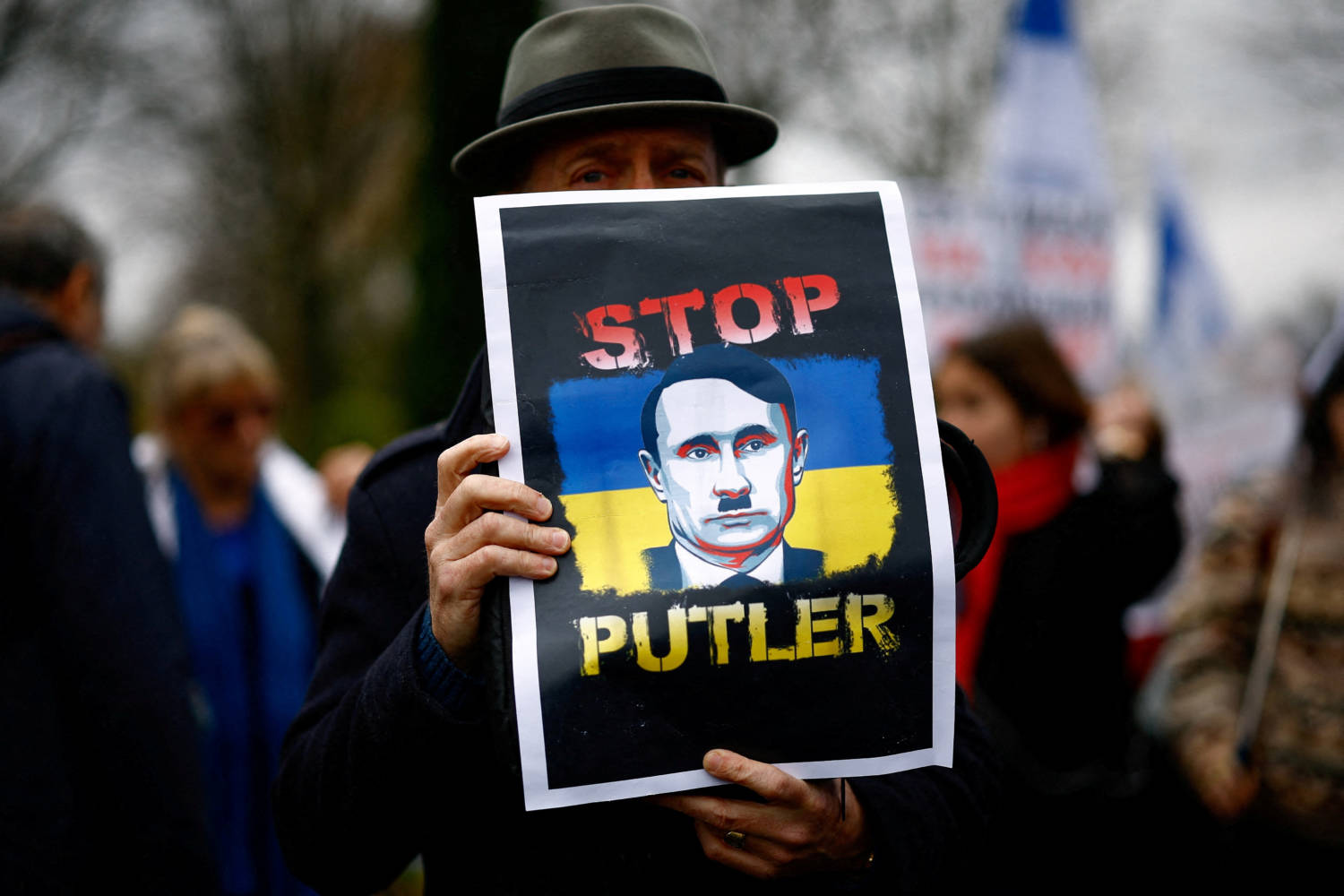
– The United States, Germany, the United Kingdom, and other nations have criticized the election as neither free nor fair, citing the imprisonment of political opponents and censorship.
– Communist candidate Nikolai Kharitonov finished second with just under 4% of the vote.
– Putin plans to prioritize Russia’s military operation in Ukraine and strengthen the Russian military.
– Thousands of opponents, inspired by the late opposition leader Alexei Navalny, protested against Putin at polling stations inside Russia and abroad.
– Putin regards Russia’s election as democratic and claims the protests had no effect on the election’s outcome.
– Nationwide turnout was reported at 74.22% at the close of polls.
– At least 74 people were arrested on Sunday across Russia for protesting, according to OVD-Info.
– Western countries view Putin as an autocrat, while Ukrainian President Volodymyr Zelenskiy deemed the vote illegitimate and accused Putin of wanting to rule indefinitely.
– Putin views the conflict with Ukraine as part of a historical struggle with the West, which he believes has encroached on Russia’s sphere of influence post-Cold War.

Thousands of Russians join Navalny-inspired ‘noon against Putin’ election protest

Thousands of Russians join Navalny-inspired ‘noon against Putin’ election protest

Thousands of people across Russia participated in a protest against President Vladimir Putin’s re-election, dubbed “noon against Putin,” by either spoiling their ballot paper or voting for one of the three candidates opposing Putin. The protest was inspired by the late opposition leader Alexei Navalny, who had endorsed the plan before his death. Navalny’s allies reported significant participation in the protest at various polling stations. Despite the protest, Putin was expected to secure a landslide victory. The Kremlin views Navalny’s political allies as extremists and claims Putin enjoys high approval ratings. The protest saw participation not only in Russia but also at Russian diplomatic missions abroad, with notable gatherings in Berlin and London.