Honey, I Shrunk The Tax Base: The Decline In Taxable Shareholders

Honey, I Shrunk The Tax Base: The Decline In Taxable Shareholders

The content discusses updated data from the Urban-Brookings Tax Policy Center showing a decreasing shareholder tax base and how it could affect tax policy. The percentage of taxable shareholders has dwindled over time, with implications for taxing dividends and capital income. Foreign investors, retirement accounts, and not-for-profit institutions are the largest groups of nontaxable shareholders. The article aims to address the issue of a shrinking tax base and provides transparency in methodology for readers to engage with the data. The implications of the decreasing shareholder tax base include the impact on corporate tax cuts benefiting foreign investors and the need to consider solutions like a withholding tax on corporate distributions to foreign investors.

Euro zone banks lower bar on mortgages but demand keeps falling , – ECB

Euro zone banks lower bar on mortgages but demand keeps falling , – ECB

Euro zone banks lowered the bar on mortgage approvals last quarter for the first time in over two years, but demand for credit kept falling amid high borrowing costs and a stagnant economy.

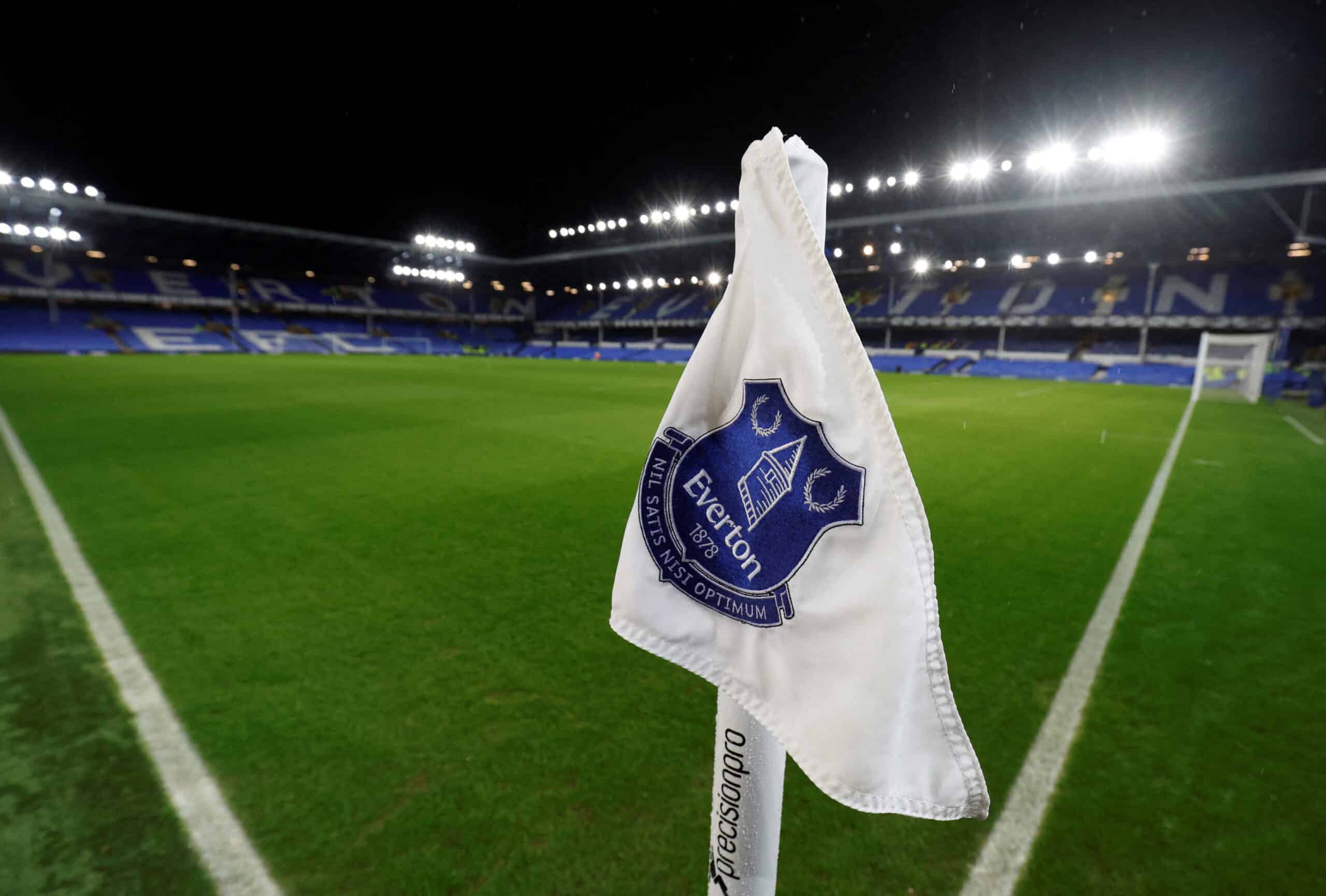
Everton docked two points for second financial breach

Everton docked two points for second financial breach

Everton were docked two more points by the Premier League, their second points deduction this season, for a breach of Profitability and Sustainability Rules (PSR). This leaves Everton in 16th place on 27 points, two above the relegation zone. Nottingham Forest were also penalized with four points deducted for breaking financial rules last season, putting them in the relegation zone.

Intel slides as foundry business loss spotlights wide gap with rival TSMC

Intel slides as foundry business loss spotlights wide gap with rival TSMC

Intel shares fell 5% as the company’s contract chip-making business reported operating losses of billion in 2023. Intel is investing billions to regain its position as a leading chipmaker, but it may take years to catch up with Taiwan Semiconductor Manufacturing Co. Intel plans to break even in its contract chip-making business by 2027 and expects a gross margin of 40% by 2030, still trailing TSMC’s 53% margin.