Chapter 8: Tax Fairness for Every Generation

Chapter 8: Tax Fairness for Every Generation

Canada is one of the wealthiest countries in the world. For generations, this has meant Canada is a place where everyone could secure a better future for themselves and their children. This is in no small part is due to our commitment to progressive taxation, investments in Canada’s strong social safety net, and an effective, … Read more

TAX DAY REMINDER: Rep. Jen Kiggans (R-VA02) Is Determined To Hurt the Middle Class While Bailing Out Big Corporations and Billionaires

TAX DAY REMINDER: Rep. Jen Kiggans (R-VA02) Is Determined To Hurt the Middle Class While Bailing Out Big Corporations and Billionaires

Fact: Jen Kiggans and House Republicans are accused of planning to rig the tax code to benefit the well-off and well-connected at the expense of middle class families if they maintain the majority.

Opinion: Why do you pay higher taxes than Citibank? – New Jersey Globe

Opinion: Why do you pay higher taxes than Citibank? - New Jersey Globe

– Millions of Americans file their tax returns by April 15 as a civic responsibility
– Giant corporations like Nike and FedEx find ways to pay less in taxes despite earning record profits
– New Jersey is proposing to reverse a corporate tax cut for companies making over million in annual profits
– Many large corporations pay lower tax rates than the average household, with some even avoiding taxes entirely
– Corporations use tax avoidance strategies to hoard wealth for shareholders and executives
– New Jerseyans oppose the expiration of a Corporate Business Tax surcharge on profitable corporations to help pay for NJ Transit
– States need to challenge corporate tax avoidance and invest in core infrastructure
– Corporations prioritize maximizing profits over the public good through tax avoidance
– New Jersey legislators are urged to reinstate the full surtax on profitable mega corporations and close tax loopholes to ensure corporations pay their fair share in taxes.

Treasury Department proposes rule to charge excise tax on corporate stock repurchases – Financial Regulation News

Treasury Department proposes rule to charge excise tax on corporate stock repurchases - Financial Regulation News

The U.S. Department of the Treasury and IRS have proposed regulations on the stock buyback excise tax, which applies at a rate of one percent of the fair market value of stock repurchased by a covered corporation. This is part of the Inflation Reduction Act aimed at ensuring large corporations pay their fair share in taxes and reinvest profits in workers, growth, and innovation.

IRS Proposes Regs For Stock Repurchase Excise Tax

IRS Proposes Regs For Stock Repurchase Excise Tax

The Treasury Department and the IRS issued proposed rules providing guidance on the 1% excise tax on corporate stock buybacks under the Inflation Reduction Act. The tax applies to publicly traded domestic corporations and certain affiliates. The proposed regulations clarify how to calculate and pay the tax, including reporting on Form 720. The tax aims to ensure large corporations pay their fair share and improve tax fairness.

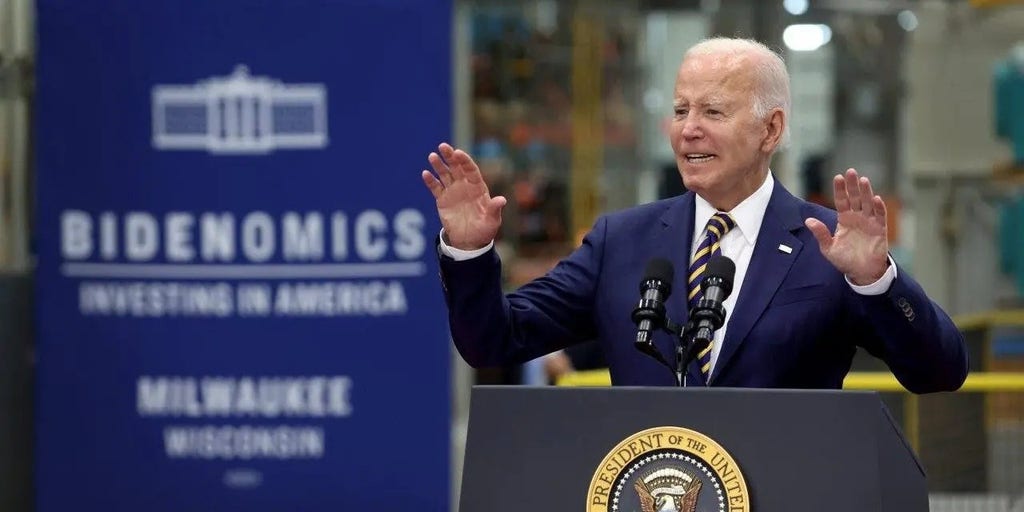
Biden’s tax-hike plan would cost the US economy nearly 800K jobs

Biden's tax-hike plan would cost the US economy nearly 800K jobs

President Biden has proposed tax hikes targeting corporations and wealthy Americans to reduce the national debt. The Tax Foundation found that these tax increases could reduce economic output by 2.2% in the long run, slash wages by 1.6%, and kill about 788,000 full-time equivalent jobs. Biden’s proposal includes a 25% minimum tax rate on households worth more than 0 million, raising the capital gains tax rate, quadrupling the corporate stock buyback tax to 4%, raising the corporate tax rate to 28%, increasing the Medicare tax paid by wealthy Americans, implementing a global minimum tax on multinational corporations, and closing the carried interest loophole used by private equity and hedge fund managers. The tax increases would reduce the federal deficit by about trillion and help fund new programs like a monthly tax credit for homeowners, child care subsidies, and lower prescription drug costs. The corporate income tax proposal is considered the most harmful to economic growth, with higher taxes on corporations alone potentially reducing GDP by 0.9%, wages by 0.8%, and full-time equivalent jobs by 192,000. The proposals are unlikely to gain support in Congress, especially from Republicans who control the House.