‘PV for all’ supporting China, not EU
‘PV for all’ supporting China, not EU

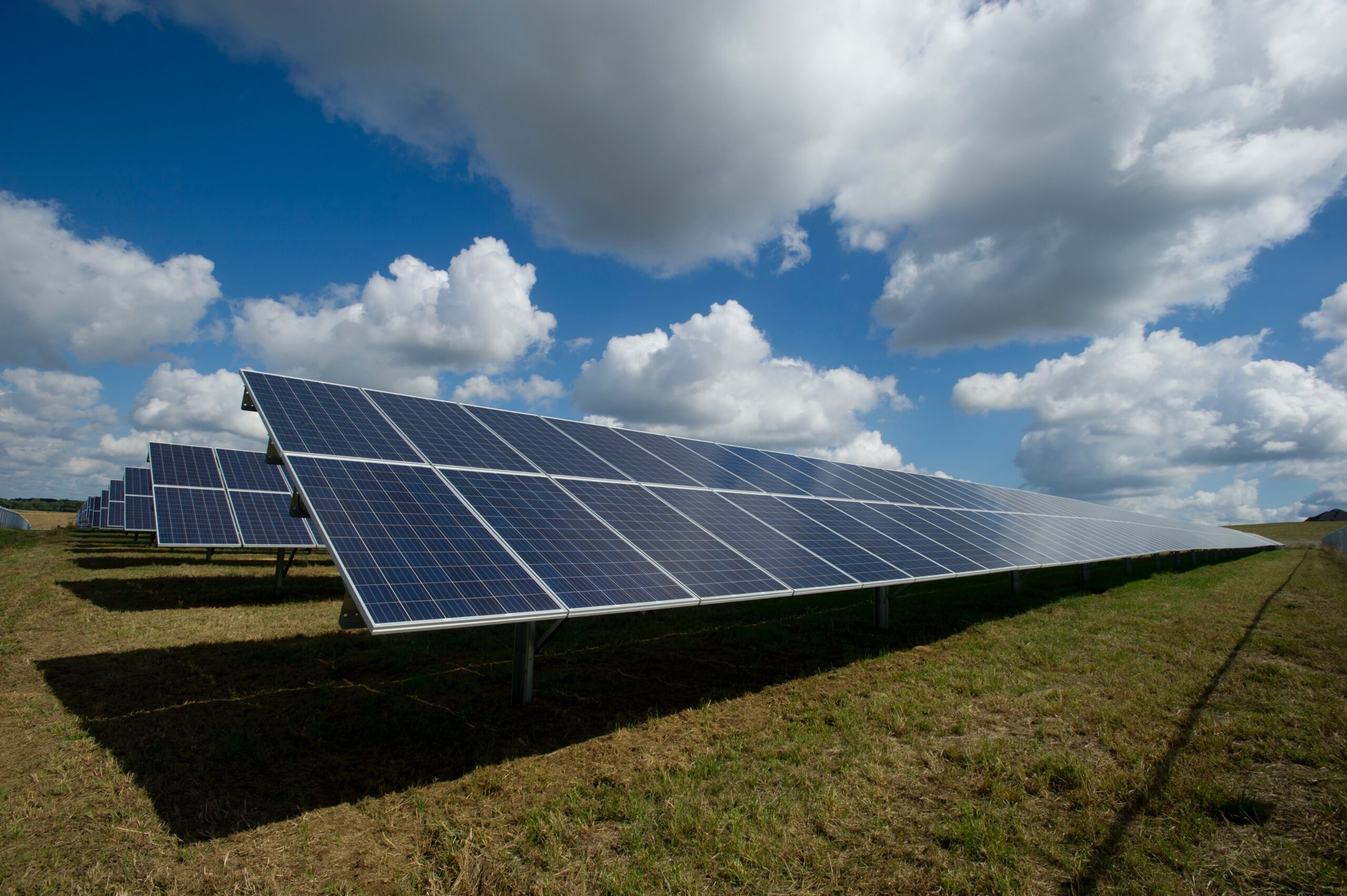
The Cyprus government’s ‘photovoltaics for all’ scheme, aimed at encouraging households to install solar energy panels to meet the EU’s climate-neutral target by 2050, has been criticized for favoring Chinese manufacturers. European solar manufacturers are considering laying off about 4,000 skilled workers due to competition from Chinese PV panel imports, which have flooded the market with cheaper options. The scheme offers no-deposit funding for up to 4kW of PV panels on 6,000 homes, primarily benefiting Chinese solar panel importers. These panels are considered to have inferior efficiency ratings and questionable durability compared to European variants, which often come with 30-year guarantees. The average cost of a kit is between 6,000 to 6,500 euros, with a grant of up to 5,000 euros provided, which is added to the consumer’s electricity bill as a no-interest loan over 4 to 5 years. There is an additional 1,500 euro grant available for those who can afford to invest directly in a PV system with their own money. However, the government is known for delayed payments to suppliers, leading some to prefer dealing directly with solar energy companies for the refund.
Police deny delays over monk scandal

Police deny delays over monk scandal

The police have been criticized for their handling of a scandal involving monks, with accusations of special treatment due to the church’s influence being denied by the police. Videos have surfaced showing a monk assaulting a woman and staging a fake miracle, but lawyers claim these videos are doctored and have criticized the police’s approach, suggesting evidence may have been tampered with. The police spokesman, Christos Andreou, stated that there is insufficient evidence for arrests and mentioned the possibility of issuing European arrest warrants to prevent implicated parties from fleeing the country. He confirmed that no police action would be taken until after a Holy Synod meeting, as agreed upon by the attorney general, police chief, and archbishop. Andreou also revealed that police leadership was unaware of officers in civilian clothes being present at the Osiou Avakoum monastery during an incident involving hooded individuals. This operation, ordered by Tamassos Bishop Isaias for transferring valuable items, unexpectedly included €800,000 in cash, which the police did not intervene to secure, leading to criticism from MPs. The presence of plainclothes officers and the far-right party leader, Christos Christou, at the scene has sparked further controversy. The involvement of the secret service has been rumored but not confirmed. The police have investigated the monastery multiple times but not the bishopric, and it is unclear when the money was taken into police custody for investigation.

‘Investigate church donations for money laundering’

‘Investigate church donations for money laundering’

The attorney-general’s office in Cyprus has appointed two investigators, Ninos Kekkos and George Papaioannou, to examine criminal offenses related to an ongoing scandal involving monks. MPs have urged the money laundering unit (Mokas) to investigate the church following revelations about monks paying for social media posts to increase cash flow. Justice Minister Marios Hartsiotis has committed to a thorough investigation of the scandal. Allegations have emerged involving the far-right Elam party leader Christos Christou, former police chief Kypros Michaelides, Mokas, and the police. Concerns were raised about €800,000 in cash found at the Osiou Avvakoum monastery and the handling of the money. MPs have suggested that the church might be involved in money laundering, citing donations from Russian oligarchs and Malaysian businessman Jho Low. The church’s financial dealings, including those with foreign donors, are under scrutiny, with calls for a more rigorous investigation into the source of the funds. There are also allegations of police misconduct in the handling of the money transfer operation related to the scandal.

Monastery implicated in environmental scandal

Monastery implicated in environmental scandal

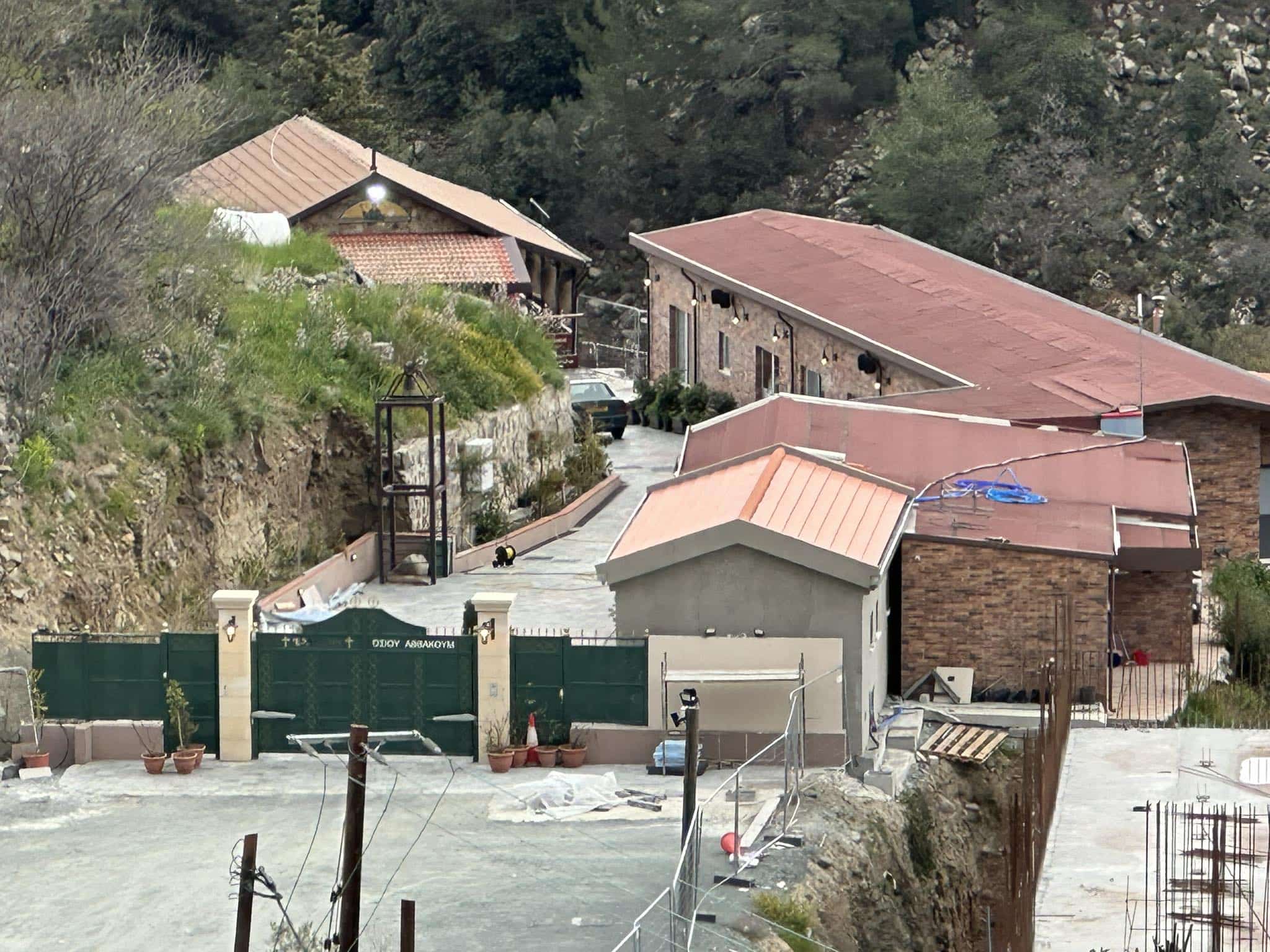
The Osiou Avakoum monastery was implicated in an environmental scandal for being built on land protected under the Natura 2000 environmental policy. Legal action has been taken against the monastery, the church committee, and Archimandrite Nektarios Georgiou for unauthorized constructions on the site. Investigations revealed illegal constructions and a lack of final approvals for various buildings. The monastery, constructed in 2020, is also under police investigation for claims of financial extortion.

Holguin to meet Disy leader

Holguin to meet Disy leader

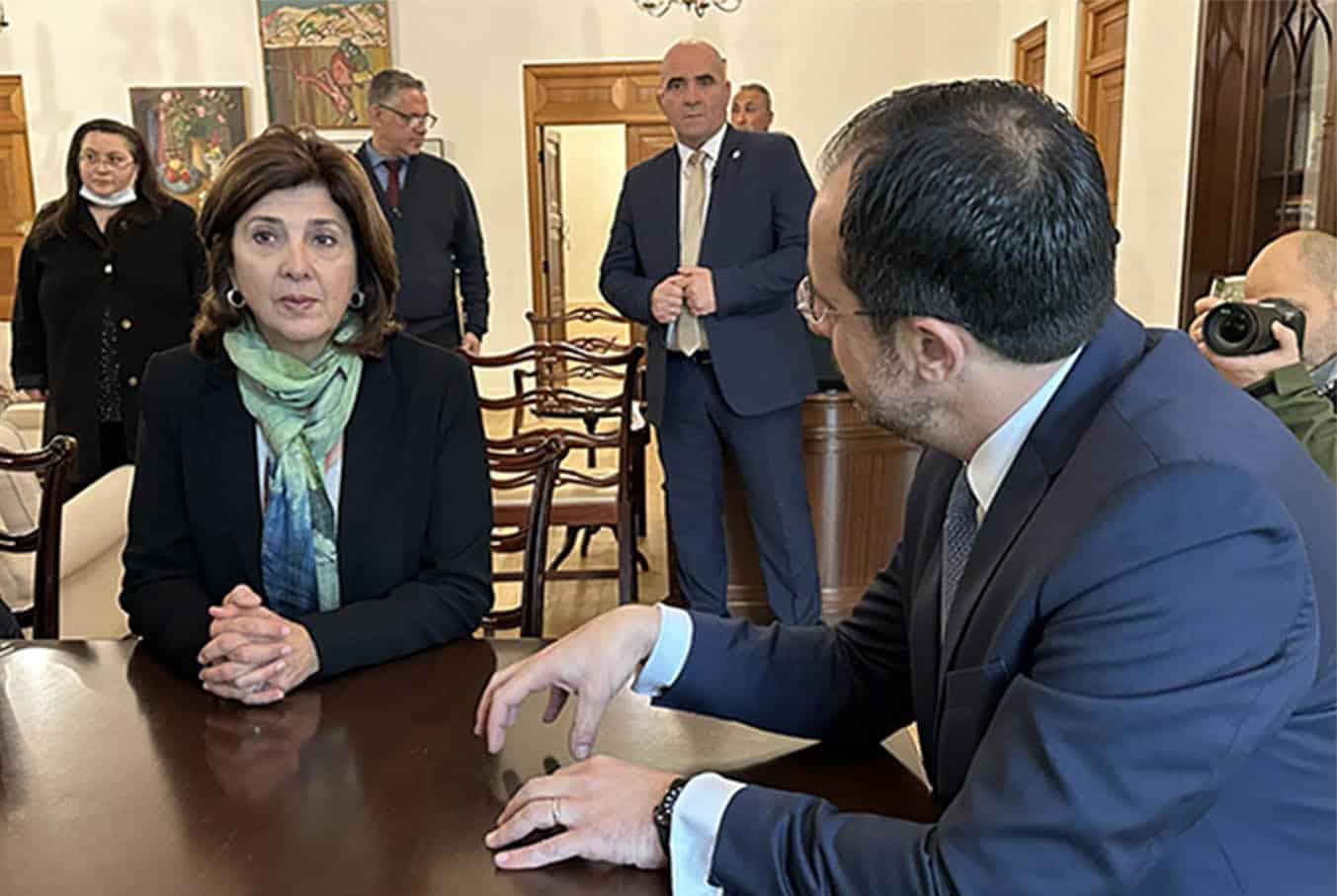
UN Secretary General’s personal envoy Maria Holguin is on her second visit to Cyprus, where she will continue her meetings. She is scheduled to meet with the head and members of the Cyprus Chamber of Commerce and Industry in Nicosia and with Disy party leader Annita Demetriou. President Nikos Christodoulides mentioned a forthcoming meeting with Holguin and expressed willingness to meet Turkish Cypriot leader Ersin Tatar in Holguin’s presence. Holguin was appointed by UN Secretary-General Antonio Guterres in January to explore restarting Cyprus talks and has met with the leaders of both communities and the guarantor powers.

EDEK demands investigation into ELAM leader’s role in Saint Habakkuk scandal

EDEK demands investigation into ELAM leader’s role in Saint Habakkuk scandal

EDEK has demanded decisive action from state authorities in response to the Saint Habakkuk Monastery scandal involving the ELAM party leader and the former Police Chief. They propose the following measures:
1. The Attorney General’s voluntary intervention and the appointment of independent criminal investigators to fully clarify the case, including potential criminal offenses.
2. Lifting the parliamentary immunity of the ELAM President to facilitate investigations into his involvement.
3. An expert investigation into the timing of the letter appointing the ELAM President as the throne commissioner of the Metropolitan.
4. Summoning the former Chief of Police to investigate his involvement in the scandal.

Where do we live?

Where do we live?

The text describes a situation involving the Monastery of Saint Habakkuk, where revelations have come to light, likened to “Sodom and Gomorrah.” The former Chief of Police and the President of ELAM were found at the Bishopric of Tamassos counting confiscated money from the Monastery. Despite the unusual nature of their presence, they responded naturally to journalists’ inquiries. The ELAM party leader claimed to be an observer on the throne committee, although his name was not officially recorded at the Bishopric. Another individual, not listed on the Metropolis website, claimed he was simply a friend of Isaiah and saw nothing wrong with the situation. Questions are raised about whether there will be an investigation beyond the ecclesiastical process and if there will be any accountability.