Russia, China veto US-led UN resolution on Gaza ceasefire

Russia, China veto US-led UN resolution on Gaza ceasefire

– The United Nations Security Council rejected a resolution for an immediate ceasefire in Gaza and an Israel-Hamas hostage deal due to vetoes from Russia and China.
– The resolution, proposed by the United States, aimed for a six-week ceasefire to protect civilians and allow humanitarian assistance.
– Eleven of the 15 council members supported the resolution, but it was blocked by the vetoes.
– An alternative resolution, drafted by elected members of the Security Council, calls for an immediate ceasefire during Ramadan, the release of all hostages, and expanded humanitarian assistance to Gaza.
– The U.S. had previously been averse to using the word “ceasefire” in resolutions during the war in Gaza but had toughened its stance.
– Russia and China vetoed the U.S.-led resolution, which the U.S. Ambassador to the U.N. criticized as being for “cynical” and “petty” reasons.
– Palestinian Hamas fighters killed 1,200 people and took 253 captive in an attack on Israel, according to Israel.
– Nearly 32,000 Palestinians have been killed in Israel’s offensive in Gaza, as reported by health authorities in the Hamas-ruled enclave.
– Russia criticized the U.S.-led resolution as “exceedingly politicized” and a potential green light for an Israeli military operation in Rafah.
– China supported an alternative resolution and criticized the U.S. proposal for not opposing an Israeli military operation in Rafah.
– French President Emmanuel Macron announced efforts to work with Jordan and the United Arab Emirates to persuade Russia and China to back another alternative resolution for a ceasefire in Gaza.
Farmers, ’ anger spreads in Europe, governments promise help

Farmers, ’ anger spreads in Europe, governments promise help

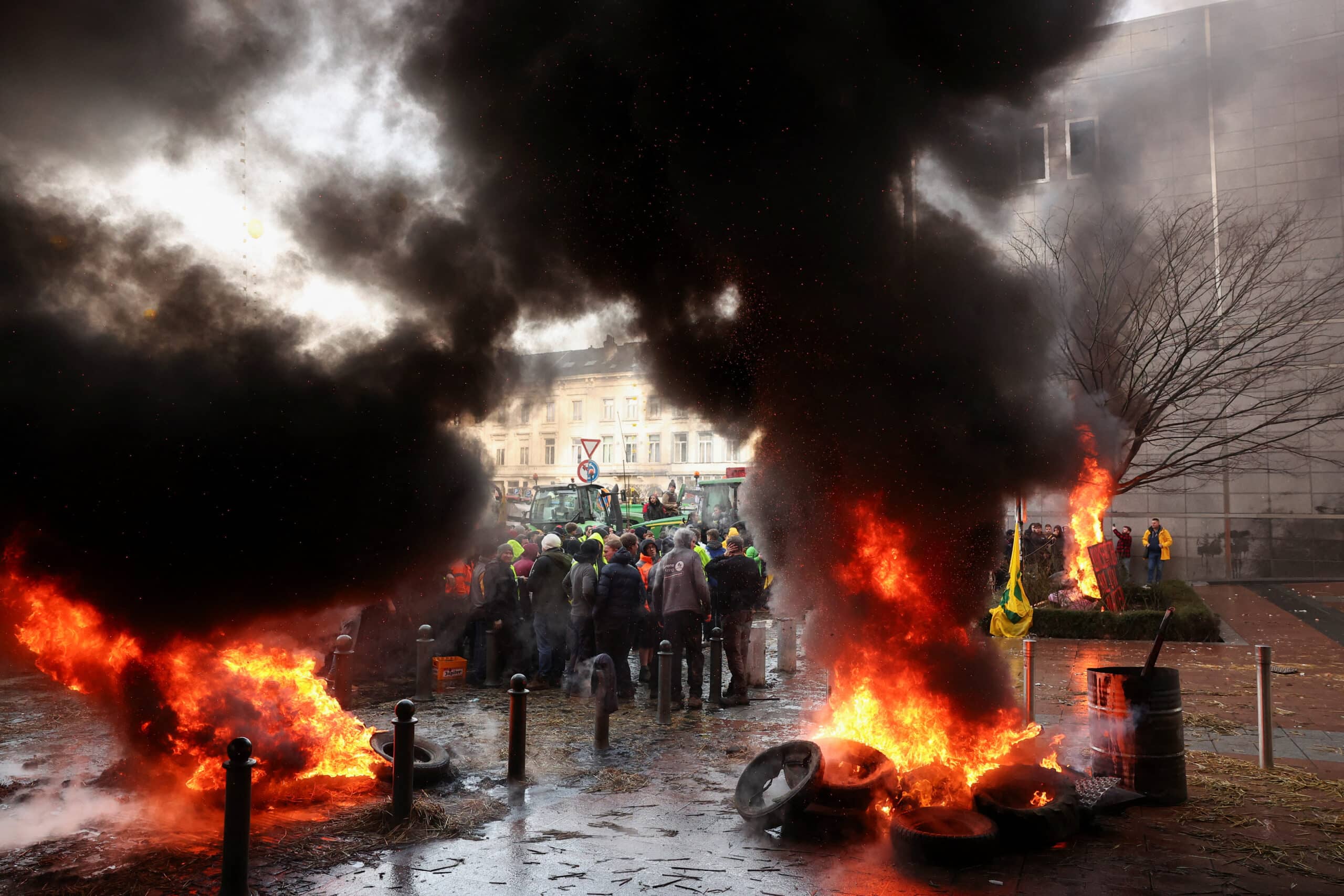
Farmers protested at the European Parliament in Brussels, demanding EU leaders address their concerns about taxes and rising costs. They threw eggs and stones, started fires, and set off fireworks. The protest included farmers from Italy, Spain, and other European countries and coincided with an EU summit. The farmers are also upset about green regulations and cheap imports. Protests were held in various European countries, including Portugal, Greece, and Germany, highlighting tensions over the EU’s climate change policies.

Spanish farmer Jose Maria Castilla, representing Asaja, criticized the European Commission’s regulations. French Prime Minister Gabriel Attal announced measures to support farmers, such as banning cheap imports of products using pesticides forbidden in Europe and ensuring clear labeling of imported food. The European Commission proposed limiting farm imports from Ukraine and relaxing some environmental rules.

The farmers’ crisis was not officially on the EU summit agenda, which focused on aid to Ukraine, but was expected to be discussed. Police used tear gas and water hoses against farmers trying to tear down barriers near the summit. Approximately 1,300 tractors blocked major roads in Brussels, and a statue was damaged. Protests also occurred in Portugal, France, and Greece, with slogans like “No farmers, no food, no future.” Belgian Prime Minister Alexander De Croo and Irish Prime Minister Leo Varadkar expressed the need to address farmers’ grievances, with Varadkar opposing a trade deal with Mercosur. Hungarian Prime Minister Viktor Orban met with farmers and emphasized the need for new leadership representing the people’s interests ahead of the European Parliament elections.