Uganda taxation: Is targeting small business the answer?

Uganda taxation: Is targeting small business the answer?

– Uganda has a fiscal deficit of 5.6 percent in 2023
– World Bank suspended funding to Uganda over anti-homosexuality law
– Traders in Kampala protested against high taxes and enforcement tactics
– Uganda has a narrow tax base, with tax collections totaling less than 14 percent of GDP
– Only 1 million Ugandans pay tax out of a population of almost 50 million
– Top 1,000 taxpayers contribute more than three-quarters of all tax revenue collections
– Uganda’s tax regime is less effective than many of its Sub-Saharan counterparts
– Tax regime is perceived as unfair by ordinary citizens
– Tax laws have elements of being progressive, particularly in personal income taxation
– Uganda faces challenges in raising sufficient funds for public services and economic development
– Reforms are needed in personal income tax rates, VAT threshold, presumptive tax thresholds, and business taxation
– Greater transparency in public spending and service delivery can improve taxpayer morale and compliance


First Covid, now heat: online schooling returns to the Philippines

First Covid, now heat: online schooling returns to the Philippines

Fact: Record heat in the Philippines this month has forced schools to send children home for online classes, reviving memories of Covid lockdowns and raising fears that more extreme weather in the years to come could deepen educational inequalities.

High share of overqualified workers, ICT sector thrives

High share of overqualified workers, ICT sector thrives

Cyprus is among the top countries in Europe in terms of the gross value added by the provision of services in the information and communication technology sector.

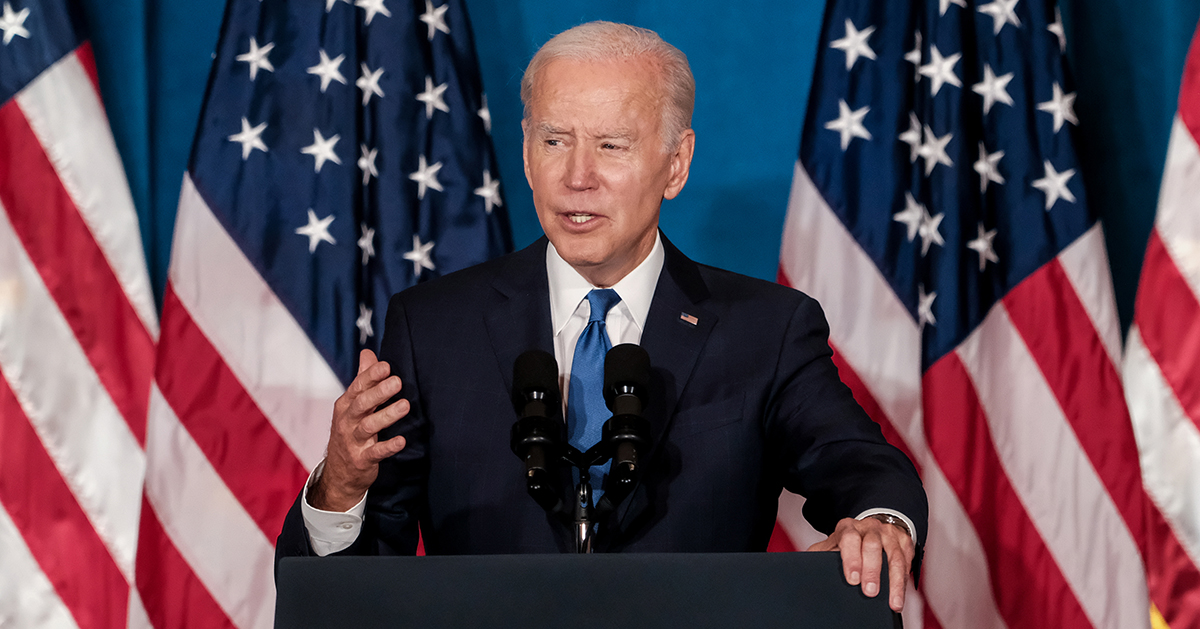
President Biden’s Budget Calls for Raising $4.3 Trillion in Revenues Over Ten Years — Here’s How

President Biden’s Budget Calls for Raising $4.3 Trillion in Revenues Over Ten Years — Here’s How

The Biden Administration released a budget proposal for the 2025 fiscal year that includes tax proposals generating .3 trillion over the next decade. The most significant proposals include increasing taxes on corporations and high-income taxpayers.

House extends funding for Okypy deficits

House extends funding for Okypy deficits

The House plenum approved extending government grants to cover Okypy’s deficits until May 31, 2025.

Innovative strategies: How London tech recruiters can attract Yii developers

Innovative strategies: How London tech recruiters can attract Yii developers

Fact: Businesses are increasingly relying on web applications and platforms to drive growth and innovation, leading to a higher demand for talented developers proficient in frameworks like Yii.

Cabinet approves extension to state health service funding

Cabinet approves extension to state health service funding

The Cabinet approved a bill granting a one-year extension to the state health services (Okypy) to address deficits. The bill will head to plenum on Thursday before its operations are suspended ahead of the upcoming elections.

Former Cyprus Airways CEO joins UK travel-tech firm

Former Cyprus Airways CEO joins UK travel-tech firm

Former Cyprus Airways CEO Paul Sies has joined travel-tech company Journey Mentor as president and chief executive officer.

Banks falling behind on messaging app scrutiny, survey finds

Banks falling behind on messaging app scrutiny, survey finds

Global financial companies are falling behind on monitoring and archiving business-related communications using personal messaging apps, potentially risking regulatory breaches and fines. The Annual Compliance Health Check by SteelEye found that 63% of compliance executives were not monitoring staff usage of WhatsApp for compliance purposes. US regulators have cracked down on business-related text messages over personal messaging platforms, leading to fines exceeding billion for compliance failures.

Combating market power through a graduated U.S. corporate income tax – Equitable Growth

Combating market power through a graduated U.S. corporate income tax - Equitable Growth

– Corporate taxpayers with billion in income would pay 21 percent on their first 0 million in income, 25 percent on 0 million of their income, and 30 percent on billion of their income, resulting in a total tax bill of 6 million and an average tax rate of 27.3 percent.
– Graduated rate of corporate taxation was a feature of the corporate tax until recently.
– Approximately 99.7 percent of corporate taxpayers fall below the thresholds of million in tax payments.
– 87 percent of tax payments are made by corporations above the million tax payment threshold.
– Companies with tax payments of more than 0 million generate about billion in additional tax revenue.
– Tax revenues would increase by about billion in 2019 with the proposed reform.
– The tax code can discourage market power by levying a higher tax on firms likely to exercise it.
– International tax cooperation can limit tax competition pressures and reduce profit-shifting incentives.
– Market power provides a rationale for reconsidering tax preferences for very-high-profit large companies.
– Graduated corporate tax brackets would be straightforward to administer, especially for large companies.
– Tax policy should distinguish the normal return to capital from the above-normal return to capital to improve efficiency and equity of capital taxation.