Trump’s new ‘deal’ could save Big Oil $110 billion in taxes

Trump's new ‘deal’ could save Big Oil $110 billion in taxes

Donald Trump allegedly offered Big Oil executives 0 billion in tax breaks if they donated billion to his campaign. Congressional Democrats are investigating this potential quid pro quo deal. Joe Biden plans to eliminate these tax breaks for the oil and gas industry if elected. The fossil fuel industry is lobbying to maintain these tax breaks, which are set to expire next year. Some attendees at Trump’s fundraising dinner at Mar-a-Lago included executives of smaller oil companies focused on fracking and gas exporting. The event was also attended by individuals with controversial backgrounds in the oil and gas industry.

Corporate tax not rising for compliant listed companies

Corporate tax not rising for compliant listed companies

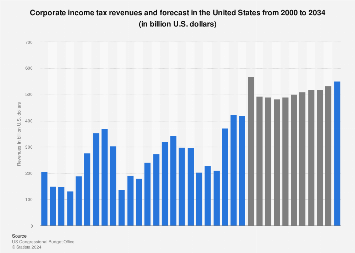
Tax rates for publicly-listed companies may remain unchanged in the upcoming fiscal year, with some changes in parlance that could affect the availing of lower tax rates. The base rate may see a rise for publicly listed companies, but compliance with cashless transactions could bring it back down to existing rates. Listed companies with free float up to 10% and above with cashless transactions would have tax rates of 20% and 22.5%. Noncompliance with the cashless transaction limit would result in higher tax rates. The government may also impose capital-gain taxes on individual investors for the first time if profits exceed Tk 4.0 million. The tax gap between listed and non-listed companies may be reduced by cutting corporate tax rates for non-listed companies by 2.5%. Capital-market experts believe that higher taxes and reducing the tax gap between listed and non-listed companies could discourage companies from entering the capital market. The government should focus on simplifying investment procedures rather than increasing taxes on the capital market.

California Gov. Newsom’s budget could cost businesses billions in higher taxes

California Gov. Newsom's budget could cost businesses billions in higher taxes

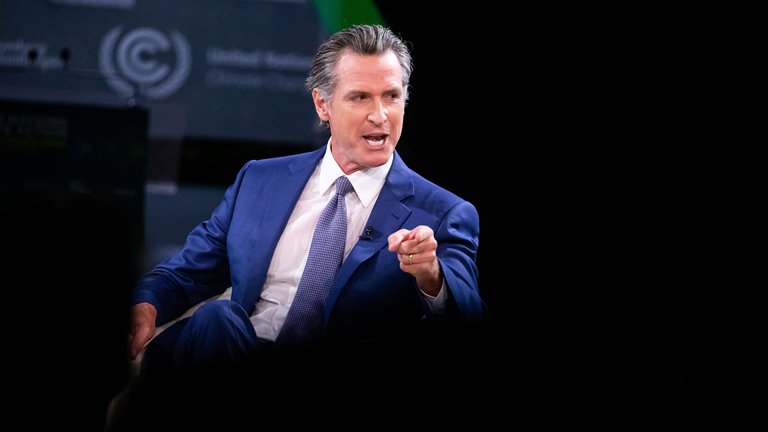
California Gov. Gavin Newsom’s budget proposal to address the state’s billion deficit does not include higher taxes on workers or businesses. Newsom’s plan includes indirect tax increases on businesses that could cost up to billion over the next four years, including banning businesses with annual revenue over million from deducting net operating losses and limiting business tax credits. Newsom also aims to reverse a ruling that could result in .3 billion in refunds for companies, nullifying the decision and applying it retroactively and prospectively. The proposal is part of Newsom’s efforts to address the state’s budget shortfall, which also includes deep spending cuts affecting immigration, education, and child care.

Headquarters Question: Where Could UBS Relocate?

Headquarters Question: Where Could UBS Relocate?

Fact: UBS currently pays around 18.5 percent on its profits in Switzerland, derived from a mixed calculation of cantonal rates, with Zurich at 19.61 percent and Basel-Stadt at 13.04 percent.

AI is set to take all the jobs – who will pay our taxes?

AI is set to take all the jobs – who will pay our taxes?

– Schindlers Attorneys is a prestigious South African law firm that has embraced AI technology to assist with legal preparation.
– The AI engine drafted submissions for a real court case in under 30 seconds, which were successful in court.
– The use of AI in highly skilled professions like law may lead to widespread employee replacement across various industries.
– The speed of AI development may lead to rapid displacement of human workers without enough time for retraining or reassignment.
– Employers are driven by profit and competition, leading them to replace humans with AI for increased efficiency.
– The potential mass unemployment due to AI advancements raises concerns about tax revenue and government funding.
– The formalization of national income tax may face challenges if there are fewer jobs for humans to generate tax revenue.

Federal Tax Authority releases much-anticipated free zone persons guide

Federal Tax Authority releases much-anticipated free zone persons guide

The Federal Tax Authority of the UAE has released a guide that improves users’ understanding of corporate tax on free zone businesses.

Tax refunds delayed by surge in fake submissions

Tax refunds delayed by surge in fake submissions

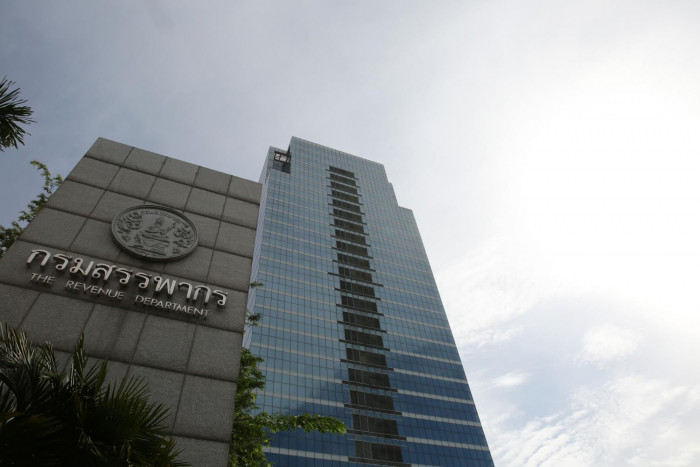
The Revenue Department collected 2.21 trillion baht in taxes in fiscal 2023, exceeding the target by 9% and surpassing the previous year’s figure by 2.1%.

Tax Matters – Four more days to seize Self Voluntary Declaration Programme opportunity

Tax Matters – Four more days to seize Self Voluntary Declaration Programme opportunity

The Self Voluntary Declaration Programme (SVDP) by the Inland Revenue Board (IRB) and the Royal Malaysian Customs Department (RMCD) is an amnesty programme that allows taxpayers to declare undeclared or underdeclared income without penalties. The programme ends on May 31. Taxpayers can participate for income tax, real property gains tax, stamp duty, sales and service tax, and goods and services tax purposes. All taxpayers, including individuals and corporate taxpayers, are encouraged to review their past declarations and declare any understatements to avoid future audits. The declaration must be complete and supported with proper documentation. If fraudulent, the IRB or RMCD may open a case for investigation.

Americans must pay higher taxes if they want to keep a high standard of living

Americans must pay higher taxes if they want to keep a high standard of living

The U.S. government faces fiscal challenges that will require higher taxes, regardless of the presidential election outcome. The federal deficit is projected to grow to 6% of GDP by 2033, and debt held by the public will increase to 114% of GDP. The 2017 Tax Cut and Jobs Act simplified and cut individual income taxes and lowered business taxes, with most individual tax cuts expiring in 2025. President Biden’s proposed budget includes repealing benefits for high-income families and raising taxes on the wealthy. If former President Trump is reelected, the TCJA is likely to be extended, costing at least .3 trillion through 2033. Trump has proposed tariffs on imports from China and lowering the federal corporate tax rate. These proposals could lead to a financial “train wreck” for the nation.