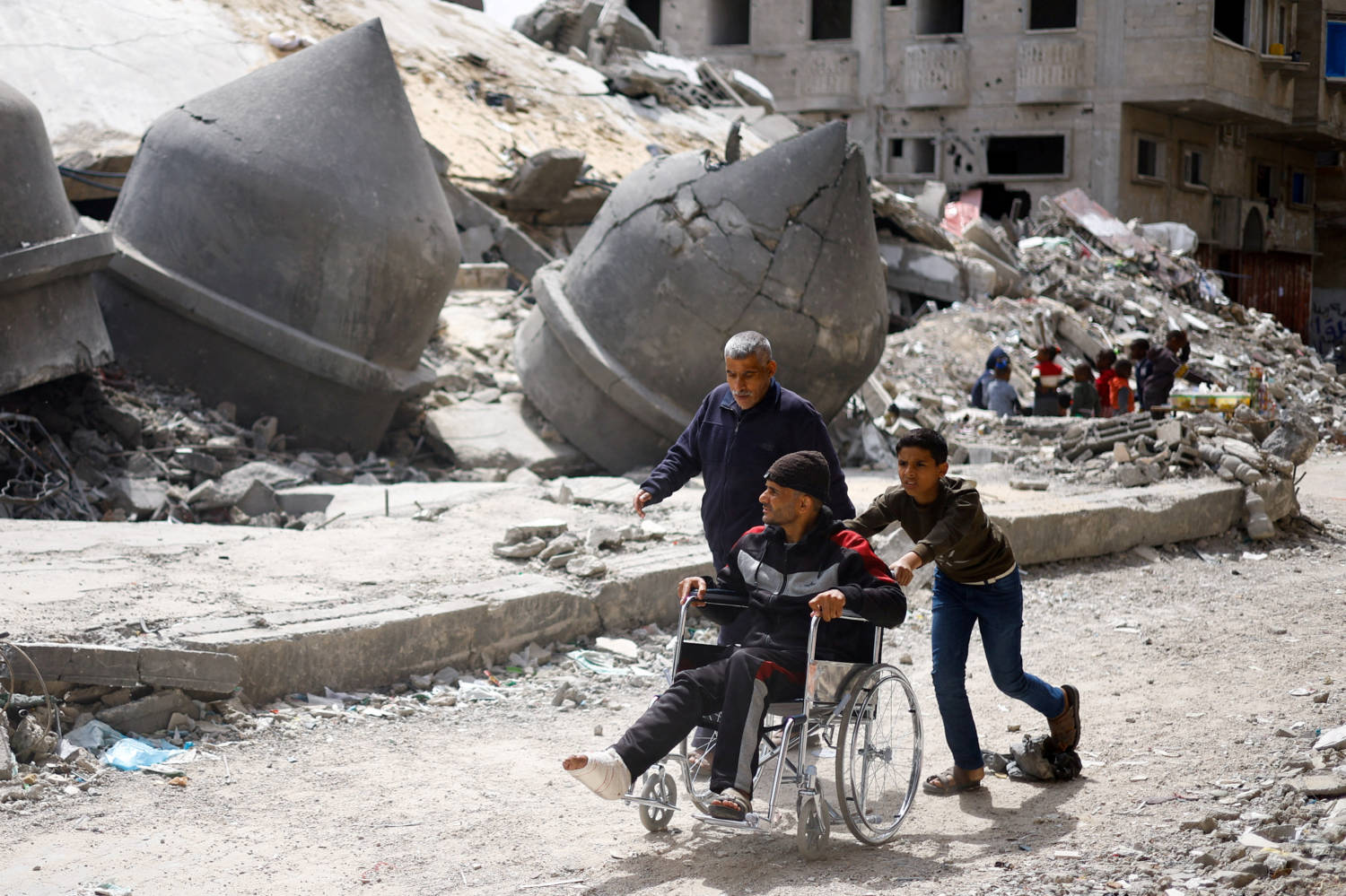
FACTBOX-What do we know about the deadly attack at the concert hall near Moscow?

FACTBOX-What do we know about the deadly attack at the concert hall near Moscow?

At least 139 people were killed and 182 wounded in an attack at the Crocus City Hall concert venue near Moscow. The attackers, armed with Kalashnikov automatic weapons, began shooting at terrified civilians in the venue. Islamic State claimed responsibility for the attack, which Russian officials have cast doubt on. Russian President Vladimir Putin stated that the attackers were heading towards Ukraine when they were detained. The FSB detained 11 people, including the four gunmen who directly carried out the attack.

Russia casts doubt on Islamic State responsibility for concert attack

Russia casts doubt on Islamic State responsibility for concert attack

Russia expressed skepticism about the United States’ claims that the Islamic State was behind a gun attack on a concert hall outside Moscow, which resulted in 137 deaths and 182 injuries. The attack, occurring just before a performance by the rock group Picnic, was the deadliest in Russia in two decades. Four men, including at least one Tajik, were detained on terrorism charges. Despite the Islamic State claiming responsibility and the U.S. believing this claim, Russian President Vladimir Putin has not linked the group to the attack, instead suggesting the attackers were trying to flee to Ukraine. The U.S. had warned Russia about an imminent attack earlier in the month. Russia questioned the U.S.’s assertion of Islamic State’s involvement, hinting at a potential diversion to cover for Kyiv. The U.S. maintains intelligence confirming Islamic State’s responsibility. Putin mentioned the detention of 11 individuals, including the suspected gunmen. Videos of the suspects’ interrogations appeared on social media, showing signs of mistreatment. Following the attack, France raised its terror alert to the highest level.

Blinken pushes for more aid for Gaza in talks with Israel’s Netanyahu

Blinken pushes for more aid for Gaza in talks with Israel’s Netanyahu

– U.S. Secretary of State Antony Blinken met Israeli Prime Minister Benjamin Netanyahu to discuss aid flow into Gaza amid tense relations due to the six-month-old war.
– Israel claimed to have killed or captured hundreds of Hamas fighters in a five-day operation at the Al Shifa hospital complex in Gaza, which Hamas and medical staff deny.
– Blinken has been engaging in diplomacy in the Middle East, including meetings with Crown Prince Mohammed bin Salman in Saudi Arabia and officials in Cairo, aiming for a ceasefire.
– U.S. President Joe Biden criticized Israel’s campaign in Gaza as “over the top” due to its toll on civilian lives.
– The war started with a Hamas raid into southern Israel, killing 1,200 and taking 253 hostages. Over 32,000 Palestinians have been killed in Israeli bombardments.
– Blinken emphasized the need for increased and sustained aid deliveries to Gaza, where the entire population faces severe food insecurity.
– Israeli Colonel Moshe Tetro denied food shortages in Gaza, claiming sufficient food enters daily.
– Discussions include Israel’s intention to launch a ground offensive on Rafah, with Washington objecting to the plan.
– An airstrike on a house in Al-Naser, east of Rafah, killed eight people, including a family with five children.
– Senior Israeli and U.S. officials are set to meet in Washington to discuss alternatives to a full-on assault on Hamas.
– Talks in Qatar focus on a proposal for a six-week halt to fighting, exchanging Israeli hostages for Palestinian prisoners.
– Israel aims to eradicate Hamas, while Hamas wants a permanent end to the war and Israeli troop withdrawal.
– Israeli troops claim to have killed or detained hundreds in the Al Shifa hospital, including senior Hamas and Islamic Jihad members, though Hamas denies fighters were in the compound.
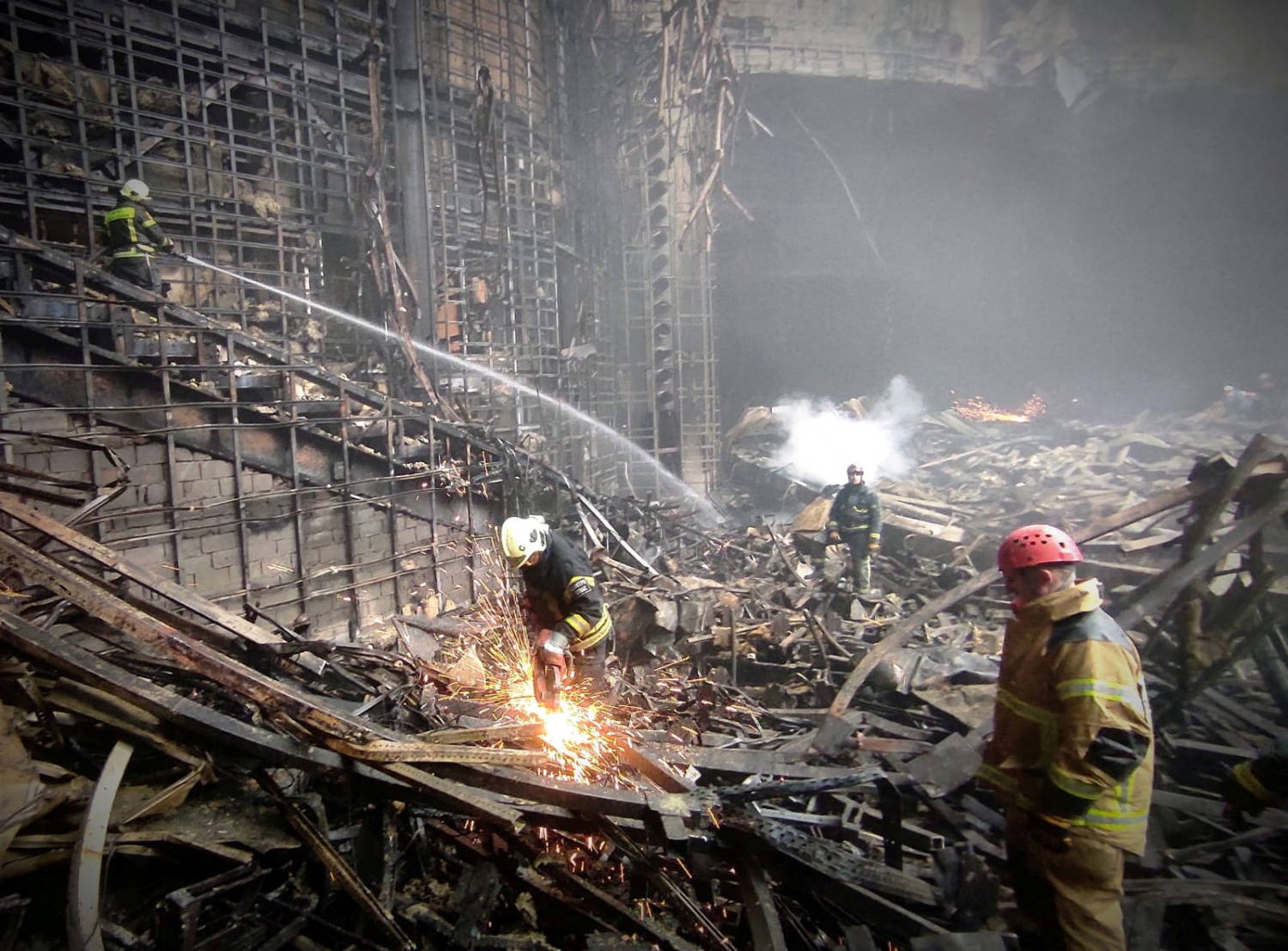
India ‘screwed up’: How the U.S. lobbied New Delhi to reverse laptop rules

India ‘screwed up’: How the U.S. lobbied New Delhi to reverse laptop rules

India reversed a laptop licensing policy after U.S. officials lobbied behind the scenes. The policy initially required companies like Apple, Dell, and HP to obtain licenses for all imported laptops, tablets, PCs, and servers, which raised concerns about potential sales slowdowns. However, India decided to only monitor imports and reassess the policy a year later. U.S. trade officials and government emails revealed concerns about India’s compliance with WTO obligations and the impact of sudden policy changes on the business climate. The U.S. Trade Representative Katherine Tai met with Indian Commerce Minister Piyush Goyal to discuss the policy, and India later admitted the policy’s sudden rollout was a mistake. The USTR is tracking India’s scrutiny of imported devices to ensure compliance with WTO obligations. India stated the policy reversal was not due to U.S. pressure but a realization that local manufacturing of laptops and tablets was not significant at this stage.