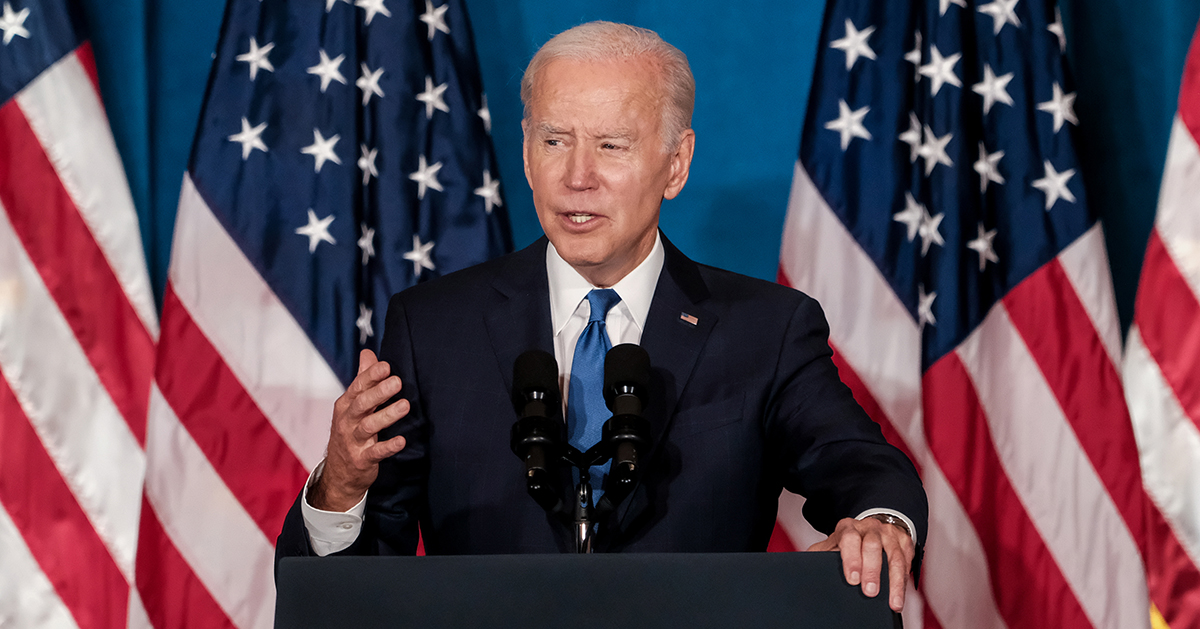
White House begins push for corporate tax hike in earnest

White House begins push for corporate tax hike in earnest

Fact: Lael Brainard, director of the White House National Economic Council, stated that President Biden is considering raising the corporate tax rate and increasing the federal tax on stock buybacks if he wins a second term.

Are Business Credit Card Rewards Taxable? | Bankrate

Are Business Credit Card Rewards Taxable? | Bankrate

Business credit card rewards are not considered income and are not taxable.

Three major amendments to new Company Law in taxation

Three major amendments to new Company Law in taxation

The new Company Law revision introduces a horizontal corporate personality denial system, holding shareholders accountable for the actions of other controlled companies. This will impact tax treatment for companies engaging in related-party transactions to evade taxes.

US Justice Department takes step to make marijuana use a less serious crime

US Justice Department takes step to make marijuana use a less serious crime

The U.S. Justice Department is moving to make marijuana use a less serious federal crime by recommending it be reclassified as a schedule three drug with lower penalties. This shift could bridge the gap between state and federal cannabis laws, leading to more research, medical use, lighter criminal penalties, and increased private investment in the cannabis sector. President Joe Biden initiated a review of the drug’s classification, and public support for marijuana legalization has significantly increased. Reclassifying marijuana could also benefit cannabis businesses by allowing their shares to be listed on major stock exchanges, receiving more generous tax deductions, and facing fewer restrictions from banks.

Georgia Has a New 2024 Income Tax Rate

Georgia Has a New 2024 Income Tax Rate

Georgia residents have reason to celebrate as Gov. Brian Kemp approved 0 million worth of tax relief measures for individuals and businesses. It is estimated that Georgia taxpayers could save about .1 billion by 2024 and billion over the next ten years.

President Biden’s Budget Calls for Raising $4.3 Trillion in Revenues Over Ten Years — Here’s How

President Biden’s Budget Calls for Raising $4.3 Trillion in Revenues Over Ten Years — Here’s How

The Biden Administration released a budget proposal for the 2025 fiscal year that includes tax proposals generating .3 trillion over the next decade. The most significant proposals include increasing taxes on corporations and high-income taxpayers.

K-Battery Companies Worried about OECD’s New Global Minimum Tax Policy

K-Battery Companies Worried about OECD's New Global Minimum Tax Policy

The global minimum tax policy imposes a minimum corporate tax of 15 percent on multinational companies with annual global revenue exceeding 1 trillion won.

Annual CIT Reconciliation in 2024- A Brief Guide for Companies

Annual CIT Reconciliation in 2024- A Brief Guide for Companies

Companies are advised to begin tax filing procedures for the 2023 tax year as soon as possible to complete CIT reconciliation before the deadline of May 31, 2024.

China CIT Reconciliation 2024 – A Brief Guide to Annual Tax Filing

China CIT Reconciliation 2024 - A Brief Guide to Annual Tax Filing

The season for China CIT reconciliation in 2024 is underway, and companies are advised to begin tax filing procedures for the 2023 tax year as soon as possible to complete CIT reconciliation before the deadline of May 31, 2024.

High Tax Rates Caused Too Much Culture

High Tax Rates Caused Too Much Culture

Corporate art purchases were common from the 1950s through the 1970s, with corporations supporting symphonies, operas, and dance companies as a mark of corporate citizenship. These expenses were tax-deductible, with the government covering half the cost. Employees preferred compensation in-kind, such as office spaces with avant-garde design or tickets to cultural events, as they faced high marginal tax rates. However, after the 1980s, as tax rates decreased, employees preferred cash over cultural benefits, leading to a decline in corporate support for culture. The shift from a culture-focused corporate environment to a more utilitarian one was influenced by changes in tax rates.