Larnaca municipality continues mosquito spraying campaign

Larnaca municipality continues mosquito spraying campaign

Larnaca Municipality is conducting systematic spraying to combat mosquitoes in the city, focusing on areas such as the Salt Lakes where significant breeding is observed. Biological insecticides are used in protected areas, and spraying targets stagnant water areas like storm drains and pools. Residents are urged to take preventive measures by avoiding stagnant water on their premises and clearing wild vegetation to deny mosquitoes shelter. Contact the Municipality’s Health Service for more information.

In Iraq, water crisis leaves farmers clinging to sidr trees

In Iraq, water crisis leaves farmers clinging to sidr trees

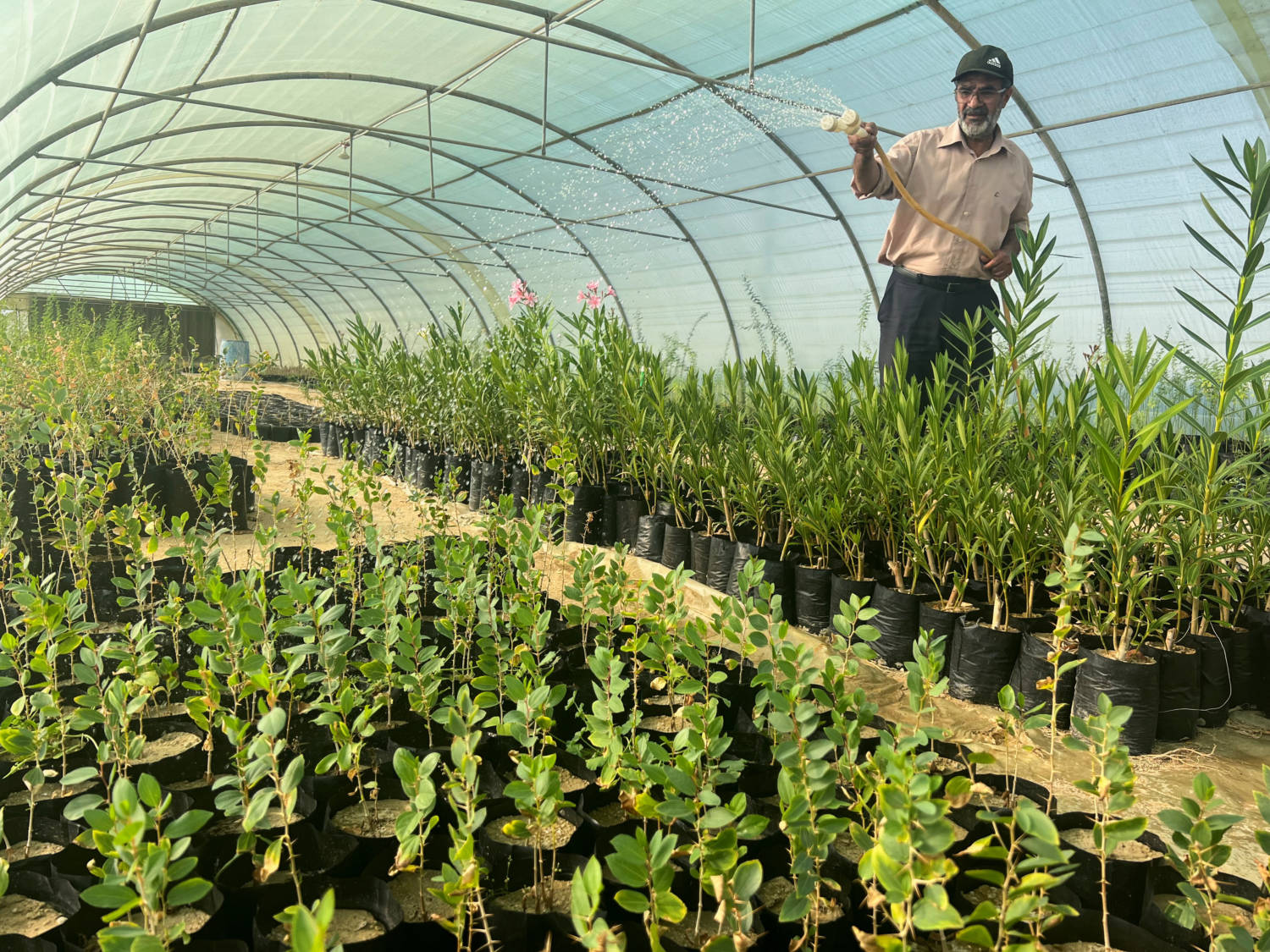
Iraqi farmer Ismail Ibrahim has switched from date palm trees to sidr trees, which require less water and can rely on salty groundwater. Palm trees are not as durable and can be affected by salty water, leading to a loss of quality and yield. The water shortage in Iraq, caused by damming of rivers and lower rainfall trends, is impacting farmers’ livelihoods.

Corporate Finance And Tax Departments, Buckle Up; It’s An Election Year

Corporate Finance And Tax Departments, Buckle Up; It’s An Election Year

Pivotal elections are set to be held in the UK and U.S. this year, which can have significant impacts on the global tax landscape for corporations. The UK’s exit from the EU, known as Brexit, resulted in major shifts in tax policy and revenue. In the U.S., President Trump’s Tax Cuts and Jobs Act and President Biden’s Inflation Reduction Act have also brought significant changes to corporate tax rates. The upcoming elections in 2024 are expected to bring more tax-focused volatility, leaving corporate decision makers unsure of how to prepare for potential changes. The key for businesses will be to focus on data integrity, regulatory compliance, and quick decision-making in the face of uncertainty.

Salty foods are making people sick

Salty foods are making people sick

Christopher Damman highlights that high levels of salt can harm the microbiome by poisoning beneficial microbes. Salt has been used historically for food preservation due to its ability to inhibit unwanted microbial growth while promoting desired bacterial growth, crucial in the development of fermented foods. Excessive salt intake, common in modern diets, is linked to various health issues including high blood pressure, heart attacks, strokes, stomach and colon cancer, Ménière’s disease, osteoporosis, and obesity. Sodium influences blood pressure by regulating water within blood vessels, and recent research suggests it also affects blood pressure by altering the gut microbiome, leading to decreased healthy microbes and metabolites that reduce inflammation and maintain relaxed blood vessels. High sodium diets are associated with metabolic disorders, obesity, and can increase cravings, potentially due to its interaction with the gut microbiome and the release of the gut hormone GLP-1. Efforts to reduce salt intake include national salt reduction initiatives and industry guidance for reduced salt in processed foods. Limiting consumption of highly processed foods and focusing on low-sodium, high-potassium, and high-fiber foods can support a healthy microbiome.