We have made so many mistakes since the 1940s

We have made so many mistakes since the 1940s

Leontios Ierodiakonou, in his analysis of the Cyprus problem, highlights the decision-making failures of Cyprus’s first two presidents following the Turkish invasion. He attributes these failures to various factors, including fear of losing popularity, protecting political careers, and personal interests, which hindered the ability to make difficult but necessary decisions. This approach led to setting unattainable targets that ultimately benefited Turkey by perpetuating a stalemate and allowing the consolidation of the invasion’s outcomes. Ierodiakonou also revisits historical instances, such as Makarios’s rejection of constitutional revisions agreed upon with the Turkish Cypriots and Spyros Kyprianou’s rejection of international plans for settlement, to illustrate missed opportunities for resolving the Cyprus problem.

Our View: Sugarcoating unpopular policies cannot work indefinitely

Our View: Sugarcoating unpopular policies cannot work indefinitely

Finance Minister Makis Keravnos of the Christodoulides government claims that green taxation plans will significantly benefit the public, despite concerns about the increased costs for fuel, water, and mandatory energy upgrades for buildings. The consumer tax reduction on fuel is ending, and a new green tax is expected to increase fuel prices by 14 to 15 cents per litre. Keravnos argues that green taxation will discourage energy and resource waste, and claims that revenue from the carbon tax will be returned to businesses and households, though specifics are not provided. Critics argue that the green taxes will increase the cost of living and inflation, as businesses pass on higher costs to consumers. There is also concern about the government’s decision-making regarding energy tariffs and subsidies, with suggestions that temporary tax relief measures are not sustainable and could harm public finances. The government is under pressure to extend fuel tax discounts and electricity bill subsidies, despite the need for fiscal responsibility and addressing inflation.

Green taxes: , ‘pay now, or later…but you have to pay’

Green taxes: , ‘pay now, or later…but you have to pay’

The announcement of a new carbon or ‘green’ tax on motor fuel in Cyprus has been met with widespread disapproval from trade unions, industry leaders, and consumer advocacy groups, despite a general acknowledgment of its necessity. The tax will begin at 5 cents per litre in 2024, with additional levies on water consumption and hotel stays. It is expected to disproportionately affect low-income households, with an estimated average household spending increase of 0.37% in 2024, translating to a monetary welfare loss of €121 per household. The government has promised fiscal neutrality, planning to return the extra money spent by the public through offsets, including a €100 cash-back for low-income families in 2024. The green tax is part of a broader tax system overhaul aimed at encouraging a shift towards greener energy and reducing reliance on fossil fuels.

The hidden costs of feeding the world

The hidden costs of feeding the world

Kathleen Merrigan finds that the true cost of food is far higher than what consumers pay at the checkout counter, taking into account economic, environmental, social, and health impacts. The United Nations Food and Agriculture Organization’s 2023 report using true cost accounting reveals that the global cost of the agrifood system in 2020 was up to US.7 trillion more than retail prices, about 10% of global GDP or per person per day worldwide. Hidden costs in wealthy countries are mainly due to unhealthy dietary patterns, while in low-income countries, they stem from poverty and undernourishment. Environmental costs, including nitrogen runoff and greenhouse gas emissions, represent about 20% of the global hidden costs. True cost accounting could guide policy changes, potentially reallocating 0 billion in agricultural subsidies worldwide to support more sustainable and equitable food production methods.

Drink driver arrested at almost seven times limit

Drink driver arrested at almost seven times limit

Police in Polis Chrysochous arrested a 41-year-old man for drink-driving and evading arrest after he crashed his vehicle into a water-pumping machine on the Prodromi-Polis Road. The incident occurred around 8pm on Thursday. The man, who was not injured, appeared drunk and refused an alcohol test at the scene. A subsequent test at the station showed an alcohol level of 147µg, significantly above the legal limit of 22µg. Additionally, it was discovered that he was driving without a license, insurance, and road tax.

Private lakes emerge as symbol of water inequity in elite Mexican holiday town

Private lakes emerge as symbol of water inequity in elite Mexican holiday town

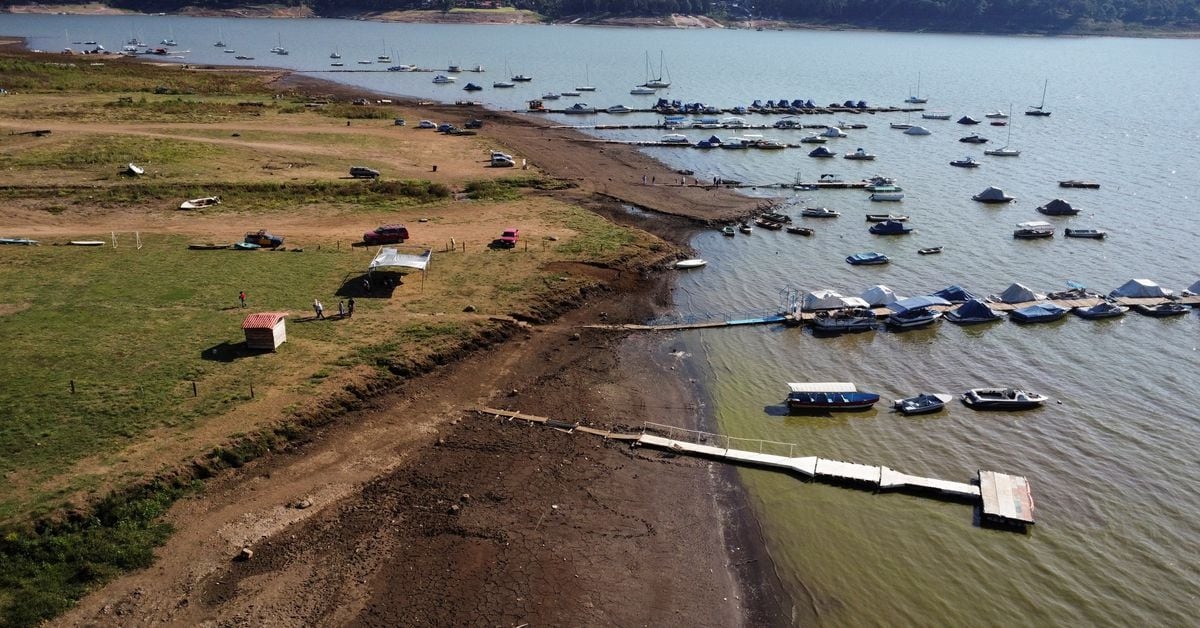
The shores of the giant dam in Valle de Bravo, a popular destination near Mexico City, have turned into cracked, dry mud due to the dam being at less than 32% of its capacity, a historic low. This dam is part of the Cutzamala System, which supplies water to about 6 million people in Mexico City and its surroundings. The area is experiencing a sharp decline in water levels, exacerbated by dwindling rainfall and a growing population. Despite this, there are hundreds of artificial lakes and dams within the properties of the wealthy in the area, which has sparked controversy over water access inequality. The decline in tourism has significantly affected locals’ income, and some neighborhoods in Mexico City have been without water for weeks. Factors contributing to the water scarcity include years of reduced precipitation, rapid development, deforestation, and the La Nina climate phenomenon, which resulted in a 12.8% rainfall deficit last year. Local efforts to address the issue face challenges, including a lack of federal support and unauthorized diversions for private lakes. A petition has been filed against the Mexican government under the Commission for Environmental Cooperation regarding these concerns.