In Gaza, starving children fill hospital wards as famine looms

In Gaza, starving children fill hospital wards as famine looms

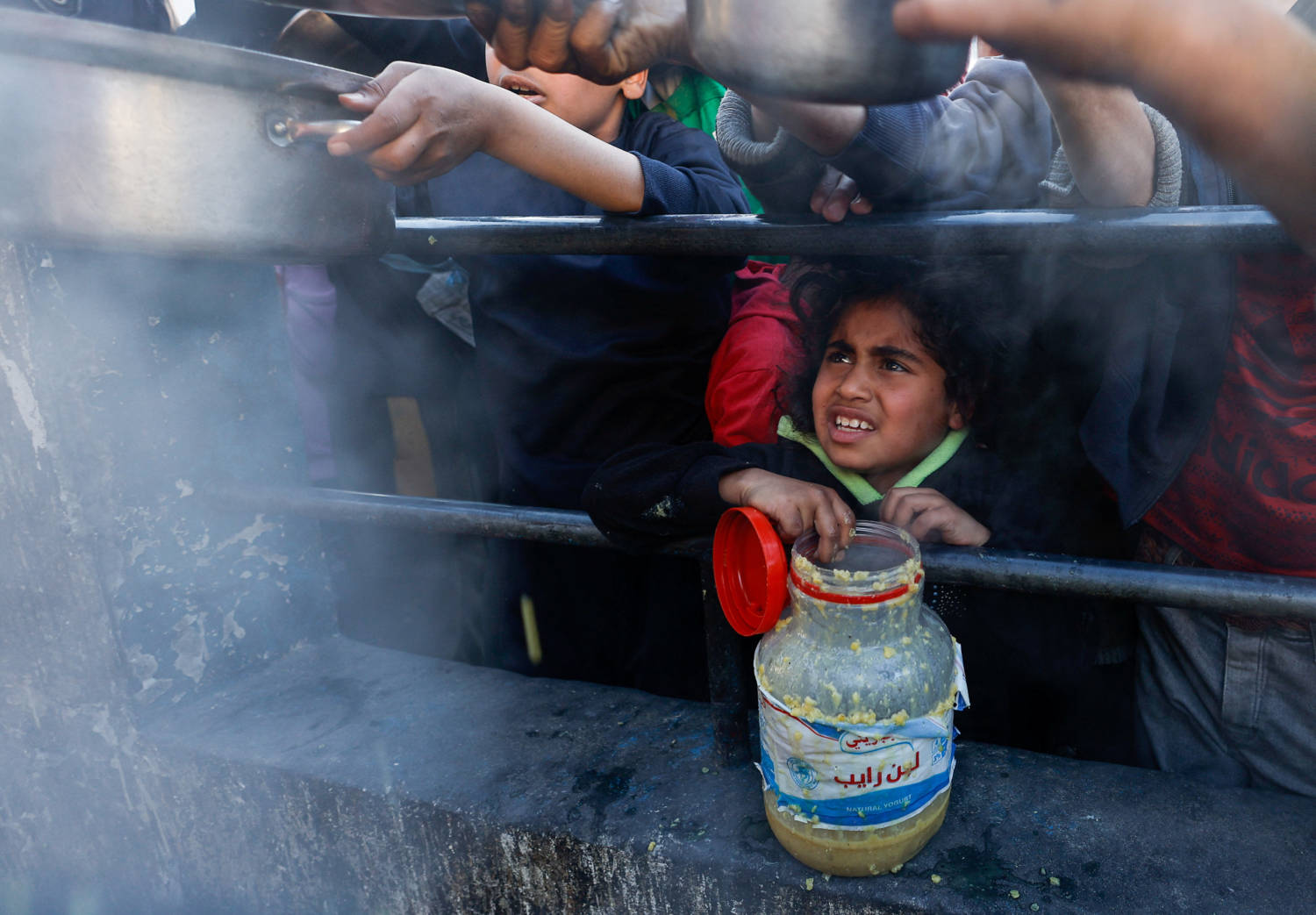
Six-year-old Fadi al-Zant from Gaza is acutely malnourished, unable to walk, and suffers from cystic fibrosis. His health has deteriorated since the conflict began, as his medication is no longer available and his diet has been severely restricted. The Kamal Adwan hospital, where Fadi is being treated, has seen most of the 27 children who have died from malnutrition and dehydration recently. The Integrated Food Security Phase Classification (IPC) warns that famine is imminent in northern Gaza, affecting over two-thirds of the people there. Despite Israel’s claims of not limiting aid, shortages of food, medicines, and clean water persist. Fadi’s condition worsened about two months ago, with his weight dropping from 30kg to 12kg. The U.N. children’s agency UNICEF reports nearly 1 in 3 children under two in northern Gaza suffer from acute malnutrition. Human Rights Watch accuses Israel of obstructing the provision of basic services and lifesaving aid, which Israel denies. Conditions in Gaza have been exacerbated by disease, with a significant increase in diarrhoea cases among children under 5, further hastening malnutrition.

Israel’s restrictions to Gaza aid may be war crime, says UN rights office

Israel’s restrictions to Gaza aid may be war crime, says UN rights office

Israel’s restrictions on humanitarian aid for Gaza might constitute a war crime due to potential starvation tactics, as stated by the U.N. human rights chief, Volker Turk. A U.N.-backed report warned of a possible famine in Gaza by May if the conflict between Israel and Hamas continues. Israel, however, claims it is facilitating aid delivery and blames the U.N. and relief groups for any issues related to aid distribution. The Israeli diplomatic mission in Geneva asserted that Israel is actively working to provide Gaza with aid through various means. The U.N. High Commissioner emphasized Israel’s obligations as the occupying power to ensure food and medical care for Gaza’s population and support humanitarian organizations in their aid delivery efforts. The report highlighted severe malnutrition and food insecurity in northern Gaza, with people resorting to eating bird seeds, animal fodder, wild grass, and weeds due to the lack of food. Turk described the crisis as “human-made” and called for international pressure on Israel to allow full aid delivery and restore essential services in Gaza.

Unprecedented heavy hail hit Nicosia on Monday

Unprecedented heavy hail hit Nicosia on Monday

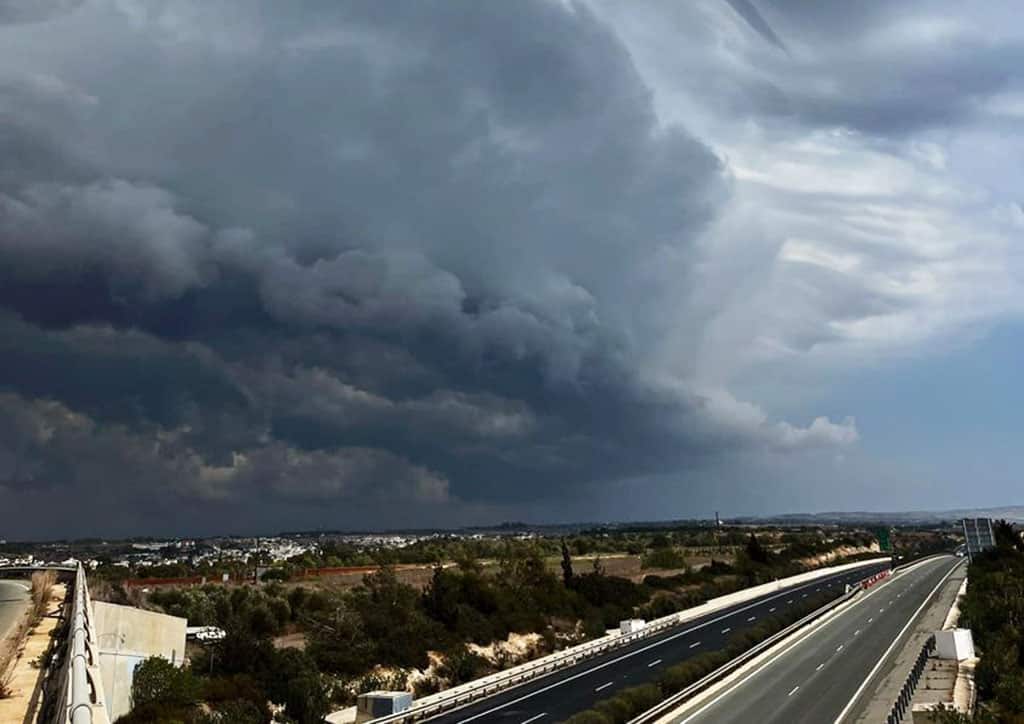
Fire crews worked into the early hours of Tuesday after heavy rains and hail struck the island, mainly affecting the municipalities of Tseri, Latsia, Lakatamia, and Strovolos. One basement in Strovolos was covered in a thick layer of hail, requiring an excavator for removal. The heavy hail and rainfall, lasting about 20 to 30 minutes, resulted in a large number of incidents. The services received 78 calls on Monday night, with 20 crews working until 2 am to respond to incidents of flooding and opening of drain pipes. These crews included 13 from the fire service, two from Support Cy, two from the civil defense, two from Etea, and a team from Pavlos. Members of the Nicosia district staff were recalled from leave to assist. Police were notified of issues caused by a large amount of water on Limassol Avenue, including several stuck vehicles and damage.

From sunlight to energy, …or not

From sunlight to energy, …or not

Cyprus, despite its abundant sunlight, has experienced a slow transition to renewable energy due to various issues. Two significant developments include the statement by the Electricity Authority of Cyprus (EAC) president regarding the new turbine at the Vasilikos power plant, which can operate on natural gas and potentially hydrogen after modifications, and a letter by ETEK to the Cyprus Energy Regulatory Authority (CERA) advocating for the acceleration of ‘Energy Communities’. The past decade has seen a lack of direction in renewable energy development in Cyprus, with the licensing process being restrictive and causing delays. This has resulted in renewable electricity being expensive and not contributing to the reduction of Cyprus’s high energy prices. The introduction of competitive bidding for future projects and the concept of ‘Energy Communities’ are deemed imperative. Green hydrogen, produced from water by electrolysis using renewable energy, has potential in various industries but faces challenges such as the need for large amounts of renewable energy and land, as well as the development of safe storage and transportation methods. The US Geological Survey (USGS) has announced the existence of ‘gold’ hydrogen in underground reservoirs, which could potentially meet global demand for hundreds of years. For Cyprus, developing green hydrogen production depends on land availability and increasing renewable power generation. Preparations for a long-term hydrogen production plan are necessary, focusing on reducing high electricity prices through the switch from diesel/HFO to natural gas and accelerating renewable projects.

What is micellar water and how does it work?

What is micellar water and how does it work?

Micellar water is commonly used to remove makeup and is effective due to the presence of micelles, which are clusters of molecules that can remove oily substances. These micelles are formed by surfactants, which have both hydrophilic and hydrophobic properties, allowing them to interact with water and oils. Surfactants are found in various products, including dishwashing detergent, body wash, shampoo, toothpaste, and some foods. Micellar water contains mild surfactants that are generally well-tolerated by the skin, making it a popular choice in skincare routines. However, it may not remove thick or heavy makeup easily, and while some products claim to leave zero residue, this usually refers to visible residue. Some users may experience irritation and might need to rinse their skin after use.

Israel approves plan to attack Rafah but keeps truce hopes alive

Israel approves plan to attack Rafah but keeps truce hopes alive

Israel approved a potential assault on Rafah in Gaza but also plans to send a delegation to Qatar for talks on a possible hostage deal with Hamas. Netanyahu’s office confirmed the attack plan, citing Hamas’ stronghold in Rafah and the intention to evacuate residents. The U.S. expressed cautious optimism about a ceasefire-for-hostages proposal by Hamas, which includes releasing Israeli hostages in exchange for Palestinian prisoners. Despite global concerns over civilian casualties, Israel aims to eliminate Hamas fighters. A recent Israeli airstrike in Gaza City killed or wounded several people. Hamas has offered a counter-proposal for a truce, involving the release of hostages for Palestinian prisoners, but gaps remain between the Israeli and Hamas positions. The war began with a Hamas attack on October 7, killing 1,200 and taking 253 hostages, leading to an Israeli assault that has killed over 31,000 and displaced nearly all of Gaza’s population. The first aid ship, Open Arms, arrived in Gaza, bringing food and water, amidst warnings of famine and malnutrition in the region.

A minute with Eleni Phyla Visual artist, founder of Forest and Love (an experiential workshop outdoors)

A minute with Eleni Phyla Visual artist, founder of Forest and Love (an experiential workshop outdoors)

– The individual lives alone in a small village on an island and dreams of having animals to care for in the future.
– For breakfast, they had fresh eggs from their neighbor and decaf coffee.
– Their perfect day involves feeling the sea water on their skin, sailing, walking in a forest, and resting their eyes on mountaintops.
– They find it hard to pick a best book but mention “Me And My Sister Clara” by Dimiter Inkiow as a memorable series since childhood.
– A cherished childhood memory is spending time with grandparents at the village or jumping waves at Argaka with parents.
– Greek village yogurt is always in their fridge.
– While driving, they prefer to have the window open to feel the breeze and listen to birds, using the time for self-psychoanalysis.
– Their spirit animals are a lion and a dolphin.
– They prefer gratitude over pride and are grateful for their level of freedom, having nature close, their parents, friends, and life’s mysterious moments.
– A movie scene that stayed with them is the last scene from “Love Me If You Dare” where two characters hug each other into eternity.
– They cannot choose between spending an evening with their missed dog, living at their grandfather’s home, or a grandfather they never met.
– Given the choice of time travel, they would go back to their own timeline to improve some decisions.
– Their greatest fear is losing the people they love.
– They would advise their 18-year-old self to do more life planning.
– Having different values is a deal-breaker for dating someone.
– If the world were ending in 24 hours, they would express love to close ones, share hugs and memories, and spend the last hour swimming to feel the water on their skin one last time.

TV shows we love: Crashing

TV shows we love: Crashing

The text discusses the concept of property guardianship as portrayed in the Netflix original series “Crashing.” Property guardianship is presented as an effective solution to the issues of high rents, housing crises, and squatters prevalent in Britain. It involves individuals, known as property guardians, living in empty buildings such as abandoned housing complexes, condemned factories, and old malls for a minimal fee. This arrangement helps in legally occupying and protecting the property from vagrants while it awaits refurbishment or demolition. The series “Crashing” features a variety of characters living as property guardians in a condemned London hospital, exploring their communal living situation, relationships, and sexual tensions. The text suggests that property guardianship could be a viable housing solution in Cyprus, particularly for those unable to afford the country’s rising rents.

Guided walks bring old Nicosia to life

Guided walks bring old Nicosia to life

A series of free, guided cultural walks is being offered in downtown Nicosia this spring, focusing on the city’s history, iconic buildings, neighborhoods, and heritage. These walks are part of the European HUB-IN project, involving the Municipality of Nicosia and the Cyprus Energy Office. They occur every Saturday, featuring 10 different themes, and will run until the end of June. The walks are primarily in Greek, with some available in English, and cater to various interests, including traditional shops, cultural spaces, historical monuments, and are designed to be inclusive of children and specifically for English speakers. Tours include explorations of Nicosia’s multicultural past and intercultural future, the city’s educational history, the significance of water and wealth, the role of coffee in Cypriot society, the history of royal families, transformations from the Middle Ages to today, the revival of Nicosia’s oldest neighborhood, and the cultural and environmental richness of the walled city. Additionally, there is a walk focusing on the emergence and evolution of Cypriot theatre and cinema. Information on the walks’ dates, times, and availability can be found online and on the Nicosia municipality’s Facebook page.

Cyprus producer price index in industry drops in January

Cyprus producer price index in industry drops in January

The Producer Price Index for Industry in Cyprus decreased by 2.9% in January 2024, primarily due to a decrease in the electricity supply sector. The index stood at 122.5 points, using 2021 as the base year, and showed a 1.3% decrease compared to December 2023. In January 2024, the index remained unchanged in the manufacturing sector, increased by 0.2% in the mining and quarrying sector, but decreased by 5.9% in the electricity supply sector and 1.7% in the water supply and materials recovery sector. Year-over-year, there were increases in the furniture manufacturing, other processing activities, repair, and installation of machinery and equipment sectors (4.9%), production of petroleum refining products, chemicals, pharmaceutical products, and preparations (2.9%), and manufacturing of electronic and optical products and electrical equipment (2.1%). Decreases were observed in the production of basic metals and manufacture of metal products (-7.8%), paper and paper products manufacturing and printing (-3.6%), and manufacture of rubber and plastic products (-1.9%).