Are Billionaire Taxes Falling? That Depends On Who You Think Pays Corporate Taxes.

Are Billionaire Taxes Falling? That Depends On Who You Think Pays Corporate Taxes.

The highest-income Americans pay only about 23 percent of their income in taxes, with billionaires having a lower effective tax rate than working-class Americans. Berkeley economist Gabriel Zucman argues that owners of capital receive all the benefits of corporate tax cuts, while other economists believe that workers also benefit through higher wages. The burden of corporate taxes may shift over time, with highly-paid employees bearing more of the burden initially, but workers benefiting once firms implement productivity-enhancing investments. Only about 28 percent of publicly traded corporate stock is held by taxable entities, highlighting the ongoing debate over corporate tax incidence.

4 considerations for companies seeking compliance with the corporate alternative minimum tax – Thomson Reuters Institute

4 considerations for companies seeking compliance with the corporate alternative minimum tax - Thomson Reuters Institute

The corporate alternative minimum tax (CAMT) was reintroduced in 2022 as part of the Inflation Reduction Act, imposing a 15% minimum tax on large corporations with three-year average annual adjusted financial statement income (AFSI) exceeding billion. This new CAMT is based on AFSI, not taxable income, and impacts about 150 companies according to the U.S. Congress’ Joint Committee on Taxation. Corporate tax departments need to understand CAMT rules, analyze tax liability, consider financial reporting implications, and engage in strategic planning to navigate the complexities of remaining compliant with the new regulations.

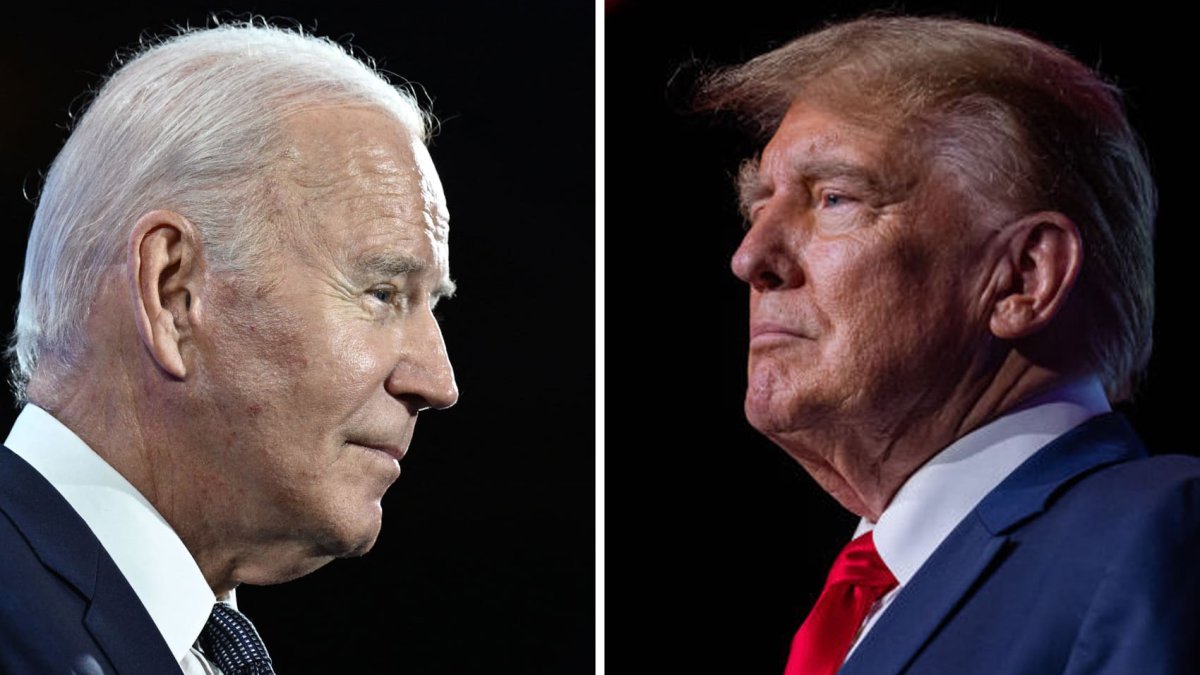
Here’s what the economy could look like with a Biden or Trump presidency

Here's what the economy could look like with a Biden or Trump presidency

The text discusses the potential impact of a Biden or Trump presidency on the US economy. The analysis covers eight major economic categories, including domestic manufacturing, higher education, healthcare, housing, labor, taxes, tariffs, and trade. Biden and Trump have different plans and approaches to these economic categories based on their past records as president and their campaign promises. Biden focuses on issues like lowering prescription drug costs, investing in the future, supporting workers and small businesses, and ensuring fair taxation. Trump, on the other hand, has proposed plans such as protecting American car manufacturers, imposing tariffs on foreign-made cars, and focusing on fossil fuels. The text also highlights the differences in their views on student loan debt, healthcare, housing costs, labor unions, taxes, tariffs, and trade policies.

Are Billionaire Taxes Falling? That Depends On Who You Think Pays Corporate Taxes

Are Billionaire Taxes Falling? That Depends On Who You Think Pays Corporate Taxes

Fact: Berkeley economist Gabriel Zucman calculated that the highest-income Americans pay only about 23% of their income in taxes, resulting in billionaires having a lower effective tax rate than working-class Americans for the first time in US history.

Global trade disruptions and their impact on tax and trade

Global trade disruptions and their impact on tax and trade

Fact: The disruptions in global trade routes, such as those at the Suez Canal and Panama Canal, have significant tax implications for multinational corporations, affecting transfer pricing, profit attribution, intangible property, withholding taxes, and customs duties.

EU excess profit tax could generate over €100 billion per year, study finds

EU excess profit tax could generate over €100 billion per year, study finds

Fact: A permanent tax on European companies’ excess profits could generate more than €100 billion per year, or over half of the EU’s annual budget.

Biden, Trump face ‘massive tax cliff’ amid budget deficit, experts say

Biden, Trump face ‘massive tax cliff' amid budget deficit, experts say

– Many provisions from the Tax Cuts and Jobs Act of 2017 are set to expire after 2025 unless Congress extends them.
– Fully extending the TCJA tax breaks could add an estimated .6 trillion to the deficit over the next decade.
– The federal budget deficit could complicate proposals from former President Donald Trump and President Joe Biden.

Increase to capital gains inclusion rate has led some business owners to re-evaluate their plans

Increase to capital gains inclusion rate has led some business owners to re-evaluate their plans

The change to the capital gains inclusion rate has created distress among those approaching retirement, particularly business owners, who now face a much higher tax bill than they had planned.

LG Chem Avoids First Global Minimum Tax ‘Bombshell’

LG Chem Avoids First Global Minimum Tax ‘Bombshell’

LG Chem recorded a Pillar Two current corporate income tax expense of 863 million won for the first quarter of this year.

Opinion | A muddled mess of a solution to SF’s tax crisis

Opinion | A muddled mess of a solution to SF’s tax crisis

The political class in San Francisco has reached a consensus on a proposal to reform the city’s tax code. The proposal includes small tax cuts for large corporations, no taxes for small businesses, and aims to reduce reliance on a few big corporations to fund the city. However, the proposal is seen as incremental and not radical enough by some, with concerns about the temporary nature of the cuts, the risk of concentration among top taxpayers, and the retention of anti-business measures like the Overpaid Executive Gross Receipts Tax. Additionally, the proposal will need to be voted on by citizens in November, adding complexity to the process.