The Island Private School: a holistic learning environment

The Island Private School: a holistic learning environment

The Island Private School in Cyprus offers a holistic learning environment for students of diverse cultural backgrounds. The school integrates best practices from the International Baccalaureate, Waldorf, and Montessori educational systems, focusing on academic excellence and developing 21st-century skills. The school’s mission is to inspire a passion for learning and prepare students as confident, responsible global citizens who value diversity. The school offers three educational tracks grounded in Environmental, Social, and Governance (ESG) principles, aiming for a sustainable and equitable future. The school has integrated ESG considerations into its curriculum through lessons on environmental sustainability, climate change, and conservation, as well as through various environmental initiatives and partnerships. The school engages with the local community, fosters inclusivity and diversity, and promotes social responsibility through various activities and events. The school plans to evolve its ESG initiatives by introducing composting bins, celebrating various faiths and cultures, and focusing on sustainability in its future campus. The school measures and reports on its progress towards ESG-related goals through key performance indicators, data collection, and stakeholder surveys. The school faces challenges in implementing eco-friendly practices due to financial constraints but is seeking funding opportunities through grants and partnerships. The school encourages student-led initiatives related to ESG and plans to use technology to further ESG education and initiatives. The school’s approach to ESG differentiates it from other educational institutions by integrating ESG into its organizational culture, decision-making processes, curriculum, and daily operations. The school envisions its role in the broader ESG landscape within the education sector in the next five to ten years by becoming an international education hub, supporting diverse educational tracks, expanding as a multicultural community, promoting ethical governance, strengthening environmental partnerships, contributing to rural development, developing a green campus, and promoting energy efficiency and renewable energy sources.

Government to implement comprehensive water policy

Government to implement comprehensive water policy

The Ministerial Council has approved the National Investment Plan for Water Projects in Cyprus. The plan focuses on implementing a comprehensive water policy that addresses new data and meets the needs for water supply and irrigation. The Ministry of Agriculture, Rural Development, and Environment will coordinate and monitor the plan’s implementation. The plan includes prioritizing projects based on documented needs, better allocation of water resources, nationwide distribution to meet needs, and improved implementation of wastewater system construction. The total budget for the plan is €1.17 billion, with first-priority projects estimated at €721.8 million and completion targeted for 2024-2029. Another 60 projects are under evaluation, estimated at €445.5 million, with start and completion dates in 2025 and 2030.

Minister sets sights on boosting agriculture, ’s share in Cypriot GDP

Minister sets sights on boosting agriculture, ’s share in Cypriot GDP

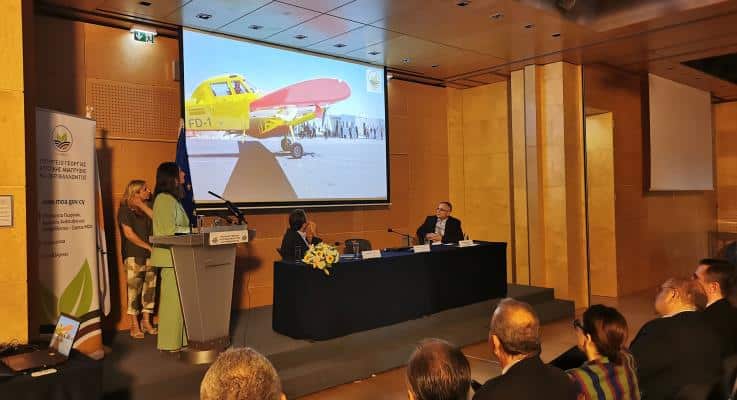
Fact: Agriculture Minister Maria Panayiotou stated that the ministry’s goal is to increase the sector’s contribution to the country’s GDP, enhance sustainability, and promote Cypriot products in new markets.

In Iraq, water crisis leaves farmers clinging to sidr trees

In Iraq, water crisis leaves farmers clinging to sidr trees

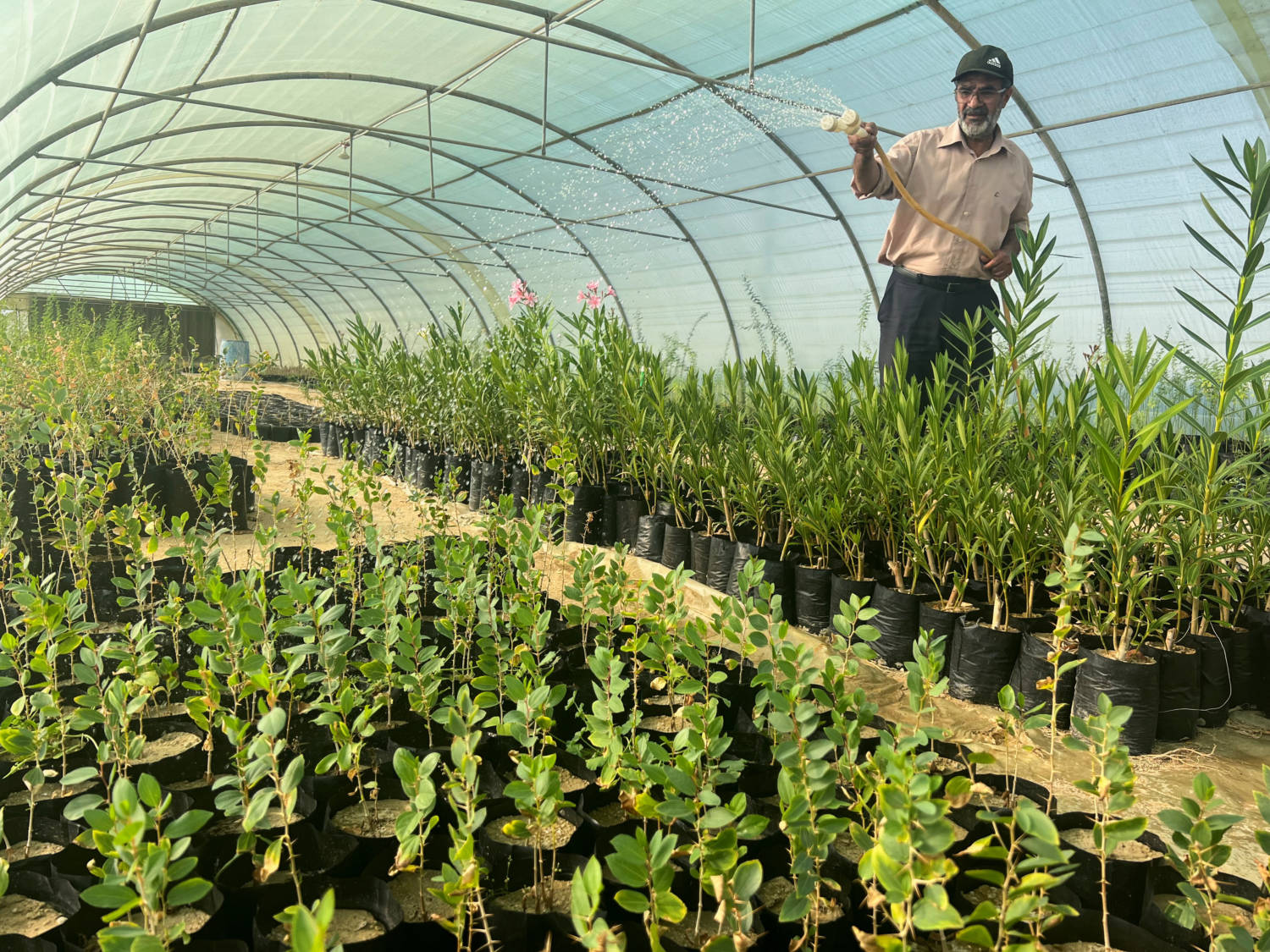
Iraqi farmer Ismail Ibrahim has switched from date palm trees to sidr trees, which require less water and can rely on salty groundwater. Palm trees are not as durable and can be affected by salty water, leading to a loss of quality and yield. The water shortage in Iraq, caused by damming of rivers and lower rainfall trends, is impacting farmers’ livelihoods.

ANALYSIS-Pasta makers cheer Turkey as its durum wheat flows abroad

ANALYSIS-Pasta makers cheer Turkey as its durum wheat flows abroad

Turkey has become a significant exporter of durum wheat, helping to fill a supply gap caused by drought in Canada. Turkish exports have kept durum prices stable and competitive, benefiting pasta producers and consumers. Turkey’s strong crop yields and competitive prices have made it a key player in the global durum market, with analysts predicting continued substantial exports in the coming years. The country’s role in supplying durum wheat may become even more crucial as Europe plans to use tariffs to limit grain imports from Russia.