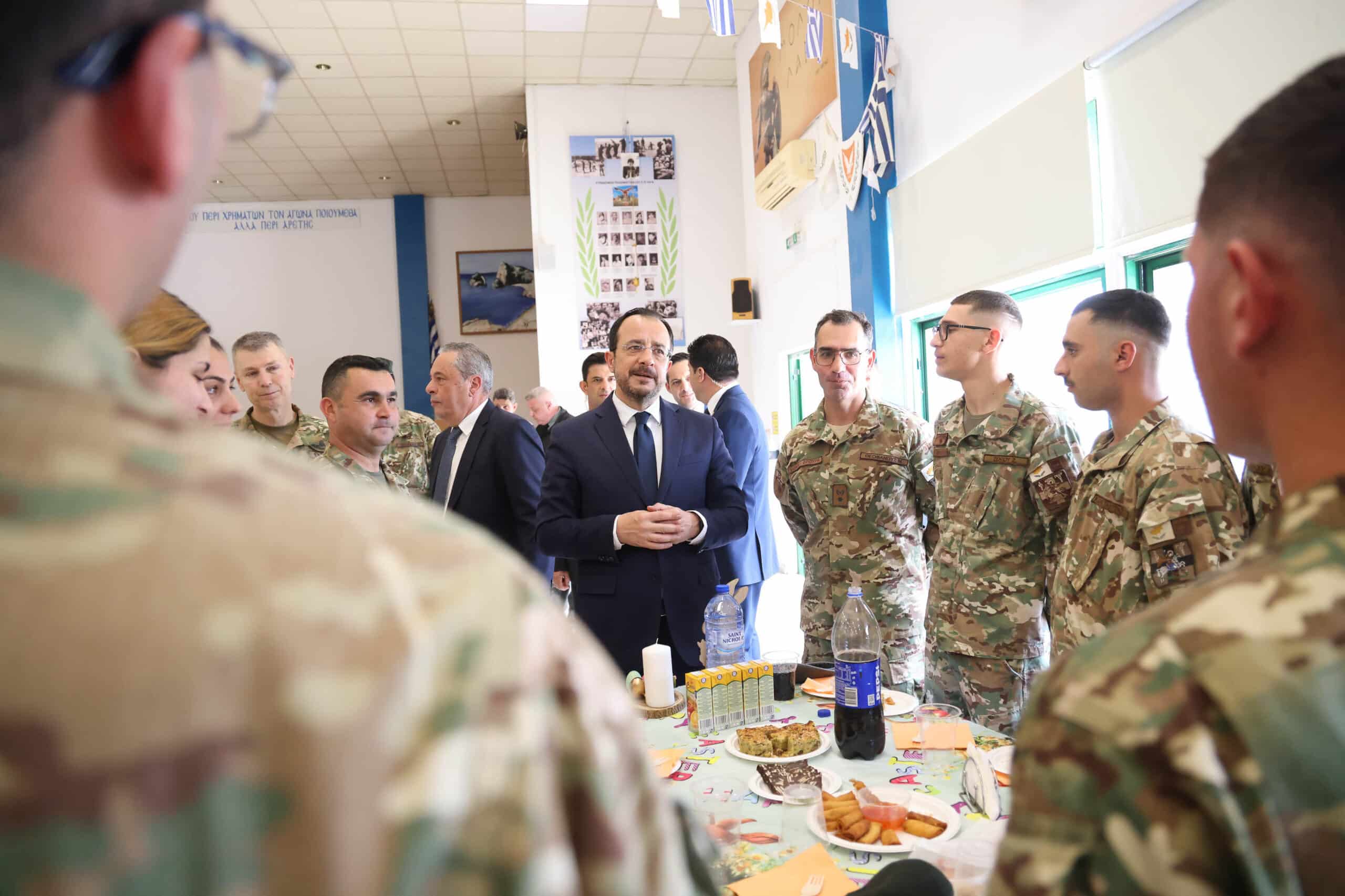
‘Cyprus ready to negotiate with Turkey over energy’
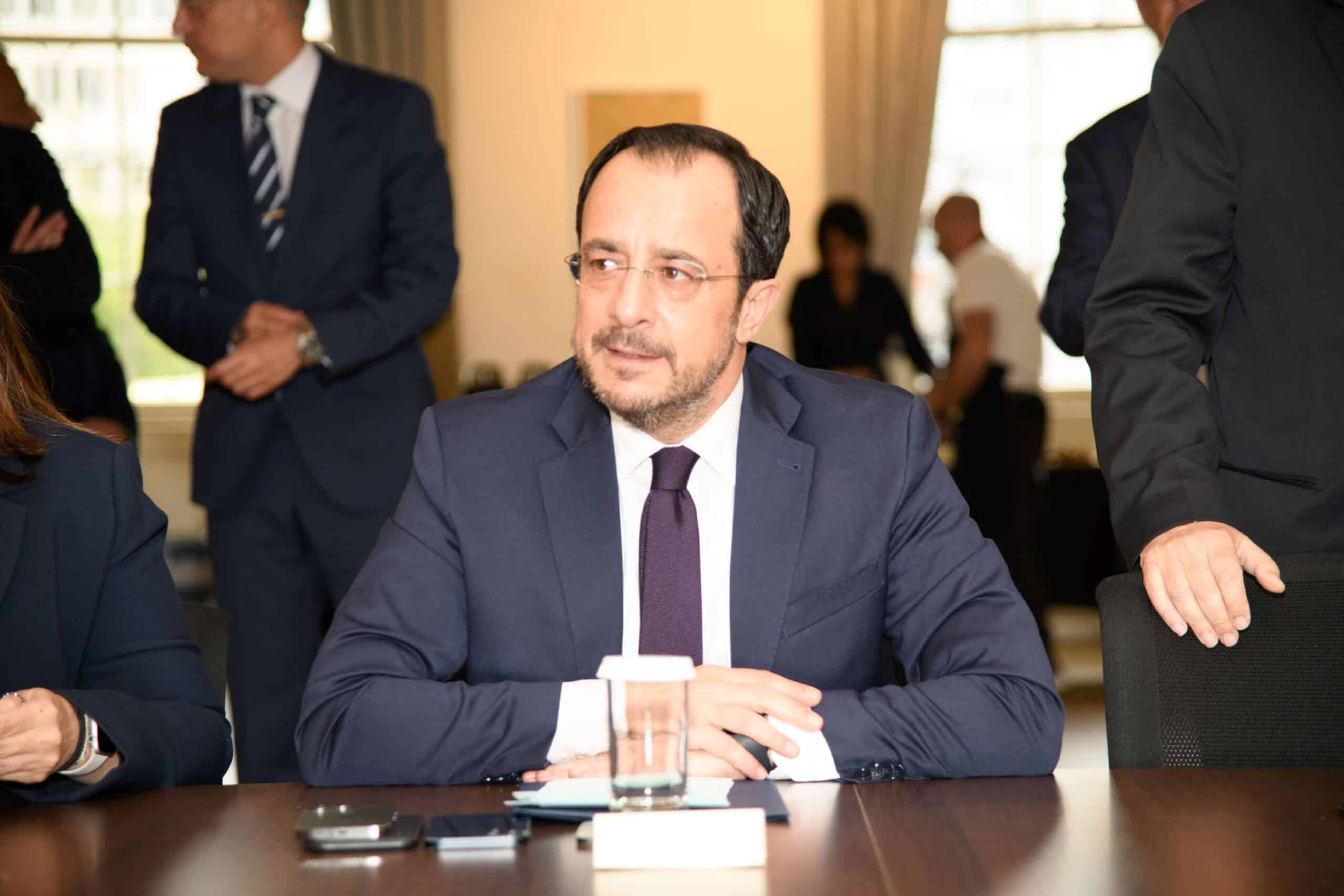
Fact: The Greek Cypriot side is ready to sit at the negotiation table and solve the Cyprus problem.
Fact: The Greek Cypriot side is ready to sit at the negotiation table and solve the Cyprus problem.

Greece’s Prime Minister Kyriakos Mitsotakis emphasized that Greece will not back down from its red lines in Greek-Turkish relations. He highlighted the country’s strengthened defense and political alliances. Mitsotakis mentioned the importance of communication between Greece and Turkey to avoid conflict, expressed concern over the Chora Monastery transformation, and stated Greece’s commitment to its sovereignty. He also noted Greece’s progress in relations with Turkey but acknowledged ongoing tensions. Mitsotakis discussed Rama’s visit to Athens, elections in North Macedonia, and the government’s goals for increasing incomes and public health.

Monday 13 May will be crucial for the Cyprus problem, with meetings in Nicosia and Ankara focusing on the outcome and future developments. The Greek Cypriot side expects Turkey to make a move to push Ersin Tatar back to the table, while Tatar insists on his conditions being met before entering talks. The UN and international actors expect both sides to make moves to break the deadlock. President Christodoulides mentioned exchanging ideas with the UN envoy, emphasizing the agreed framework for a solution. The focus is on gestures that will facilitate a joint meeting between the two leaders and the UN side.
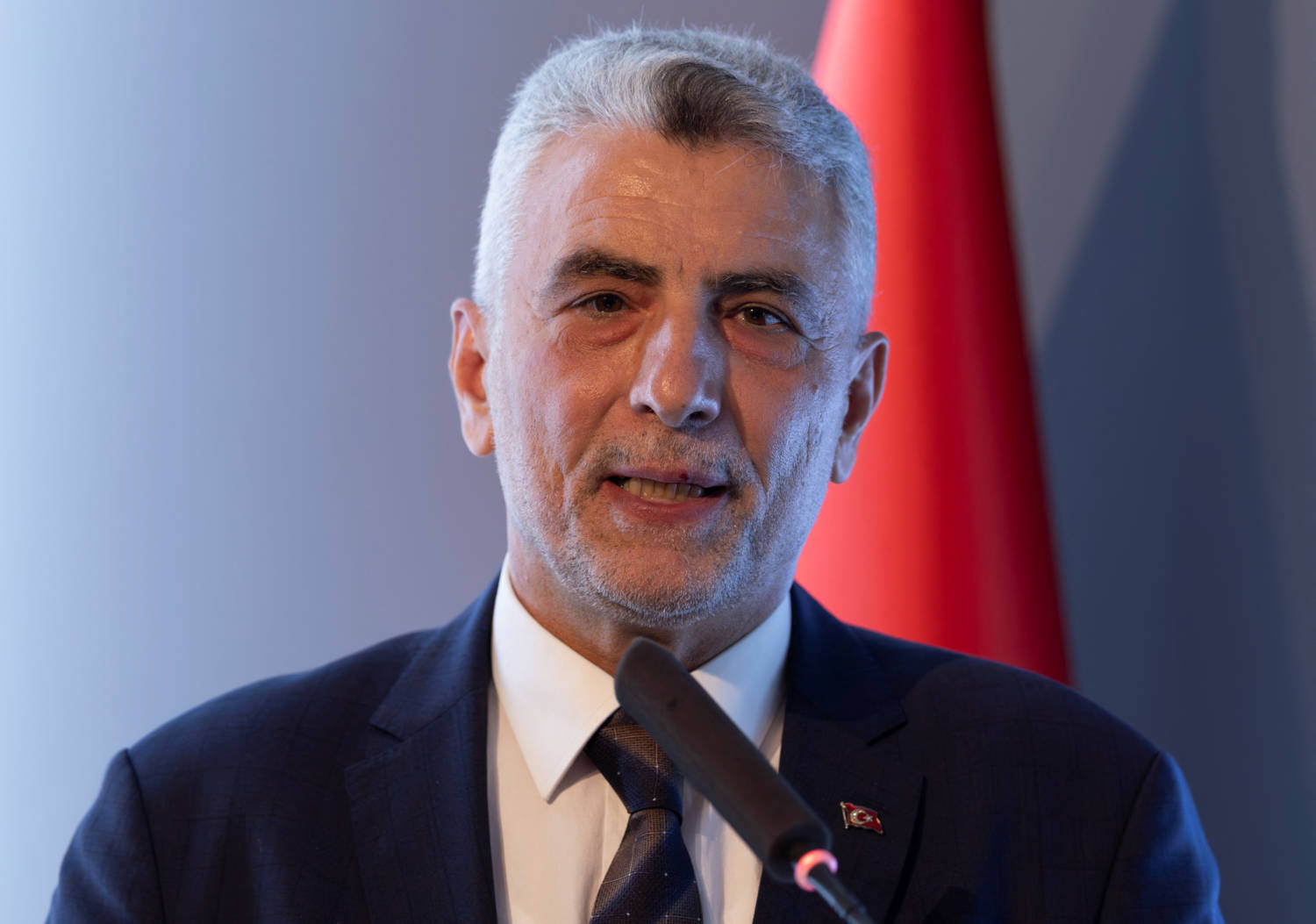
Ankara has introduced a three-month reprieve for companies with existing export deals to Israel, but the trade ban with Israel will remain until a permanent ceasefire in Gaza and humanitarian aid flow to the region are secured. The claims of Turkey easing the trade ban with Israel are said to be “absolutely fictional” by the Turkish Trade Minister.

Turkey has decided not to resume trade with Israel, valued at billion a year, until a permanent ceasefire is established in Gaza with unrestricted humanitarian aid for Palestinians. This decision was made due to Israel’s actions in Gaza, leading Turkey to become the first key trade partner to halt exports and imports with Israel. Last month, Turkey had already restricted exports to Israel, and now all remaining trade between the two countries will be stopped. Top Turkish exports to Israel include steel, vehicles, plastics, electrical devices, and machinery, while imports from Israel are mainly fuels.

Turkish riot police used tear gas and rubber bullets to disperse May Day demonstrators attempting to reach Istanbul’s Taksim Square. Dozens of protesters were detained, and President Erdogan had previously stated that the square would not be open for the annual protests. Despite the ban, workers and labor union members gathered in Sarachane neighborhood to march against inflation and economic difficulties. Over 42,000 police officers were deployed in Istanbul for the demonstrations, which have historically been held in Taksim Square.

Turkish President Tayyip Erdogan visited Iraq to improve relations and discuss deals on energy, trade, and security cooperation against Kurdish PKK militants. Erdogan emphasized Turkey’s expectations for Iraq to help in the battle against the PKK. Cooperation on economic projects and securing water from the Tigris and Euphrates rivers were also discussed. Bilateral trade between Turkey and Iraq was worth .9 billion in 2023. Erdogan also planned to meet with Iraqi Kurdish officials during his visit.
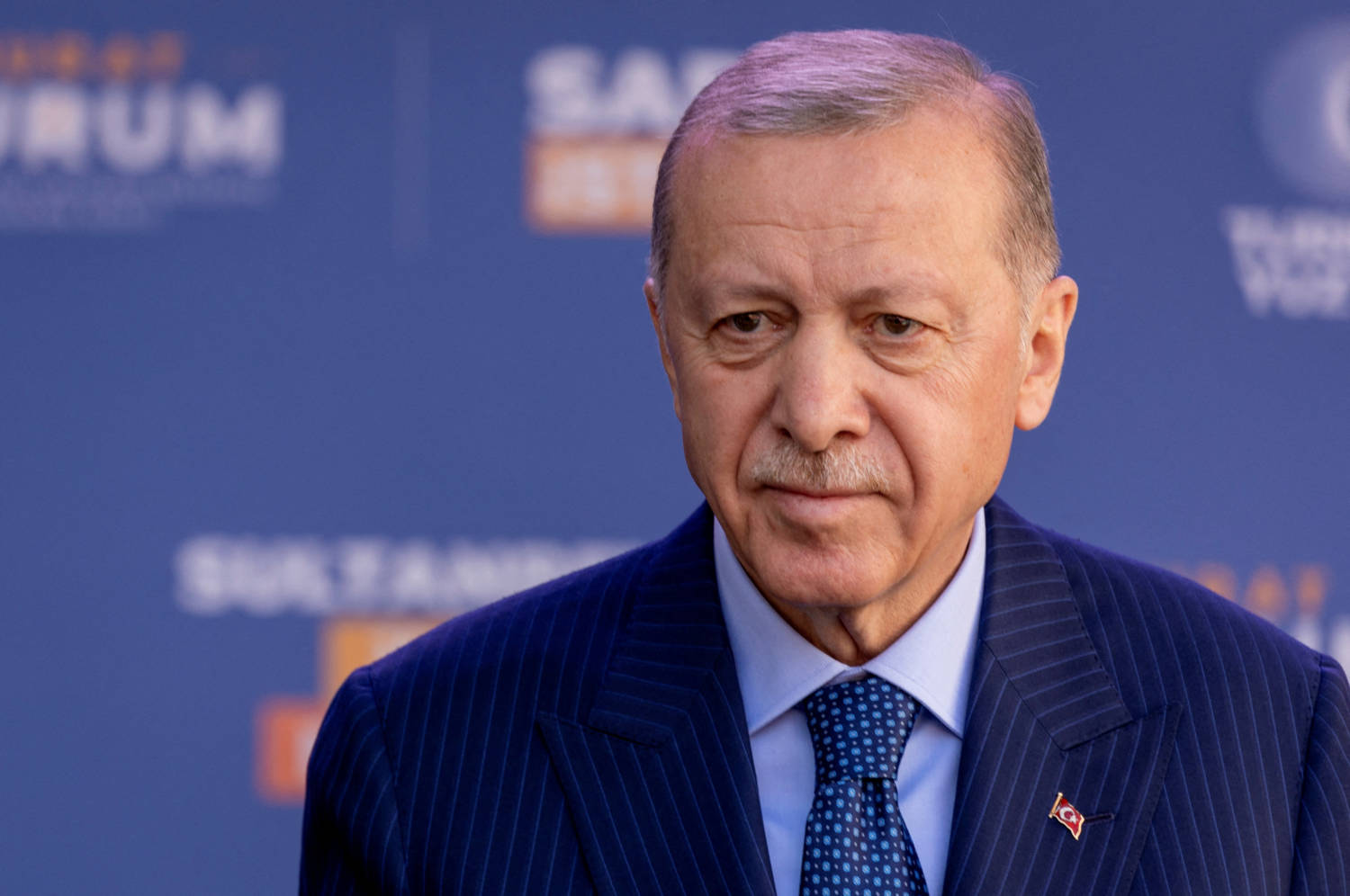
Turkish President Recep Tayyip Erdogan’s visit to the US on May 9 to meet with President Joe Biden at the White House has been canceled, as reported by a Turkish channel. The reason for the cancellation was cited as US military aid to Israel, with a billion bill approved by the US House of Representatives.