Central Prisons: CoE report flags overcrowding and conditions

Central Prisons: CoE report flags overcrowding and conditions

The Council of Europe’s Committee for the Prevention of Torture (CPT) released a report highlighting concerns about overcrowding in Cyprus’s Central Prisons and deficiencies in detention conditions across prisons, police holding cells, and Mental Health Services. The report points out issues such as understaffing due to overcrowding, with prison populations exceeding a thousand inmates, and inadequate detention conditions, where cells meant for fewer detainees now accommodate more. The CPT also expressed concerns about insufficient medical personnel in prisons, leading to staff members assuming nursing duties, and suggested increasing efforts to assess incoming prisoners to address suicide and attempted suicide incidents. The Deputy Director of Central Prisons, Haris Philipides, acknowledged the overcrowding problem and stated that measures are being promoted to alleviate it and improve conditions for prisoners and staff. An action plan has been developed for the Committee’s recommendations, with specific timelines to monitor implementation.
Ireland looks set to reject constitutional changes

Ireland looks set to reject constitutional changes

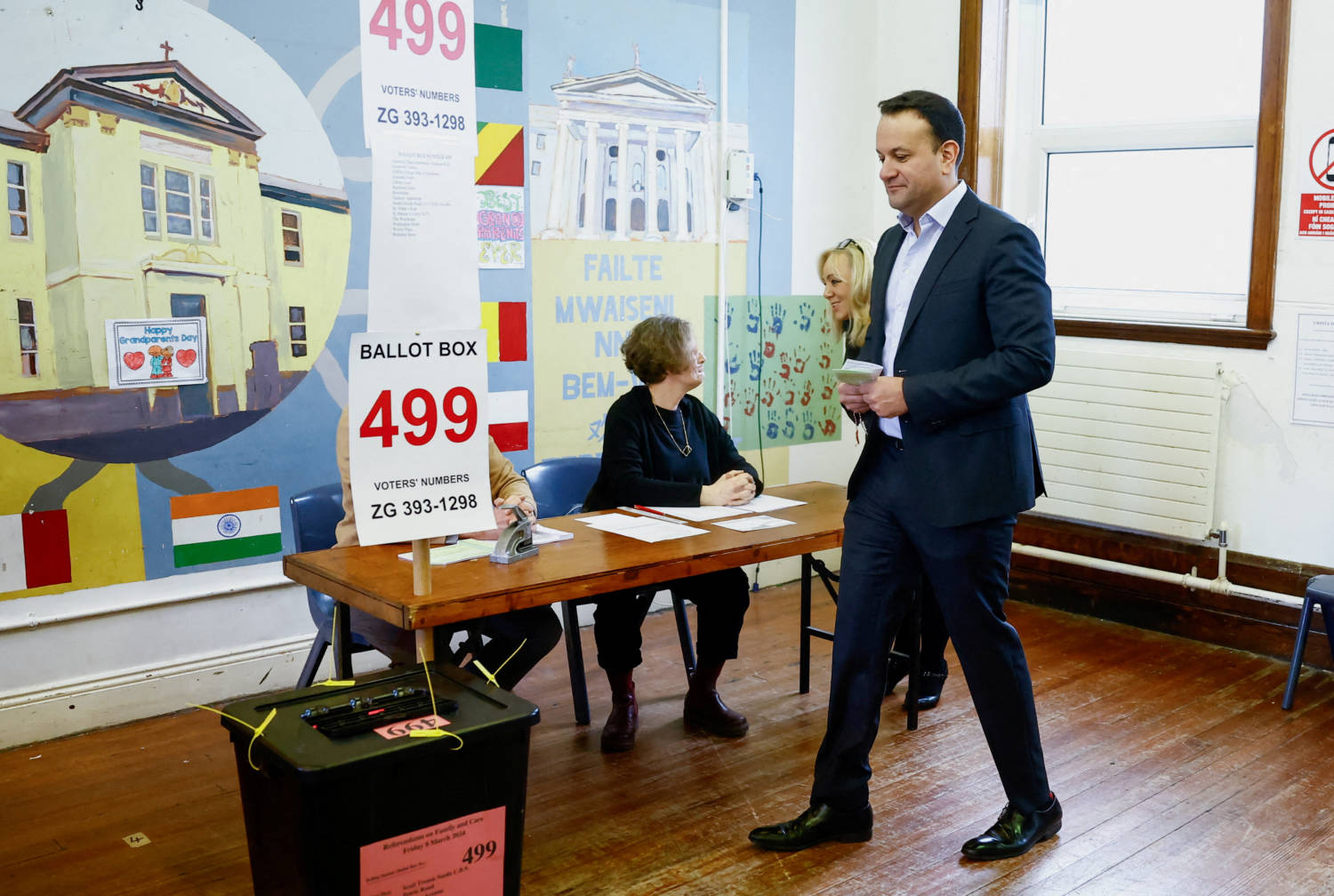
Ireland was expected to reject proposals to amend constitutional references regarding family structure and women’s roles in the home, based on early tallies from referendums. The votes, referred to as the family amendment and the care amendment, aimed to update Article 41 of the Irish constitution, which dates back to 1937. The first proposal sought to broaden the definition of family beyond marriage-based relationships, and the second aimed to replace outdated language about a mother’s duties with recognition of care provided by family members due to their bonds. Critics argued the changes would shift the responsibility of care to families rather than the state. The results were anticipated to be announced on the day following the vote, which coincided with International Women’s Day.

Israel destroying Gaza’s food system in ‘starvation’ tactic, UN expert says

Israel destroying Gaza’s food system in ‘starvation’ tactic, UN expert says

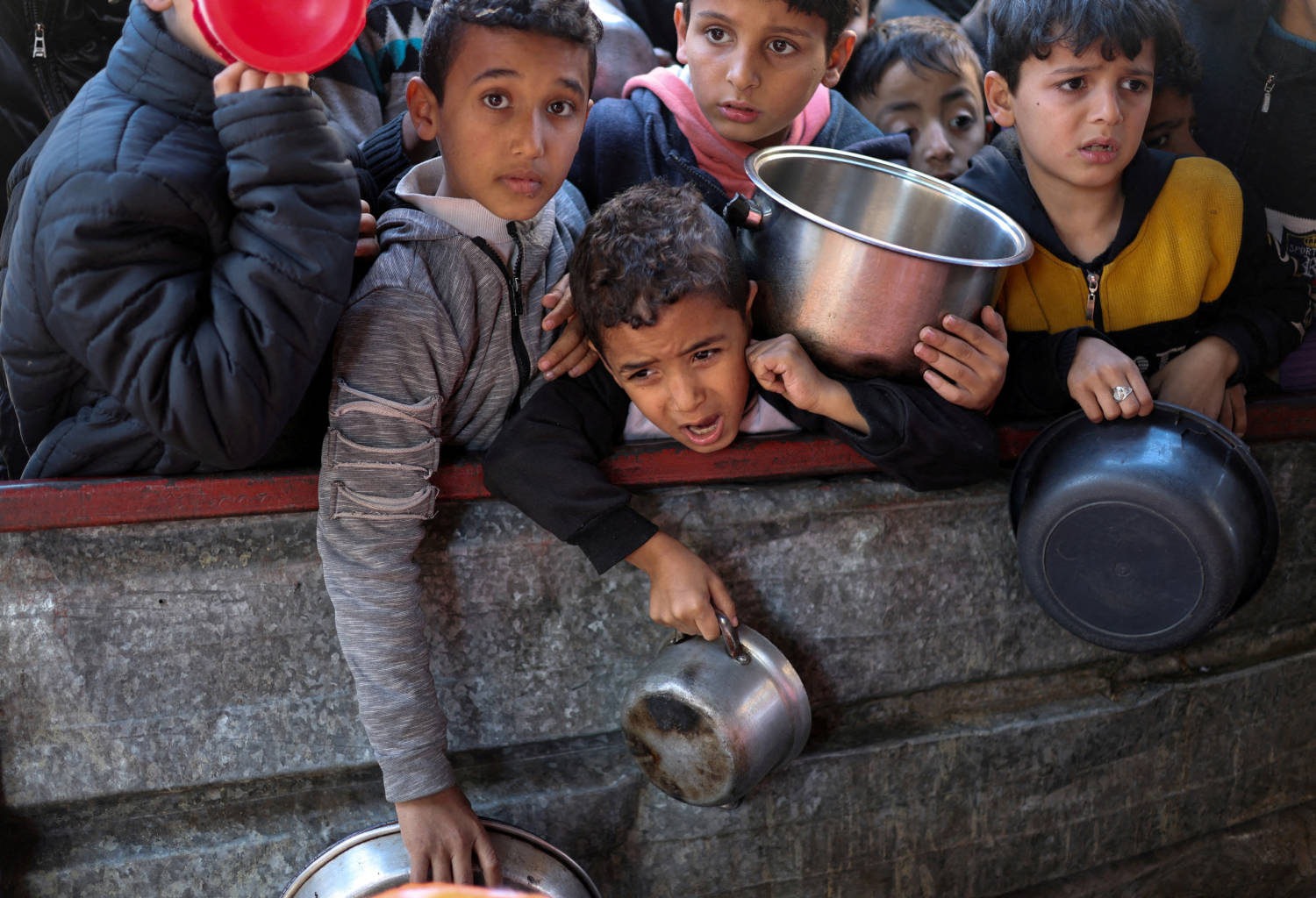
A U.N. expert, Michael Fakhri, stated that Israel is destroying Gaza’s food system as part of a “starvation campaign” in its war against Hamas militants. Aid officials have warned of a looming famine, and hospitals report children dying from malnutrition. Fakhri accused Israel of denying and restricting humanitarian aid and specifically targeting the fishing sector, with around 80% of Gaza’s fishing sector destroyed since Oct. 7. Israel denies restricting relief and waging war on civilians, stating its fight is with Hamas.

Eroglu: North must , ‘embrace reality’

Eroglu: North must , ‘embrace reality’

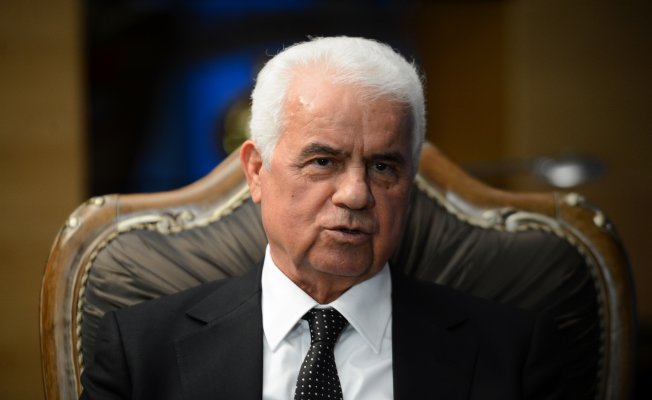
Former Turkish Cypriot Leader Dervish Eroglu stated that the Greek Cypriot side has never intended to accept the Turkish Cypriot side’s conditions for solving the Cyprus problem. He expressed skepticism about the success of United Nations Envoy Maria Angela Holguin’s efforts and highlighted that the Greek Cypriot leadership and church do not accept Turkey’s status as a guarantor power, nor do they accept the Turkish Cypriot’s participation in government, veto rights, or a rotating presidency. Eroglu criticized the international embargoes on the north, describing them as shameful and a failure to respect human rights. He mentioned that despite promises made before the 2004 referendum, there has been no easing of embargoes, with the EU and the world continuing to punish the Turkish Cypriots while rewarding the Greek Cypriots. Eroglu also reflected on the negotiation processes after the Annan plan, mentioning his own tenure and the negotiations with former President Demetris Christofias and Nicos Anastasiades, indicating a lack of progress towards a federal solution and attributing it to the Greek Cypriot side’s unwillingness to share the administration and wealth of the island.

Russia jails Jehovah, ’s Witness for eight years

Russia jails Jehovah, ’s Witness for eight years

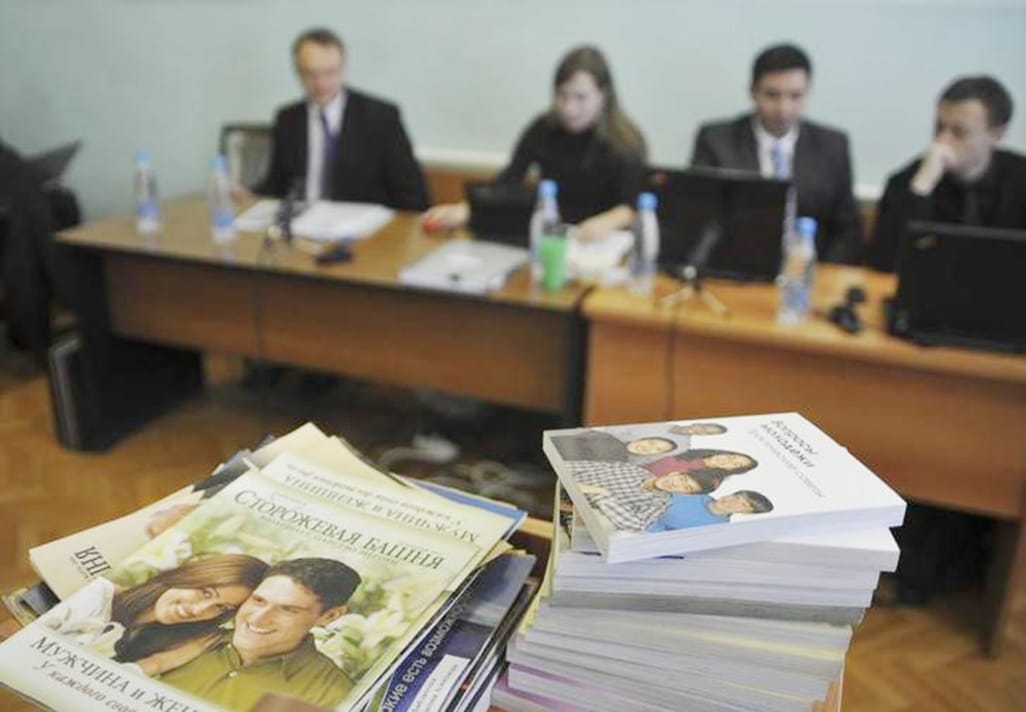
A court in southwestern Russia sentenced a Jehovah’s Witness, Aleksandr Chagan, to eight years in prison for organizing “extremist activities”. Russia’s Supreme Court had previously designated the Christian denomination as “extremist” in 2017, leading to the liquidation and banning of its nearly 400 chapters across the country. At the time of the ban, there were about 175,000 active believers in Russia. The case against Chagan was built around evidence from a “mole” who secretly filmed worship meetings. Chagan is the sixth Witness to receive an eight-year sentence, the longest term imposed since the ban. The Russian Orthodox Church dominates religious life in Russia, and some Orthodox scholars view Jehovah’s Witnesses as a “totalitarian sect”. Currently, at least 794 Witnesses have been criminally charged in Russia for their faith, with 127 serving prison sentences. The European Court of Human Rights ruled in June 2022 that the ban on Jehovah’s Witnesses was illegal.

Moldovan breakaway region asks Russia to protect its economy from pressure

Moldovan breakaway region asks Russia to protect its economy from pressure

Officials from the Russian-backed Moldovan breakaway region of Transdniestria have requested Russia’s assistance to counteract what they claim is economic pressure from the Moldovan government. This request was formalized through a resolution passed by the “congress of deputies of all levels” in Transdniestria, which includes several ministers from its government. The resolution appeals to the Federation Council and the State Duma of Russia for protective measures against Moldova’s increasing pressure. Transdniestria, an unrecognized statelet bordering Ukraine, has been autonomous from Moldova for three decades with Moscow’s support, including the presence of over a thousand Russian troops. Moldova introduced customs regulations requiring Transdniestrian companies to pay import duties to the Moldovan budget, reducing Transdniestria’s customs revenues by 18%. The resolution claims this constitutes social and economic pressure that violates European principles on human rights and free trade. Moldovan government spokesman Daniel Voda criticized the congress as a propaganda event.

EU countries block supply chain audit law at last hour

EU countries block supply chain audit law at last hour

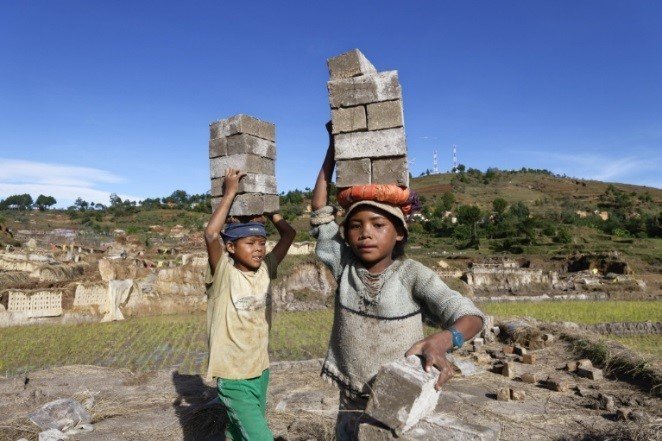
European Union countries blocked new rules requiring large companies to check their supply chains for forced labour or environmental damage due to opposition led by Germany. A ‘qualified majority’ was needed for the corporate sustainability due diligence directive (CSDDD) to proceed to a final vote in the European Parliament, but not enough support was garnered. Germany’s Free Democrats (FDP) argued the law would impose excessive bureaucracy on businesses. Thirteen EU members abstained and one voted against the law. This was the second attempt by Belgium, holding the rotating EU presidency, to secure backing for the directive. The CSDDD, set to enter force in 2027, mandates large companies in the EU to identify and address forced or child labour and environmental damage in their supply chains. The rules would apply to companies with more than 500 employees and a net worldwide turnover above 150 million euros.

Govt given until 2026 to open juvenile detention centre

Govt given until 2026 to open juvenile detention centre

The government of Cyprus has been given a deadline until the beginning of 2026 to open a juvenile detention center, as mandated by the House legal affairs committee. The committee chairman, Nikos Tornaritis, expressed dissatisfaction with the current progress and announced that young offenders would remain in a separate area of the central prison until the end of 2025. Tornaritis also highlighted the need to consider relocating the central prison away from residential areas and to build modern facilities, noting the prison’s current overcapacity and its implications for human rights. Additionally, discussions have taken place regarding the construction of new District courts in Nicosia, with a positive agreement from the government to proceed immediately.

No conflict of interest: Cypriot lawyers in Anastasiades case

No conflict of interest: Cypriot lawyers in Anastasiades case

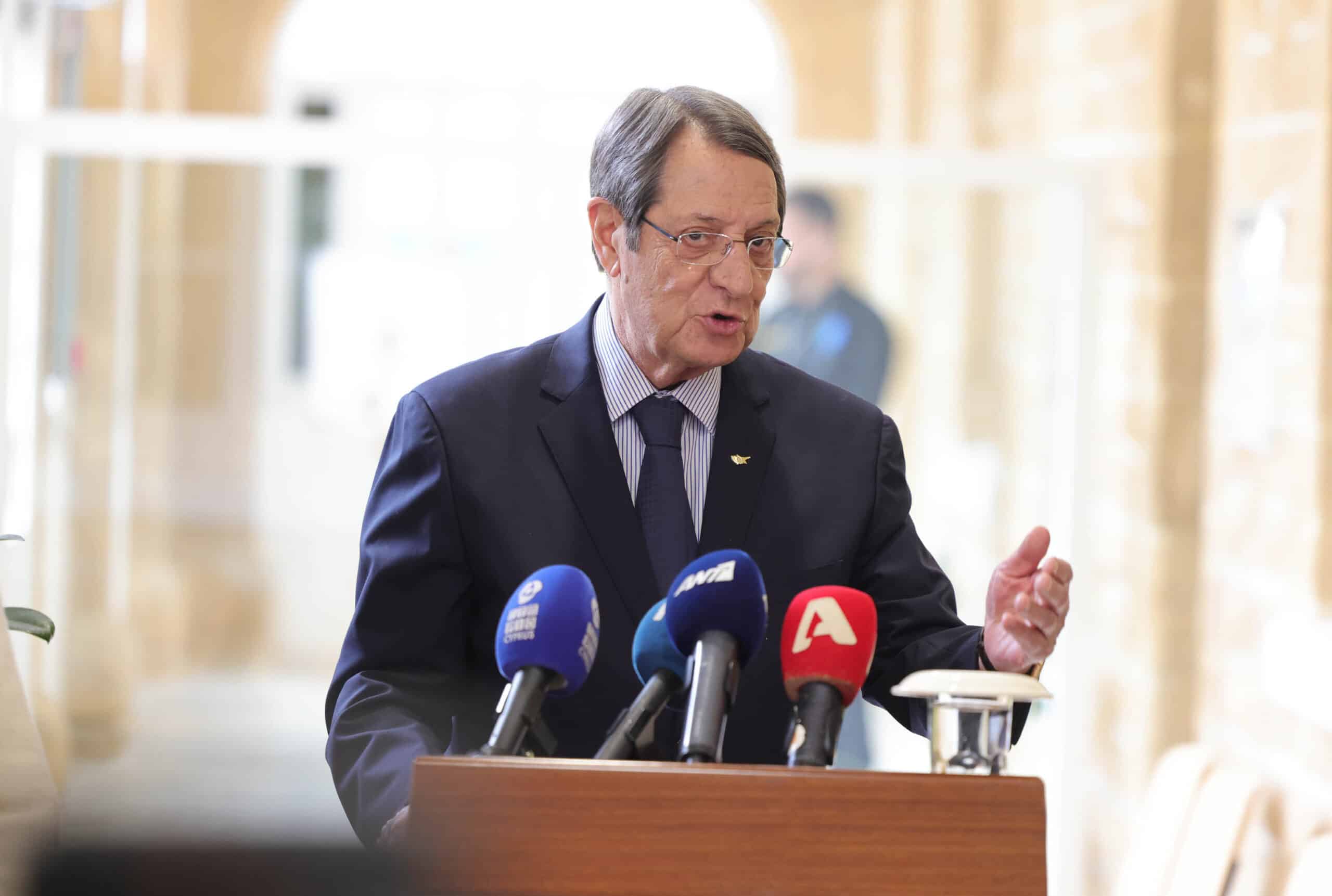
Gabrielle McIntyre, a legal expert, has been appointed to investigate corruption claims against former president Nicos Anastasiades. She will be assisted by three Cypriot lawyers: Charilaos Chrysanthou, Orestis Nikitas, and Andreas Efthymiou. The investigation is based on allegations made in the book ‘Mafia State’ by Makarios Drousiotis. McIntyre is scheduled to arrive in Cyprus on March 3 to continue the investigation. The anti-corruption authority, which was established about a year and a half ago, will not comment on the investigation’s progress. McIntyre has experience in international legal practice and has worked with the ICTY. Former president Anastasiades welcomed McIntyre’s appointment and stated that the findings of the investigation should be made public. Drousiotis claimed that Anastasiades’ lawyers demanded the withdrawal of his books, an apology, and damages.

Julian Assange’s appeal against US extradition is life or death, wife says

Julian Assange’s appeal against US extradition is life or death, wife says

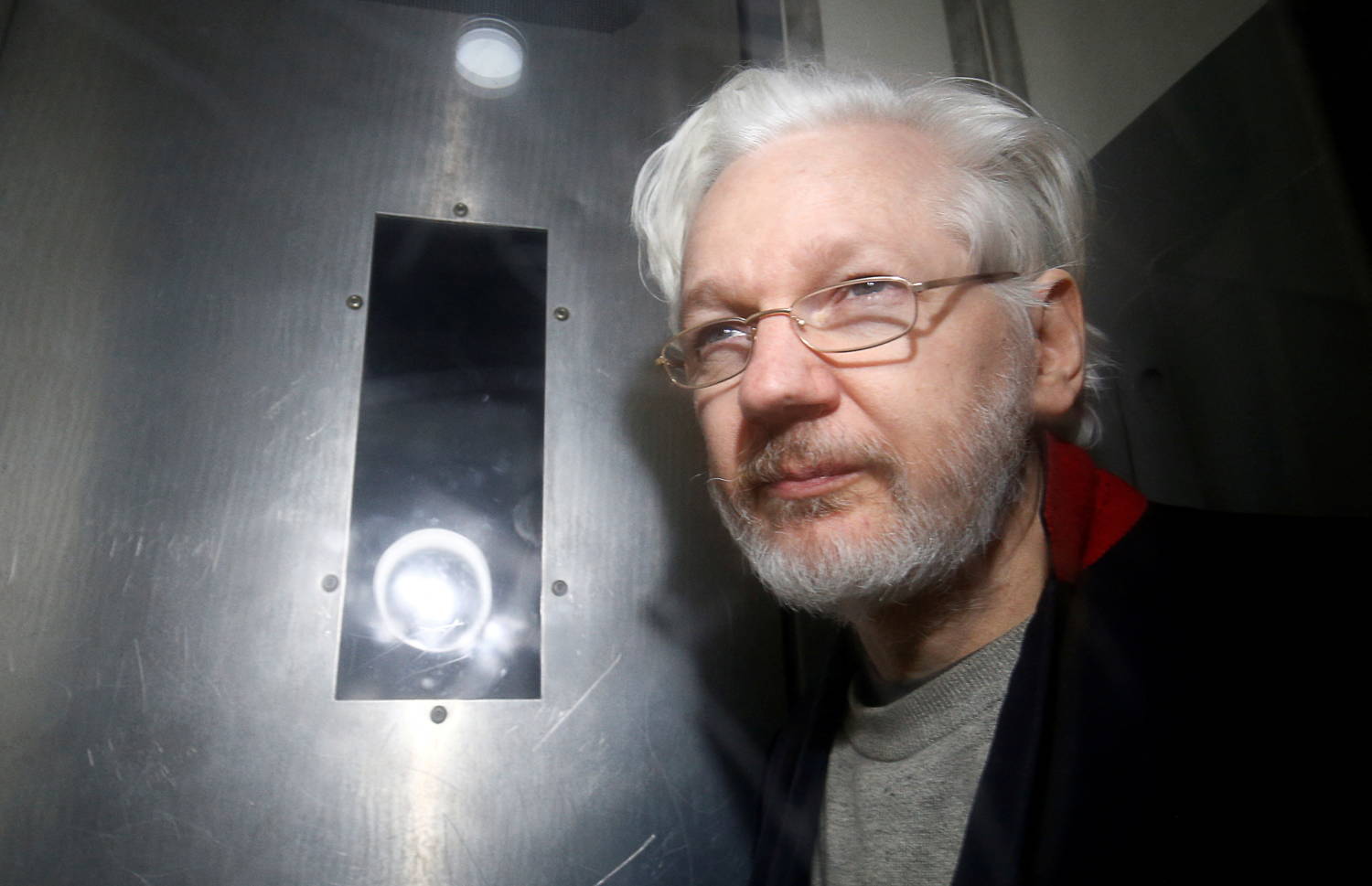
Julian Assange’s wife, Stella, stated that his last-ditch legal challenge to prevent his extradition from Britain to the United States is a matter of life or death. Assange is wanted by U.S. authorities for releasing confidential U.S. military records and diplomatic cables through WikiLeaks. His lawyers will fight to overturn Britain’s approval of his extradition at the High Court next week. Stella Assange expressed concern for her husband’s declining physical and mental health, stating that he would not survive if he were sent to the U.S. In January 2021, a judge ruled against Assange’s extradition due to his mental health, but the decision was reversed after an appeal by U.S. authorities. If the challenge at the upcoming hearing fails, they will apply to the European Court of Human Rights for an injunction. WikiLeaks gained prominence in 2010 for releasing classified files and diplomatic cables, with U.S. prosecutors claiming that the leaks endangered their agents. Assange has been held in a maximum-security prison in London since 2019.