Finance Minister says new support measures imminent , — electricity subsidy may be renewed
Finance Minister says new support measures imminent , — electricity subsidy may be renewed

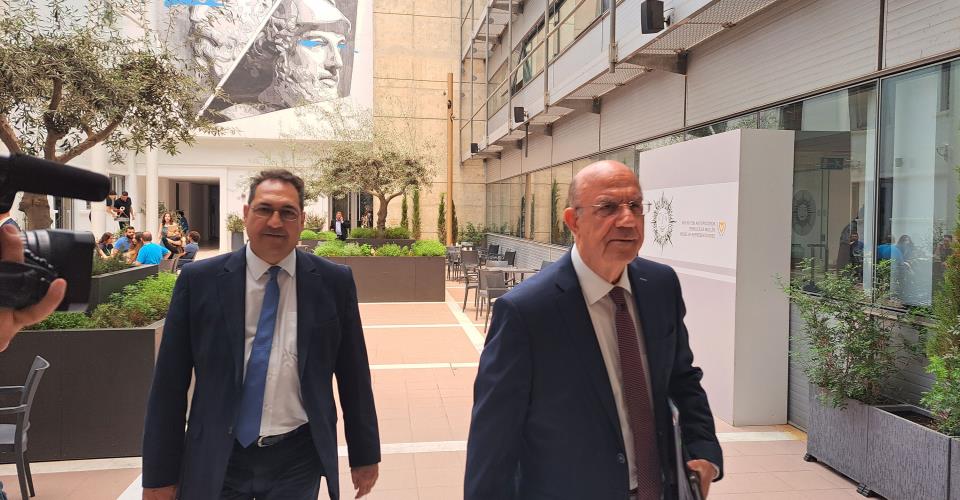
Finance Minister Makis Keravnos announced that new support measures will be discussed at the next Cabinet meeting and will subsequently be announced to the public. Keravnos mentioned the possibility of extending the electricity subsidy, which was launched in October and is due to expire at the end of the month. The fiscal impact of the subsidy is estimated at €45 million, and Keravnos assured that the cost is within the expected framework and that the government remains committed to fiscal discipline. The government plans to support vulnerable groups and middle-income households. Keravnos emphasized that while the European Commission requires targeted support measures, which are considered more effective, the government does not rule out the possibility of implementing horizontal measures if needed. The high cost of electricity is a significant issue and a top priority for the country. The scaled electricity subsidy is targeted and is among the priorities under consideration. The appointment of the Financial Commissioner and the governor of the Central Bank of Cyprus (CBC) are upcoming matters, with the governor being appointed by the president of the Republic of Cyprus.

Opinion: Trump’s words, military imbalance seen raising risk of war in Europe

Opinion: Trump’s words, military imbalance seen raising risk of war in Europe

Fact: German Chancellor Olaf Scholz attended the groundbreaking ceremony for a new munitions factory and warned that Europe must move to mass producing weapons because we do not live in times of peace.

Ukraine needs $486 bln to recover, rebuild after nearly two years of war – World Bank

Ukraine needs $486 bln to recover, rebuild after nearly two years of war – World Bank

Rebuilding Ukraine’s economy after Russia’s invasion is expected to cost 6 billion, which is 2.8 times its expected economic output in 2023. This estimate covers the period from the invasion in 2022 through the end of 2023 and includes the direct physical damage to infrastructure, the impact on people’s lives and livelihoods, and the cost to “build back better.” The estimate has increased from 1 billion last year. The report identifies housing needs as the highest priority, followed by transport and commerce and industry. The direct damages from the war have reached almost 2 billion, with losses concentrated in certain regions. Disruptions to economic output and trade, as well as other war-related costs, are expected to add another 9 billion. The report highlights the urgent need for billion to cover repair, recovery, and reconstruction priorities in 2024. The Ukrainian government has already allocated some funds for this purpose and plans to undertake various reforms. Despite the war, the Ukrainian economy has shown resilience, with foreign direct investment flowing into the country. The number of displaced Ukrainians has decreased compared to previous assessments.

Jeffrey Epstein victims sue FBI, allege coverup

Jeffrey Epstein victims sue FBI, allege coverup

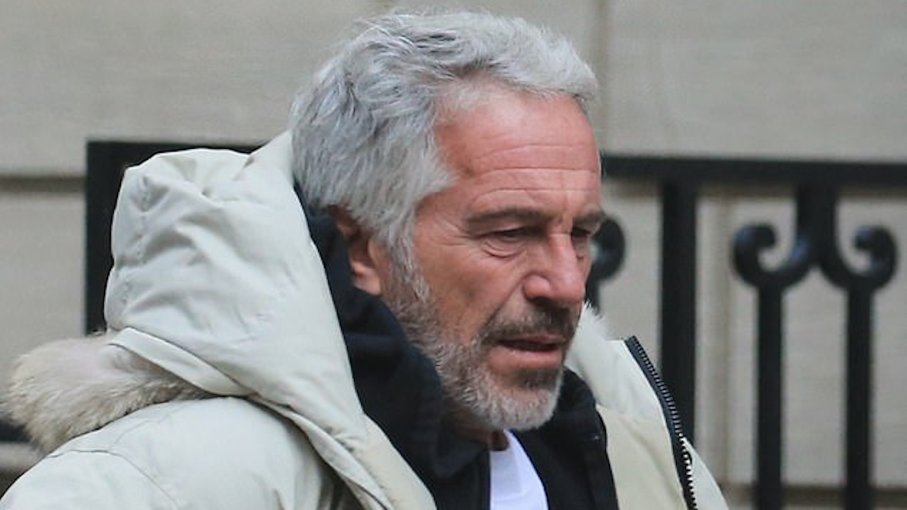
A dozen victims of Jeffrey Epstein have filed a lawsuit accusing the FBI of covering up its failure to investigate the late financier, allowing his sex trafficking to continue for over 20 years. The victims claim that the FBI received credible tips as early as 1996 but failed to interview victims or share information with law enforcement. The FBI began a probe in 2006 but ended it two years later after Epstein pleaded guilty to a prostitution charge. The victims argue that the FBI’s negligence allowed them to be sex trafficked, abused, and threatened. The lawsuit seeks damages from the U.S. government. The number of Epstein’s victims is believed to be over 100.

Explainer: How climate change affects Europe’s farmers

Explainer: How climate change affects Europe’s farmers

Farmers across Europe are protesting against EU environmental rules, claiming that they are adding to the burdens faced by the agricultural sector. Climate change is already impacting farmers, with increasing heat, drought, and flooding affecting their crops and livestock. Extreme weather, including droughts and heavy rains, has led to record low olive oil production, low crop yields, and damage to fruit quality. The Intergovernmental Panel on Climate Change has highlighted the negative effects of climate change on crop yields, and scientists have found that human-caused climate change played a role in extreme heatwaves and wildfires. Without action to curb climate change, the situation for Europe’s farmers will worsen. Farmers have criticized EU green rules, arguing that they burden them with costs and bureaucracy that producers outside of Europe do not face. The EU has weakened some of these rules in response to protests. The future of farming in relation to the EU’s green agenda is a question for policymakers, and the EU acknowledges that agriculture needs to cut emissions faster to comply with climate goals.

ANALYSIS-Indonesia’s Prabowo poised for power, but how will he rule?

ANALYSIS-Indonesia’s Prabowo poised for power, but how will he rule?

Prabowo Subianto, the former Defence Minister of Indonesia, has taken a commanding lead in unofficial results from Wednesday’s election, making him the presumed next president of Indonesia. His victory is met with a mixture of elation and anxiety, as he is a polarizing figure. One major question is how long his alliance with outgoing President Joko Widodo will hold. Prabowo has aligned himself with Widodo’s policies during the campaign, but analysts say that policy continuity is not guaranteed. Prabowo is from an elite family and was dismissed from the military in 1998 amid allegations of human rights abuses. He has campaigned on a platform of “Developing Indonesia” and promises to achieve 7% economic growth. A Prabowo government would likely play a bigger role in the economy and follow the pragmatism of previous Indonesian presidents. However, concerns about Indonesia’s democratic regression have been raised, as Prabowo has discussed abolishing presidential term limits and ending direct elections.

Cyprus healthier than EU but health spending less

Cyprus healthier than EU but health spending less

Cyprus is outperforming the European Union average in various public health metrics. The average life expectancy in Cyprus is 81.7 years, which is higher than the EU average of 80.7 years. Older people in Cyprus live longer without activity limitations compared to the EU average, with men expecting 19.1 years and women 21.5 years without limitations at age 65. Cyprus has the lowest rate of preventable and treatable deaths in the EU, at less than 200 per 100,000 people. It also has the lowest rate of unmet needs for medical care in Europe, with less than one percent of people reporting unmet healthcare needs.

Despite these positive outcomes, Cyprus spends less on health than the EU average, with 9.4 percent of its GDP going to health expenditure and a per capita annual spend of €2,686, compared to the EU average of €4,028. The proportion of healthcare costs paid out of pocket in Cyprus is 10 percent, lower than the EU average of 15 percent.

However, Cyprus faces challenges with antibiotic-resistant bacteria, with 43 percent of people with bloodstream infections testing positive for such bacteria, nearly three times the EU average of 15 percent. The number of nursing graduates is also low, with 15 per year per 100,000 people, resulting in 4.8 practicing nurses per 1,000 people, which is below the EU average of 8.5. Conversely, Cyprus has five doctors per 1,000 people, which is above the EU average.

Regarding lifestyle factors, 23 percent of people in Cyprus smoke daily, which is higher than the EU average of 19 percent. Only four percent of Cypriots reported heavy drinking, significantly lower than the EU average of 19 percent. The obesity rate in Cyprus is 15 percent, slightly lower than the EU average.

New roads in Dherynia near completion

New roads in Dherynia near completion

A sum of 900,000 euros has been invested in the last phase of upgrading and improving roads in Dherynia, as announced by the municipality. The money includes a donation from former transport minister Yiannis Karousos. The investment will cover paving works for approximately nine kilometres, affecting about 60 roads in the area. By the completion of this phase, the municipality will have spent a total of €2.2 million on road works since 2017. The current project is experiencing delays due to ongoing road paving between Dherynia and Sotiras and a pending government aid request for road improvements between Dherynia and Frenaros.