Cyprus banks: interest rate policies harming borrowers and savers

Cyprus banks: interest rate policies harming borrowers and savers

By December 2023, interest rates on Cyprus bank loans for house purchases had reached an average of 5.1%, compared with the average rate of 3.8% for other euro area countries. The average interest rate on Cyprus bank loans to corporations was 5.7% in December 2023, exceeding the euro area average of 5.1%. Cyprus banks had increased their profits by 600% to over €1.1 billion in 2023. The interest income of the two largest banks increased by €830 million between 2022 and 2023, mainly due to higher interest receipts from the ECB. Cyprus banks deposited around 35% of their assets at the ECB, earning from 2% to 4% in interest in 2023. Cyprus banks offered an average interest rate of 2.06% on fixed term deposits in January 2024, compared with an average deposit rate of 3.21% in the euro area. The net interest margins for Cyprus banks exceeded three percentage points, while the average for the euro area was just over one percentage point. The Bank of Cyprus announced that €112 million of their after-tax profit of €487 million would be distributed as cash dividends to shareholders, with a share buyback of up to €25 million.


Economic outlook remains favourable says ratings agency

Economic outlook remains favourable says ratings agency

Morningstar DBRS rated Cyprus at a BBB (high) long-term credit rating with a stable trend, highlighting the balance between favourable economic prospects and downside risks. Cyprus recorded a real GDP growth rate of 2.5% in 2023, above the Euro area’s average of 0.4%, and reduced its debt-to-GDP ratio to 77.4% by the end of 2023. The rating is supported by a stable political environment, sound fiscal and economic policies, and a favourable government debt profile. The economic outlook for Cyprus is positive, with expectations of growth in private consumption, employment, and investment activity, partly due to Next Generation EU funds and major projects in tourism and real estate. The Central Bank of Cyprus projects real GDP growth to reach 2.6% in 2024 and 3.1% in 2025. However, risks include potential escalations in the Ukraine conflict and trade disruptions in the Red Sea.

Western banks warn of risks in EU plan to grab Russian assets, sources say

Western banks warn of risks in EU plan to grab Russian assets, sources say

Western banks are lobbying against EU proposals to redistribute billions of euros in interest earned on frozen Russian assets due to fears of costly litigation. EU leaders have agreed to work on a plan to use up to 3 billion euros a year to supply arms to Ukraine, funded by the interest from these assets. Banks are concerned about potential liability from Russia, the erosion of trust in the western banking system, and the legal implications of transferring money to Ukraine. Euroclear holds 190 billion euros of Russian central bank securities and cash, and more than 3.5 million Russians have frozen assets abroad worth around 1.5 trillion roubles. The EU plan includes paying a fee to Euroclear and allowing it to retain 10% of the profits as a safeguard against litigation. Ninety percent of the seized cash would be used to buy arms for Ukraine, with the rest for recovery and reconstruction. The proposal has raised concerns about the legal risks for banks and the potential for prolonged international legal disputes.

Dollar struggles to find demand in Fed aftermath

Dollar struggles to find demand in Fed aftermath

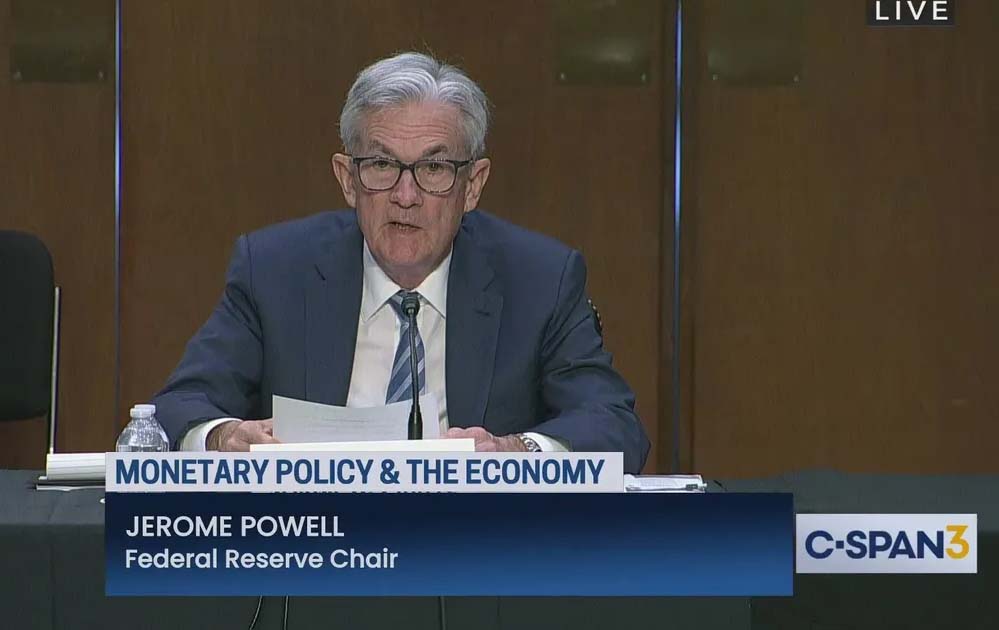
– The US Dollar experienced significant losses against major rivals after the Federal Reserve left the interest rate unchanged and due to Chairman Jerome Powell’s comments on the policy outlook.
– Investors are awaiting the Bank of England’s policy announcements and S&P Global PMI data for Germany, the Euro area, the UK, and the US.
– The US economic docket will include weekly Initial Jobless Claims and Existing Home Sales data for February.
– The Federal Reserve’s Summary of Projections indicates a total of 75 basis points reduction in the policy rate expected in 2024.
– Chairman Powell noted high inflation numbers in January and February but attributed them to seasonal effects, suggesting they do not alter the disinflation narrative.
– Following the Federal Reserve event, the 10-year US Treasury bond yield approached 4.25%, Wall Street indexes rallied, and the USD Index dropped nearly 0.5%, ending a four-day winning streak.
– In Asian trading, Australian unemployment decreased to 3.7% in February, better than the expected 4%, and employment rose by 116,500, significantly above the anticipated 40,000.
– The AUDUSD pair saw gains, rising more than 0.5% above 0.6620.
– The USDJPY pair experienced fluctuations, with a notable correction below 150.50 before regaining momentum.
– The Bank of England is anticipated to maintain the policy rate at 5.25%, with market participants looking for indications on policy direction following soft UK inflation data.
– The GBPUSD rose 0.5%, trading near 1.2800.
– Gold reached a new all-time high of ,222 before retreating toward ,200.
– The EURUSD pair rallied above 1.0900, trading slightly below 1.0950.

Norway keeps interest rate on hold, eyes September cut

Norway keeps interest rate on hold, eyes September cut

Norway’s central bank maintained its benchmark interest rate at 4.50 percent, a 16-year high, and signaled a plan for a single rate cut within the year, which is fewer than most economists anticipated. Governor Ida Wolden Bache indicated a likely rate cut in autumn, possibly in September, with a potential second reduction by the end of March 2025. Following the announcement, the Norwegian crown strengthened against the euro. The forward rate curve for 2024 to 2026 remained largely unchanged, with an expected rate of 4.25 percent at the end of the current year. Norges Bank raised its forecast for economic growth, predicting mainland GDP growth in 2024 of 0.5 percent, up from a 0.1 percent expansion seen previously, with a 2025 estimate maintained at 1.2 percent. It expects core consumer prices to rise by 4.1 percent this year, less than the 4.8 percent previously seen. Core inflation was at 4.9 percent year-on-year in February, above the central bank’s goal of 2.0 percent.

Swiss central bank cuts rates in surprise move, getting ahead of global peers

Swiss central bank cuts rates in surprise move, getting ahead of global peers

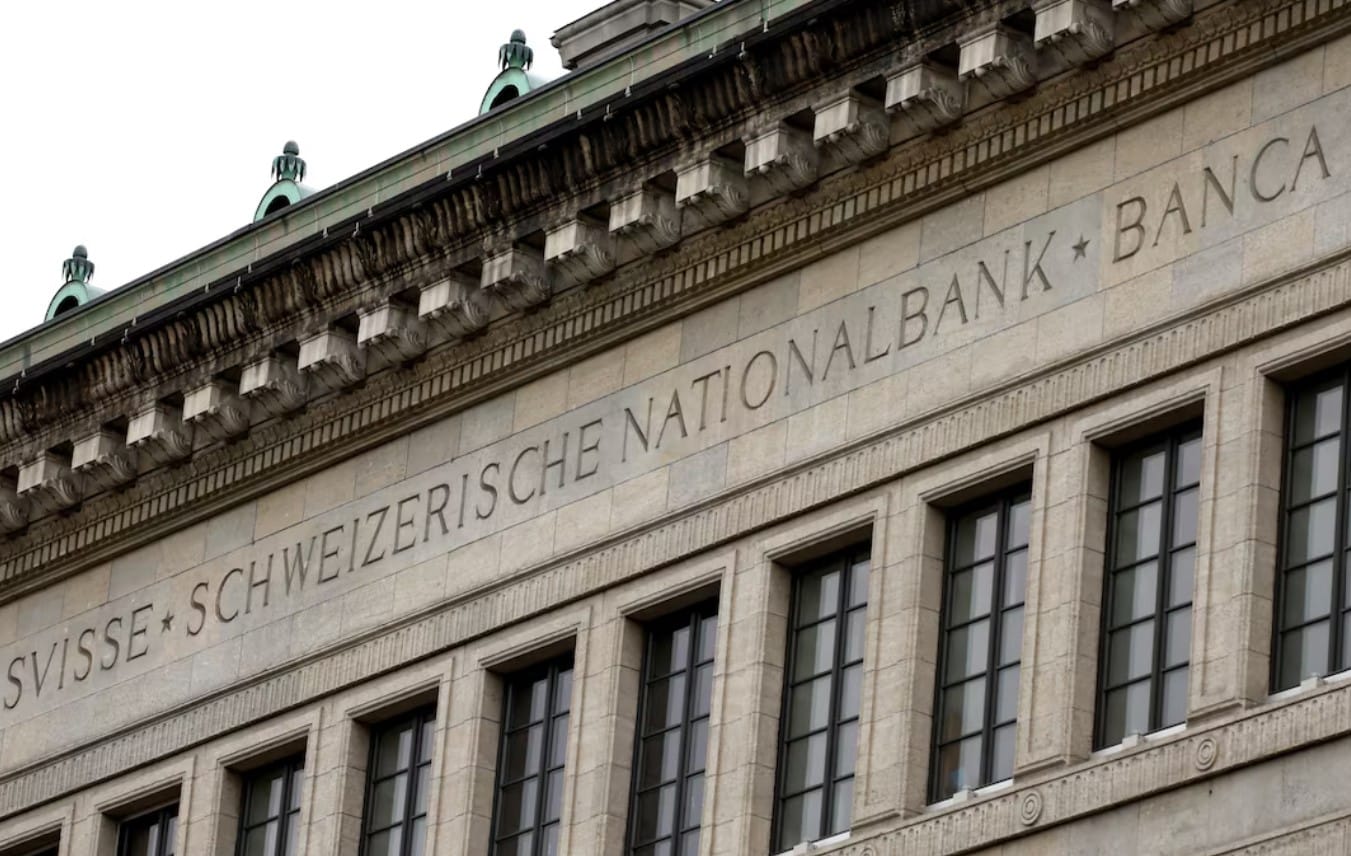
The Swiss National Bank cut its main interest rate by 25 basis points to 1.50 per cent and also reduced its interest rate on sight deposits to the same percentage. This decision marked the first rate cut in nine years and was unexpected by many, leading to a decrease in the value of the Swiss franc and a drop in Swiss government bond yields. The move was in response to a drop in Swiss inflation to 1.2 per cent in February, maintaining within the SNB’s target range of 0-2 per cent for nine consecutive months. The SNB’s action reflects its assessment that the fight against inflation over the past two and a half years has been effective, with expectations that inflation will remain within the target range in the coming years. This decision came before the chairman, Thomas Jordan, is set to step down in September.

President optimistic for Gaza humanitarian aid progress

President optimistic for Gaza humanitarian aid progress

President Christodoulides is optimistic about the outcomes of the European Council summit, focusing on a ceasefire in Gaza and increasing humanitarian assistance. UN Secretary-General Antonio Guterres supports Cyprus’s “Amalthea” humanitarian corridor initiative. A conference in Cyprus, attended by 36 states including 23 EU countries, all G7 nations, and the United Nations, discussed technical details of the initiative and a fund to increase humanitarian aid to Gaza. The Netherlands will contribute €10 million, and the EU will initially donate around €70 million to this fund. President Christodoulides plans to meet with the UN Secretary-General to discuss Cyprus’s initiative and the Cyprus problem. He emphasizes the EU’s role in resuming negotiations with Turkey and affirms Cyprus’s readiness to prepare a second ship for the humanitarian corridor, which complements other corridors. Cyprus seeks positive outcomes and references to Euro-Turkish relations based on developments in the Cyprus problem.

Pound tumbles, gilts rally after BoE nods at rate cut ahead

Pound tumbles, gilts rally after BoE nods at rate cut ahead

– The Bank of England (BoE) kept its benchmark interest rate at 5.25%, the highest since 2008.
– The decision followed data showing inflation fell to its lowest in almost two-and-a-half years but remained high.
– After the BoE’s decision, the pound fell by as much as 0.48% to a session low of .2726 and was down 0.3% against the euro at 85.63.
– Two-year gilt yields dropped by as much as 12.8 basis points to 4.103%.
– The BoE’s interest rate-setters voted 8-1 to keep borrowing costs at 5.25%.
– Britain’s headline inflation rate fell to 3.4% in February from 4.0% in January, the highest in the Group of Seven.
– Money markets were pricing a 75% chance of a BoE rate cut in June after the decision.
– The Swiss National Bank delivered a surprise quarter-point rate cut, the first major central bank to dial back tighter monetary policy aimed at tackling inflation.
– The Bank of Japan raised rates for the first time in 17 years, and the Federal Reserve indicated it might cut rates three times this year.
– A survey showed British businesses continued to recover from recession, with inflationary pressures persisting.

Cyprus banks to maintain stability, but lower profits, says Moody, ’s

Cyprus banks to maintain stability, but lower profits, says Moody, ’s

– Risks associated with loans for Cypriot banks are expected to decrease due to economic growth, declining inflation, and unemployment rates.
– Moody’s predicts a decline in bank profits from recent highs.
– A gradual decrease in net interest margins is anticipated due to rising deposit costs and falling interest rates, influenced by competition and high levels of private sector debt.
– Stricter loan criteria and loan restructuring efforts are improving loan quality and reducing problematic loans.
– Asset quality risks from foreclosed properties are diminishing, supported by a strong real estate market.
– The banking sector in Cyprus is characterized by a low loan-to-deposit ratio and ample liquidity reserves.
– Cyprus’ GDP is forecasted to grow by 2.8% in 2024 and 3.2% in 2025-27, outpacing the euro area by 0.8% in 2024.
– Economic growth is supported by diversification in the services sector and significant foreign direct investment projects.
– Moderate growth in the loan portfolio is expected due to the banking system’s saturation, high private sector debt, and elevated interest rates.
– Monetary policy is expected to remain restrictive, even with interest rate reductions by the European Central Bank.
– The NPE ratio is expected to decrease below 3% this year.
– The proportion of foreclosed assets relative to bank equity is decreasing, supported by the real estate market.
– Capital risks are declining, with banks completing risk release and balance sheet restructuring.
– The Common Equity Tier 1 ratio for assessed banks increased to 18.8% at the end of 2023.
– Moody’s assessment focuses on Cyprus’ two largest domestic banks, Bank of Cyprus and Hellenic Bank, which represent a significant portion of the banking system’s assets.
– The weighted average Baseline Credit Assessment of the two major banks is ba2, with a weighted average asset-based deposit rating of Baa3.

Wales lucky to have Ramsey in reserve, says Davies

Wales lucky to have Ramsey in reserve, says Davies

Wales’ stand-in captain Ben Davies stated that having Aaron Ramsey on the bench for the Euro 2024 playoff semi-final against Finland is a significant advantage as they aim to qualify for the finals. Wales must defeat Finland in Cardiff and then either Poland or Estonia on March 26 to qualify for the tournament. Despite being favorites, Davies described the match against Finland as a challenging test. Aaron Ramsey, usually the Welsh captain, has recently returned from injury and has had limited playtime with Cardiff City, meaning his participation will likely be as a substitute. Davies praised Ramsey’s potential impact on the game. Wales has previously lost twice at home to Finland, in a friendly and a World Cup qualifier in 2009, with their last encounter in 2021 ending in a 0-0 draw in a friendly. Coach Robert Page highlighted the importance of Ramsey’s experience for the younger players in the squad.