Decline in business loans continued in late 2023, CBC says

Decline in business loans continued in late 2023, CBC says

Fact: Cyprus saw a decrease in net demand for new business loans in the final quarter of 2023, continuing a downward trend observed since the first quarter of 2022, albeit to a lesser extent than originally expected.

Fed posts record loss of $114.3 billion in 2023

Fed posts record loss of $114.3 billion in 2023

The Federal Reserve reported a record loss of 4.3 billion in 2023, mainly due to expenses related to managing the US central bank’s short-term interest rate target.

Russians lower flags, lay flowers to honour concert hall attack victims

Russians lower flags, lay flowers to honour concert hall attack victims

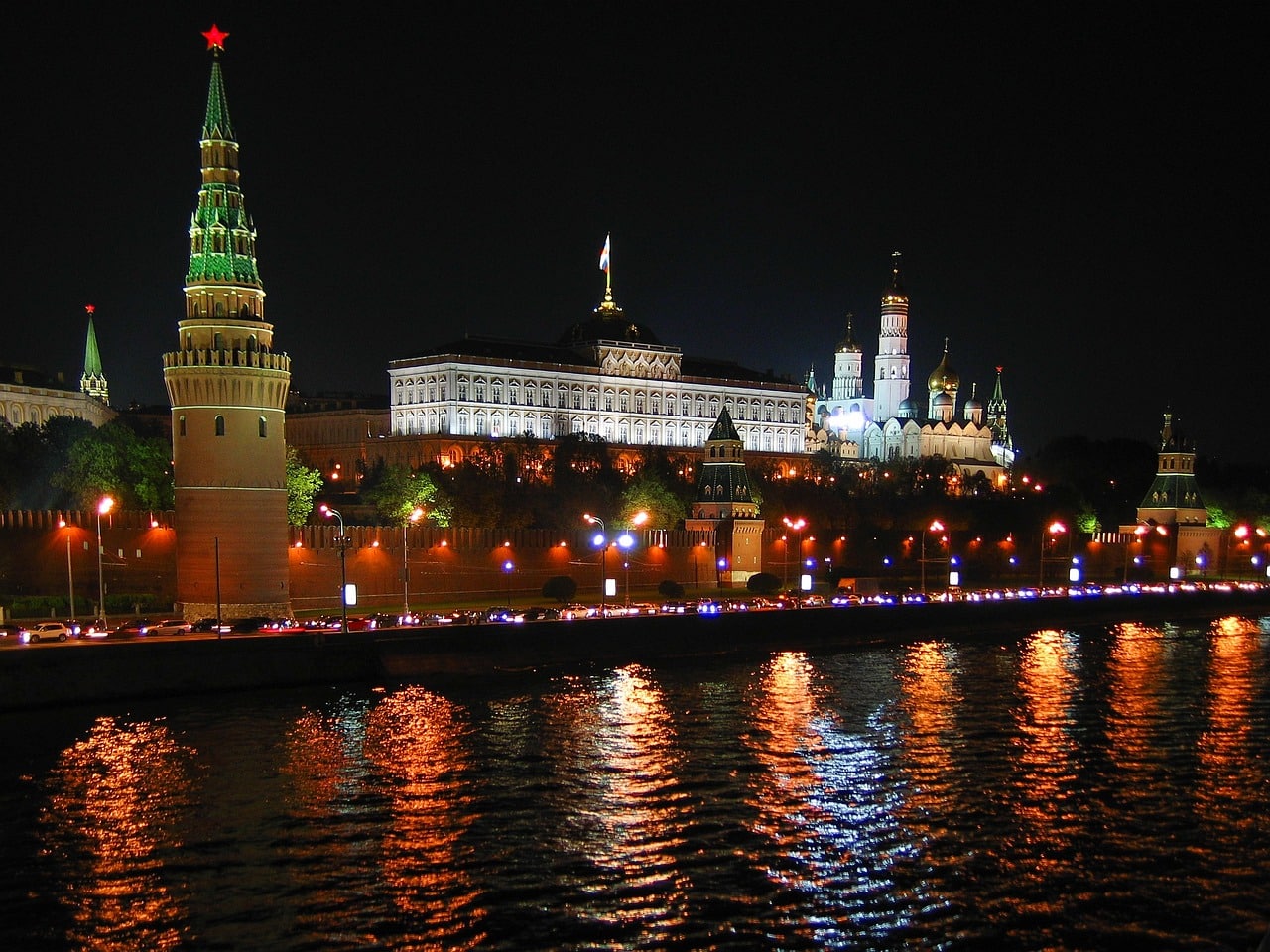
Russia observed a day of mourning with flags at half-mast after an attack at a rock concert outside Moscow resulted in 137 deaths, including three children, and 180 injuries. President Vladimir Putin declared the national day of mourning and promised to find and punish those responsible for the attack, which Islamic State claimed responsibility for. Over 100 people remained hospitalized, some in serious condition. Putin lit a candle in memory of the victims and expressed condolences in a national address. The attackers, who had attempted to flee to Ukraine, were said by Putin to have had assistance from the Ukrainian side, a claim Ukraine denied. The attack took place at Crocus City Hall during a performance by the rock group Picnic. It was the deadliest attack on Russian soil since the 2004 Beslan school siege. In response to the tragedy, Moscow residents formed long lines to donate blood, and billboards across the city displayed mourning messages. Countries worldwide expressed horror and condolences. Putin mentioned that 11 people had been detained in connection with the attack, including the suspected gunmen. The Federal Security Service (FSB) stated the gunmen had contacts in Ukraine. The U.S. shared information with Russia about a planned attack in Moscow earlier in the month, emphasizing that Islamic State bore sole responsibility for the attack and denying any Ukrainian involvement.

Cyprus banks: interest rate policies harming borrowers and savers

Cyprus banks: interest rate policies harming borrowers and savers

By December 2023, interest rates on Cyprus bank loans for house purchases had reached an average of 5.1%, compared with the average rate of 3.8% for other euro area countries. The average interest rate on Cyprus bank loans to corporations was 5.7% in December 2023, exceeding the euro area average of 5.1%. Cyprus banks had increased their profits by 600% to over €1.1 billion in 2023. The interest income of the two largest banks increased by €830 million between 2022 and 2023, mainly due to higher interest receipts from the ECB. Cyprus banks deposited around 35% of their assets at the ECB, earning from 2% to 4% in interest in 2023. Cyprus banks offered an average interest rate of 2.06% on fixed term deposits in January 2024, compared with an average deposit rate of 3.21% in the euro area. The net interest margins for Cyprus banks exceeded three percentage points, while the average for the euro area was just over one percentage point. The Bank of Cyprus announced that €112 million of their after-tax profit of €487 million would be distributed as cash dividends to shareholders, with a share buyback of up to €25 million.

Russia warns Western banks of catastrophic consequences over asset confiscation

Russia warns Western banks of catastrophic consequences over asset confiscation

The Kremlin warned of “catastrophic consequences” if the EU proceeds with plans to confiscate Russian assets. Western banks are lobbying against EU proposals to redistribute billions of euros in interest earned on frozen Russian assets due to fears of costly litigation. EU leaders agreed to work on a plan to use up to 3 billion euros a year to supply arms to Ukraine, funded by the interest from these frozen assets. Kremlin spokesman Dmitry Peskov stated that the assets belong to their owners and warned of serious consequences for banks and the European economy if such expropriations occur.

Western banks warn of risks in EU plan to grab Russian assets, sources say

Western banks warn of risks in EU plan to grab Russian assets, sources say

Western banks are lobbying against EU proposals to redistribute billions of euros in interest earned on frozen Russian assets due to fears of costly litigation. EU leaders have agreed to work on a plan to use up to 3 billion euros a year to supply arms to Ukraine, funded by the interest from these assets. Banks are concerned about potential liability from Russia, the erosion of trust in the western banking system, and the legal implications of transferring money to Ukraine. Euroclear holds 190 billion euros of Russian central bank securities and cash, and more than 3.5 million Russians have frozen assets abroad worth around 1.5 trillion roubles. The EU plan includes paying a fee to Euroclear and allowing it to retain 10% of the profits as a safeguard against litigation. Ninety percent of the seized cash would be used to buy arms for Ukraine, with the rest for recovery and reconstruction. The proposal has raised concerns about the legal risks for banks and the potential for prolonged international legal disputes.

Swiss central bank cuts rates in surprise move, getting ahead of global peers

Swiss central bank cuts rates in surprise move, getting ahead of global peers

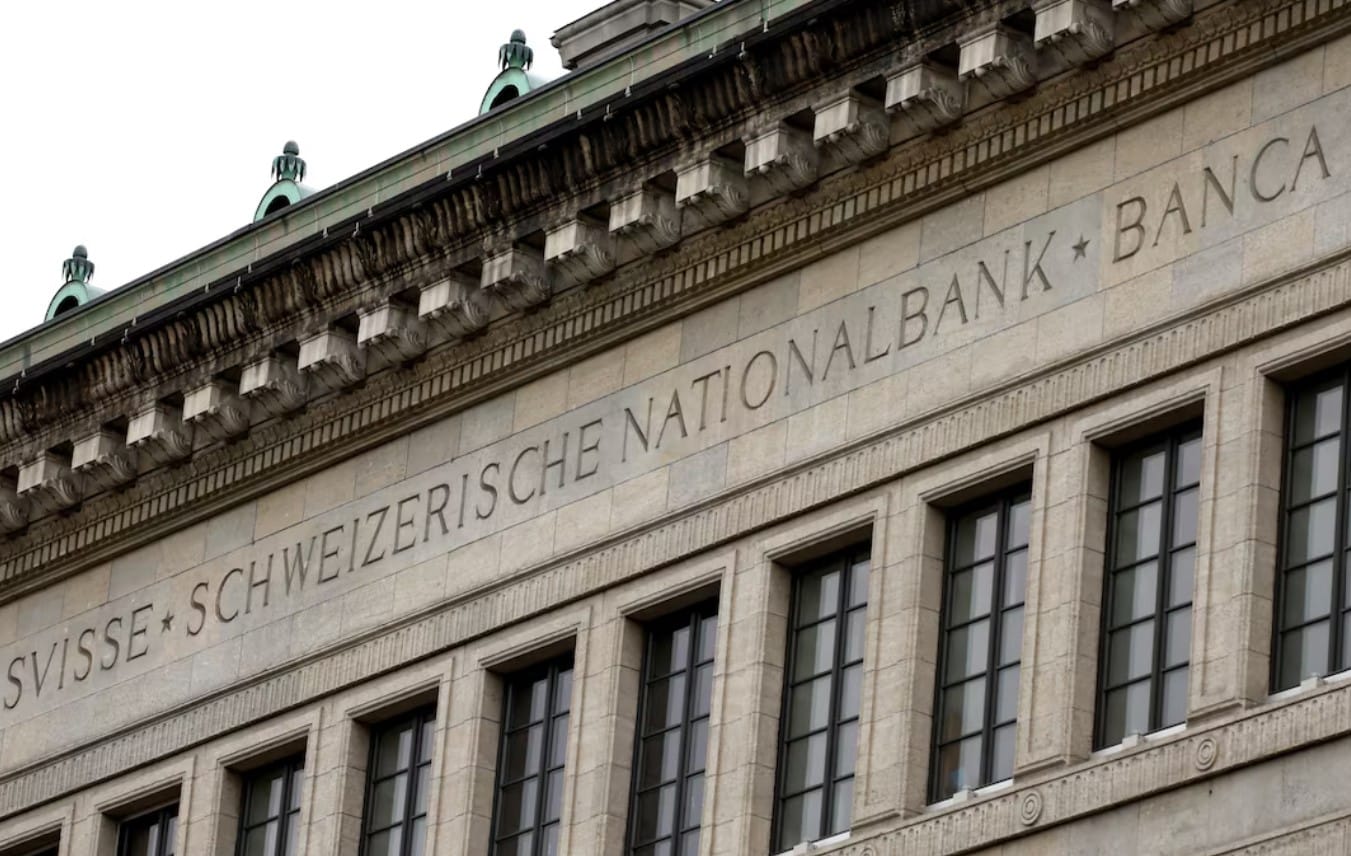
The Swiss National Bank cut its main interest rate by 25 basis points to 1.50 per cent and also reduced its interest rate on sight deposits to the same percentage. This decision marked the first rate cut in nine years and was unexpected by many, leading to a decrease in the value of the Swiss franc and a drop in Swiss government bond yields. The move was in response to a drop in Swiss inflation to 1.2 per cent in February, maintaining within the SNB’s target range of 0-2 per cent for nine consecutive months. The SNB’s action reflects its assessment that the fight against inflation over the past two and a half years has been effective, with expectations that inflation will remain within the target range in the coming years. This decision came before the chairman, Thomas Jordan, is set to step down in September.

BoE must cut rates at next meeting, says deVere CEO

BoE must cut rates at next meeting, says deVere CEO

The Bank of England left interest rates unchanged at 5.25%, a 16-year high, on Thursday. Critics and financial experts, including Nigel Green, CEO of the deVere Group, are calling for the central bank to reduce rates at their next opportunity to alleviate financial strains on businesses and households, enhance business profitability, make homeownership more accessible, boost consumer confidence and spending, and stimulate economic growth. Lower interest rates are also seen as beneficial for investors, as they tend to increase demand for risk assets like equities. Green argues that proactive rate cuts are essential to prevent economic downturns and mitigate recession risks, despite concerns that such actions could fuel inflation. He emphasizes that the Bank of England has the tools and expertise to manage inflation effectively while supporting growth through rate adjustments.

Explainer: How will the West use Russia’s frozen assets?

Explainer: How will the West use Russia’s frozen assets?

The European Union is expected to move closer to seizing profits from approximately 0 billion worth of Russian assets frozen since the invasion of Ukraine in February 2022. EU leaders aim to send confiscated money to Ukraine, facing complex legal challenges. Options include siphoning off proceeds from matured assets held mainly in Euroclear, confiscating Russian reserves under international law, issuing “reparation bonds” tied to war reparations from Russia, and arranging a syndicated loan where allies could use frozen assets to pay off loans if Moscow refuses to pay damages. The EU estimates it could send Ukraine 2.5 to 3 billion euros annually from seized profits. Belgium plans to send 1.5 billion euros to Ukraine immediately from taxed profits. Euroclear will retain a portion of the profits for operational and litigation costs. There are concerns about potential legal challenges from Russia and the impact on international asset holdings in Europe.