Microsoft to expand its AI infrastructure in Spain with $2.1 billion investment

Microsoft to expand its AI infrastructure in Spain with $2.1 billion investment

Microsoft plans to invest .1 billion in Spain over the next two years to expand its artificial intelligence (AI) and cloud infrastructure, as announced by the company’s Vice Chair and President Brad Smith. This follows a recent announcement of a €3.2 billion (.45 billion) investment in Germany for AI-focused initiatives. The investment in Spain is part of Microsoft’s ongoing commitment to the country, emphasizing support for its security, development, and the digital transformation of its government, businesses, and citizens.

The Greek debt crisis and its misconceptions

The Greek debt crisis and its misconceptions

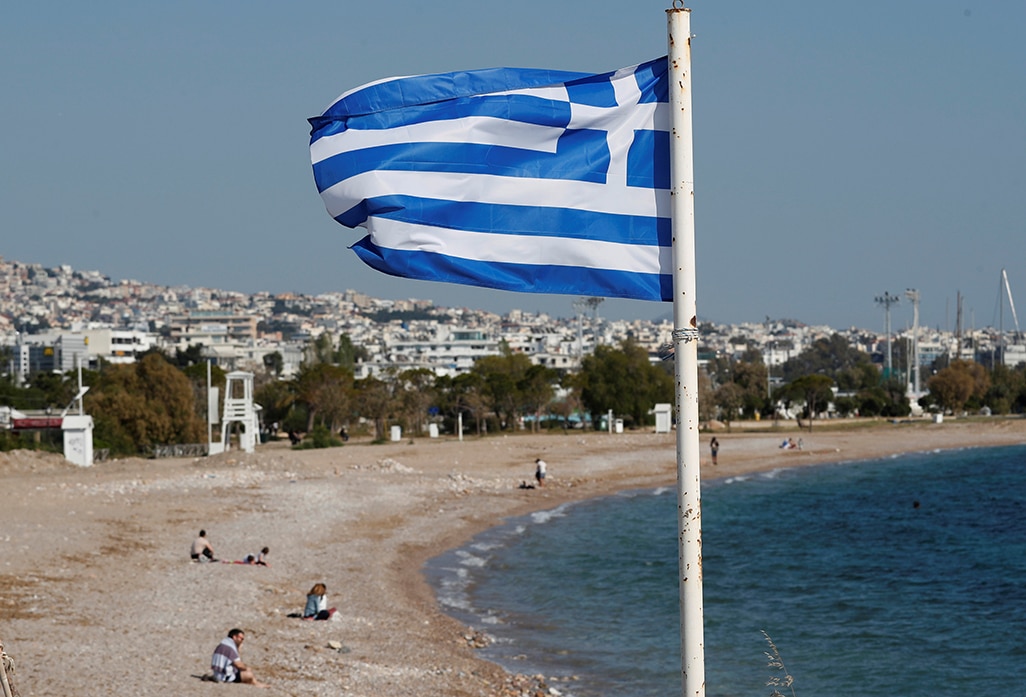
The text discusses the Greek debt crisis, highlighting inaccuracies and misconceptions in public debate. It references Nikos Garganas’ book, which outlines the crisis’s causes, including the misuse of fiscal space and increased government spending leading to significant debt. The crisis was exacerbated by the global financial crisis and Greece’s inability to find investors. The European Union initially refused a bailout, citing the ‘no bailout’ clause, but eventually provided a €110 billion Memorandum to prevent bankruptcy and potential contagion. The IMF participated despite concerns over debt sustainability. A debt restructuring, including a 53.5% bond haircut, was implemented in 2012, which, despite criticisms, was deemed necessary and led to improved debt sustainability. The text also refutes myths about the crisis, emphasizing that memoranda were a response to, not a cause of, the crisis and that debt relief alone would not have ended austerity. It concludes that understanding the crisis’s causes and implementing structural reforms are crucial for preventing future crises.

Mercedes-Benz warns geopolitics, trade tensions to weigh in 2024

Mercedes-Benz warns geopolitics, trade tensions to weigh in 2024

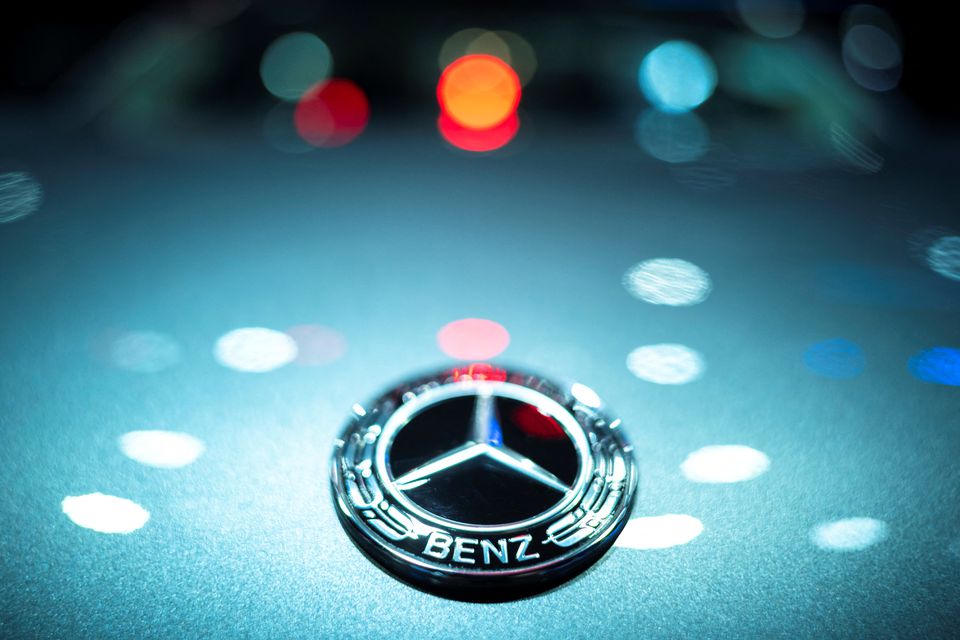
Mercedes-Benz has revised its electric vehicle (EV) demand expectations, now anticipating that electrified vehicles, including hybrids, will make up to 50% of its sales by 2030. This adjustment marks a significant shift from its earlier goal of preparing for all-electric sales by the same year, contingent on favorable market conditions. CEO Ola Kaellenius highlighted challenges such as inadequate charging infrastructure and a lack of appealing electric models as reasons for the slower transition to EVs. Consequently, Mercedes-Benz plans to continue producing combustion engine cars and update its technology into the next decade, with a refreshed lineup expected in 2027. Following this announcement, the company’s shares increased by 5.9%, further buoyed by a 3 billion euro share buyback program. Despite the automotive industry’s investment in EVs, actual demand has not met expectations, leading to increased cost-cutting pressures. Mercedes-Benz also cited slower economic growth, supply chain issues, and geopolitical tensions as factors affecting its 2024 outlook, predicting lower sales returns. For 2023, the company reported an adjusted return on sales of 12.6% in its car division, meeting its forecast despite inflation and supply chain challenges. However, it anticipates a lower adjusted return of 10-12% for cars and 12-14% for vans in 2024. Additionally, Mercedes-Benz raised its average vehicle price to 74,200 euros and increased its research and development spending, particularly on its MB.OS platform. Group earnings before interest and taxes decreased to 19.7 billion euros from 20.5 billion euros the previous year, even as revenue rose by 2%.

US achieves first moon landing in half century with private spacecraft

US achieves first moon landing in half century with private spacecraft

A spacecraft built and flown by Texas-based company Intuitive Machines successfully landed near the moon’s south pole, marking the first U.S. touchdown on the lunar surface in over fifty years and the first ever by the private sector. The landing, which took place at about 6:23 p.m. EST, involved the uncrewed six-legged robot lander named Odysseus. This event is part of NASA’s goal to send commercially flown spacecraft for scientific missions to the moon ahead of a planned return of astronauts later this decade. Initial communications issues raised concerns about the lander’s condition, but it was later confirmed that Odysseus is upright and transmitting data. The landing site is believed to be at a crater named Malapert A near the moon’s south pole. This mission represents the first controlled descent to the lunar surface by a U.S. spacecraft since Apollo 17 in 1972 and is a significant milestone under NASA’s Artemis lunar program, which aims to return astronauts to the moon and eventually conduct human flights to Mars.

Renovations begin at Kyrenia promenade

Renovations begin at Kyrenia promenade

Renovation works have started on Kyrenia’s sea promenade, as announced by the town’s mayor Murat Senkul. The renovation aims to transform the area into a special public space. The project began as renovations to the town’s old harbour are nearing completion, though some issues remain unresolved, such as the placement of restaurant tables and chairs. Deputy parliament speaker Fazilet Ozdenefe highlighted ongoing problems, including incomplete arrangements for sunshades and parasols, confusion about the project’s final version, and safety risks due to unaddressed rotten wood on the pier. A young man survived a fall caused by the rotten wood without injury. Additionally, a plan to display old rail tracks under glass has been compromised by condensation, obstructing visibility.

“I feel pity for you,” Christodoulou says after Stylianides remarks on Turkish Cyprus

“I feel pity for you,” Christodoulou says after Stylianides remarks on Turkish Cyprus

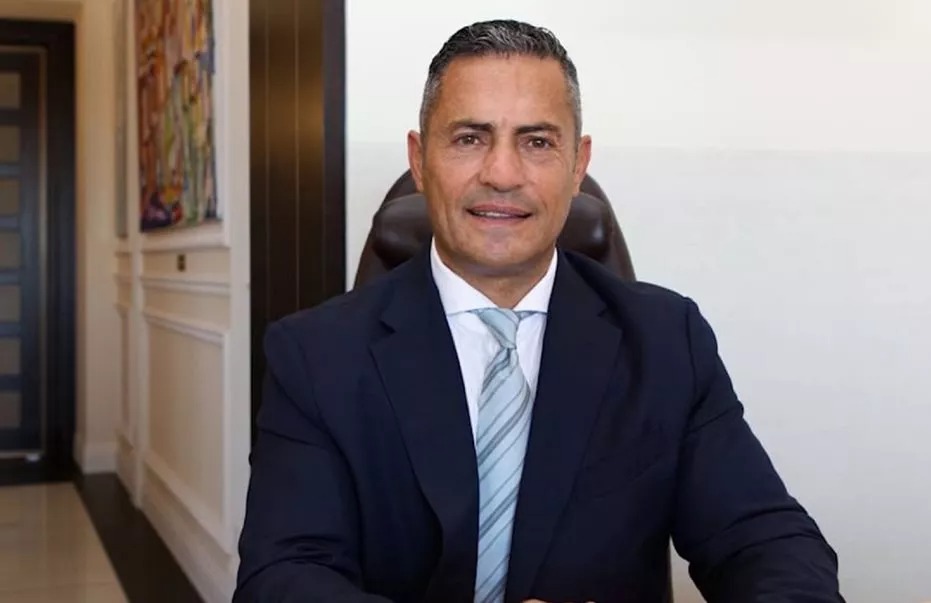
Businessman John Christodoulou criticized Cypriot Minister of Shipping Christos Stylianides for his remarks about Cyprus, stating that Cyprus needs to stay strong and expressing disappointment in Stylianides’ statement. Christodoulou also questioned Prime Minister Kyriakos Mitsotakis if Greece wants to be represented by Stylianides, referring to his words as poisoned. The controversy arose from Stylianides’ speech in the Greek Parliament where he mentioned, “Half of Cyprus is already Turkish,” and argued for prudent battles to safeguard Cypriot Hellenism, acknowledging the power dynamics. Following backlash, Stylianides clarified his position, stating his commitment to Cyprus and explaining that his statement had been expressed previously in the Cypriot Parliament without inciting reactions.

Israeli parliament backs Netanyahu’s rejection of ‘unilateral’ recognition of Palestinian state

Israeli parliament backs Netanyahu’s rejection of ‘unilateral’ recognition of Palestinian state

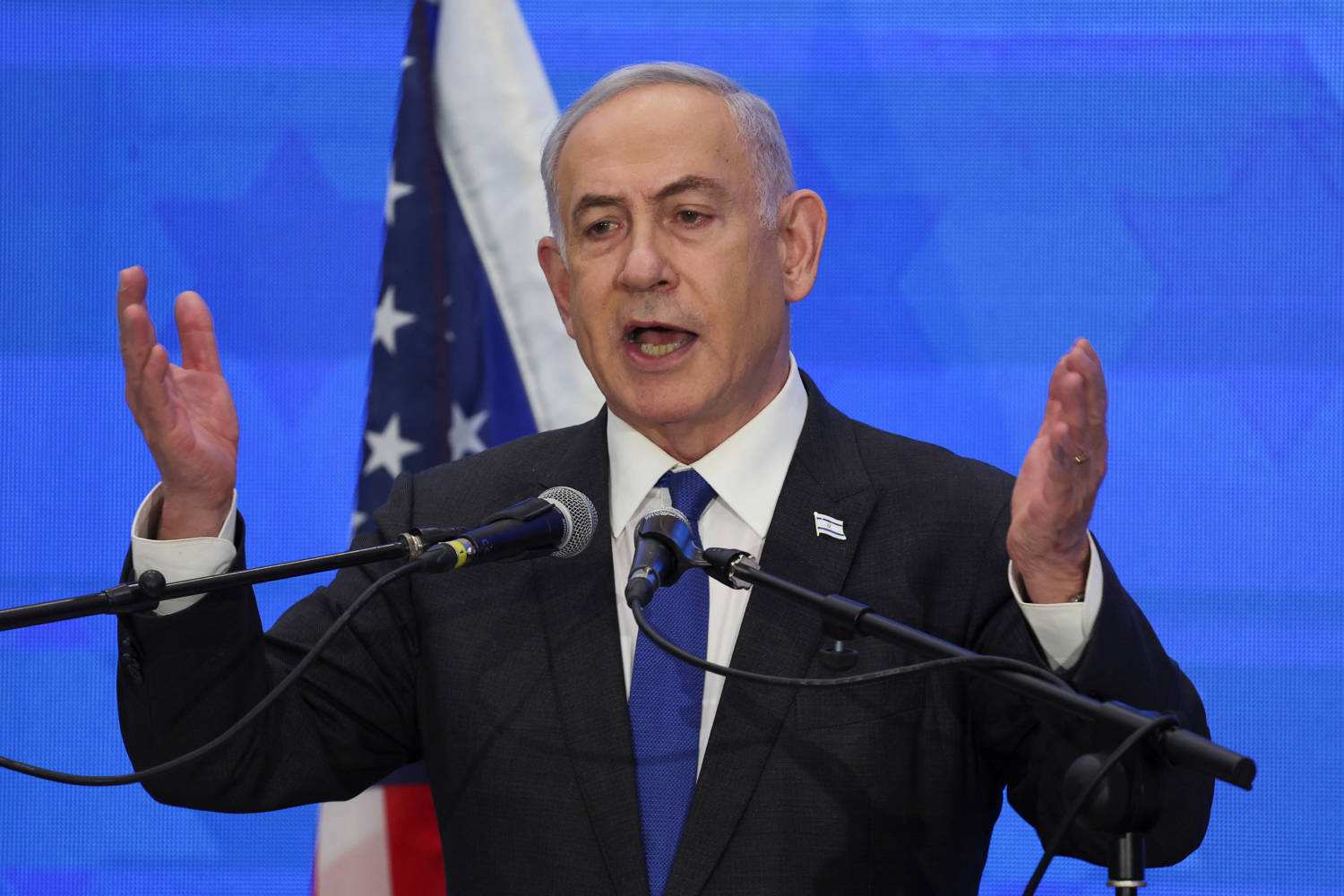
Israeli lawmakers voted to support Prime Minister Benjamin Netanyahu’s rejection of any “unilateral” recognition of a Palestinian state, amid international calls for the revival of Palestinian statehood negotiations. This vote occurred during the conflict in Gaza between Israel and Hamas. The declaration, symbolically opposing the imposition of a Palestinian state without direct negotiations, was supported by 99 of 120 Knesset members, including opposition members. Netanyahu emphasized that any permanent agreement with the Palestinians must come through direct talks, not international dictates. The Palestinian Foreign Ministry criticized the vote, asserting that the recognition of a Palestinian state by the United Nations and other nations does not need Netanyahu’s permission. Progress towards a two-state solution has been minimal since the Oslo Accords in the 1990s, with obstacles including Israeli settlements in the occupied territories, which are widely considered a violation of international law. The two-state solution remains a key Western policy goal, with recent efforts by the United States to promote steps towards Palestinian statehood as part of a broader Middle East deal involving Arab states.

Government , ‘has the will’ to implement reform

Government , ‘has the will’ to implement reform

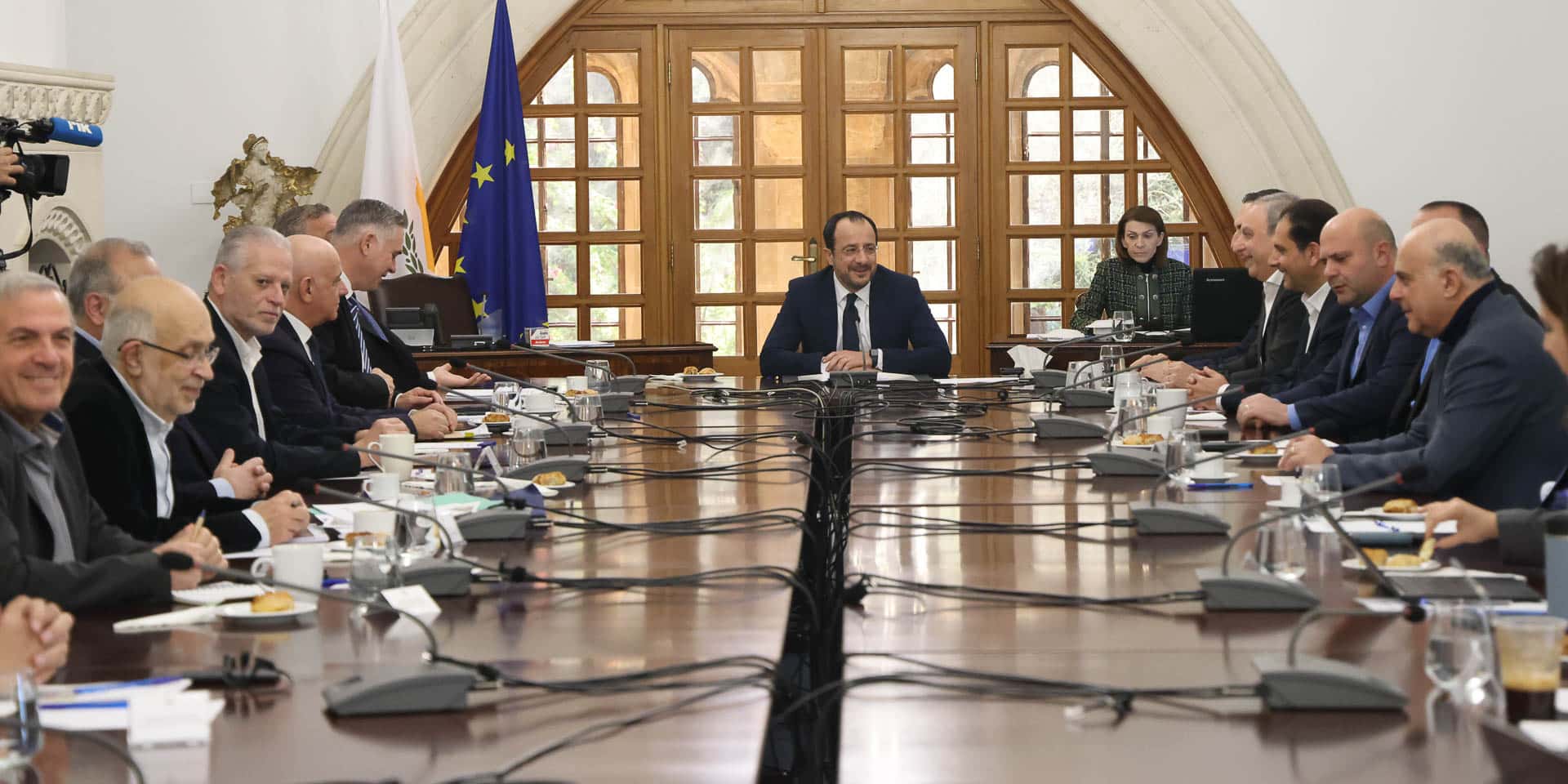
Interior Minister Constantinos Ioannou stated that challenges to the implementation of local government reform in Cyprus will be addressed with the assistance of parliament. A meeting on the issue was held with party leaders at the Presidential Palace, chaired by President Nikos Christodoulides. The government is committed to proceeding with the reform according to the existing legislation passed by the House. There are less than 100 days left until the reform’s implementation, and a road map has been prepared by the ministry.

The challenges include securing buildings for district self-governing authorities, staff training, and completing the ‘Evagoras’ data system software. The ministry’s role is supportive, particularly through the central advisory committee, assisting municipalities and elected officials with software, organizational charts, or budgets.

The president reiterated the government’s determination to implement the bill as passed. The legislation is acknowledged as not ideal, with problems identified and brought to parliament since the previous June. The ministry has hired 87 people to help simplify processes related to the reform. Concerns about the reform process exist, as is common with major reforms. The ministry cannot intervene directly to secure buildings for the reform but can pressure provisional councils. Despite not being ideal, the reform is considered better than the existing system, and the executive branch assures that it will implement the legislation as passed.

Lifeguards protest for permanent positions, beach safety

Lifeguards protest for permanent positions, beach safety

Around 150 professional lifeguards from across Cyprus protested outside the interior ministry, demanding more permanent positions, the implementation of the national plan ‘Salamis’, and the creation of a central beach service. They highlighted the lack of proper equipment, such as life belts, first aid kits, and defibrillators, and the need for improved lifeguard towers and regular servicing of equipment. The lifeguards also reported being understaffed and expressed concerns about the uncertainty of contract durations. They emphasized the need for year-round staffing, not just during the summer months, and pointed out that in cities like Paphos, Limassol, and Larnaca, there are only a few permanent lifeguard positions.

Patrina Taramidou, the interior ministry’s EU policy chief, engaged with the protesters and promised to initiate a dialogue after discussing their demands with the minister of the interior and the ministry’s general director. The ministry had previously issued a statement saying it was evaluating the lifeguard protection system and considering managing it through a central body. Until a decision is made, the ministry suggested meeting needs through existing permanent posts and extending the employment months for seasonal lifeguards.

Labour unions Sek and Peo supported the lifeguards’ protest. Sek general secretary Giorgos Constantinou criticized the ministry for delaying the implementation of decisions and not advancing the Salamis plan, which he said affects the safety of bathers and lifeguards. He argued that the state does not properly staff public beaches, despite imposing penalties for public swimming pools without lifeguards. Constantinou also stated that establishing a single beach security service, as proposed in the Salamis plan, could resolve these issues.

Peo general secretary Michalis Archontides echoed these sentiments, noting that beaches without lifeguards pose a security risk and endanger bathers’ lives. He referenced the Salamis plan, which outlines the placement of lifeguard towers, staffing requirements, and rescue times to improve safety and potentially save lives.

Lifeguards protest for permanent positions, beach safety

Lifeguards protest for permanent positions, beach safety

Around 150 professional lifeguards from across Cyprus protested outside the interior ministry, demanding more permanent positions, the implementation of the national plan ‘Salamis’, and the creation of a central beach service. They highlighted a lack of proper equipment such as life belts, first aid kits, and defibrillators, as well as the need for improved lifeguard towers and regular equipment servicing. The lifeguards also reported being understaffed and faced uncertainty regarding the duration of their contracts. They called for year-round staffing of beaches, noting that some cities have only a few permanent lifeguard positions.

Patrina Taramidou, the EU policy chief of the interior ministry, promised to initiate a dialogue with the lifeguards after discussing their demands with the interior minister and the ministry’s general director. The ministry previously stated it is evaluating the lifeguard protection system and considering managing it through a central body. Until a decision is made, the ministry suggested meeting needs through existing permanent posts and extending seasonal lifeguards’ employment duration.

Labour unions Sek and Peo supported the lifeguards. Sek general secretary Giorgos Constantinou criticized the ministry for delaying the implementation of decisions and the Salamis plan, emphasizing the safety implications for bathers and lifeguards. He suggested that a single beach security service could resolve the operational issues. Peo general secretary Michalis Archontides highlighted the security risks at beaches without lifeguards, referencing the Salamis plan’s guidelines for lifeguard tower placement, staffing, and rescue times.