UK economy went into recession last year, data confirms

UK economy went into recession last year, data confirms

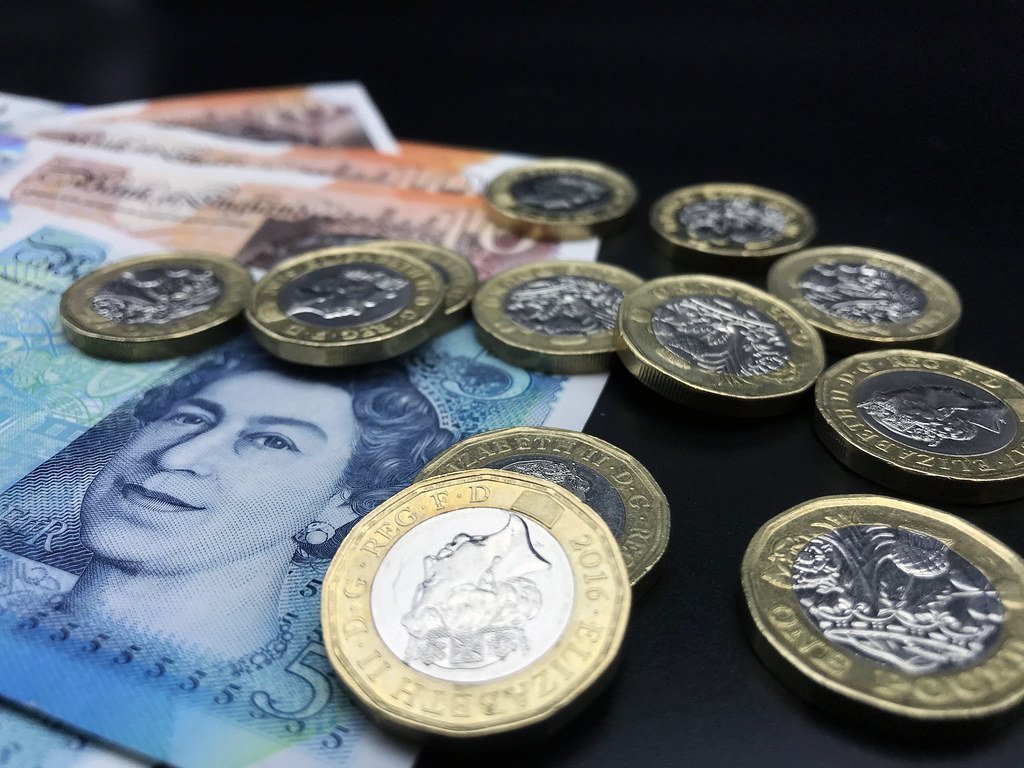
Britain’s economy entered a shallow recession last year, with GDP shrinking by 0.1% in the third quarter and 0.3% in the fourth. The economy is expected to grow by just 0.25% this year, with inflation moving towards the point where the Bank of England can start cutting rates. Household real disposable income grew by 0.7%, prompting consumers to potentially increase spending and support the economy. The current account deficit in the fourth quarter was 21.18 billion pounds, equivalent to 3.1% of GDP.

WTI turns red near $81.50 on hawkish Fed comments

WTI turns red near $81.50 on hawkish Fed comments

– WTI is trading around .50 on Wednesday
– US Dollar recovery and surprise jump in U.S. crude and gasoline stocks are affecting WTI prices
– Fed Governor Christopher Waller’s hawkish comments are impacting the Greenback
– US crude oil inventories rose by 3.165 million barrels
– Geopolitical tensions in the Middle East and Russia-Ukraine war could tighten worldwide supply
– OPEC+ decided to extend output cuts until the end of June
– Oil traders will watch US GDP and PCE Price Index data for market direction

Turkey opposition aims to hit back at Erdogan in local elections

Turkey opposition aims to hit back at Erdogan in local elections

The content discusses the upcoming local elections in Turkey, with a focus on the close race between Istanbul Mayor Ekrem Imamoglu and the AKP candidate, former minister Murat Kurum. The outcome of the elections could reinforce President Erdogan’s control or signal change in Turkey’s political landscape. The economy, Kurdish and Islamist voters, and Erdogan’s rhetoric against Israel are factors influencing the voters’ decisions. Imamoglu’s victory could revitalize the opposition, while Erdogan aims to extend his power to local administrations.

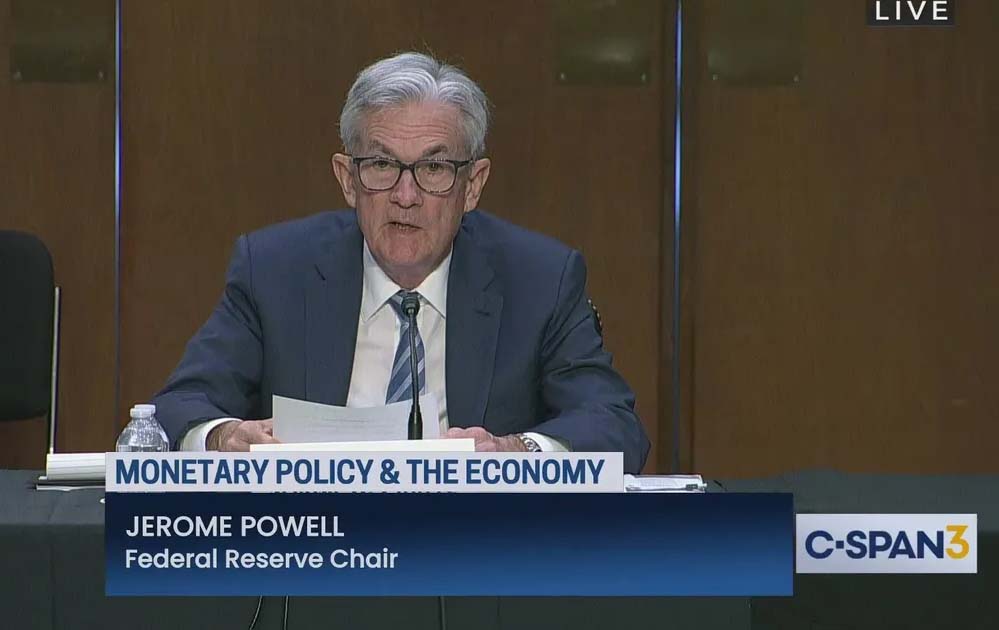
Fed posts record loss of $114.3 billion in 2023

Fed posts record loss of $114.3 billion in 2023

The Federal Reserve reported a record loss of 4.3 billion in 2023, mainly due to expenses related to managing the US central bank’s short-term interest rate target.

Sterling hovers near one-month low on rate cut bets

Sterling hovers near one-month low on rate cut bets

– The pound was stable on Monday, close to its lowest level in a month, due to increased bets that the Bank of England (BoE) will cut interest rates in June.
– Sterling was flat at .2608, near the one-month low of .2576 from the previous Friday.
– The euro was slightly changed against the pound at 85.79 pence, down from a two-month high of 86.02 pence on Friday.
– The pound fell approximately 1% against the dollar last week after the BoE maintained interest rates at 5.25% and Governor Bailey indicated that inflation is trending towards allowing for interest rate cuts.
– Bailey’s comments to the Financial Times about rate cuts being “in play” this year further decreased the pound’s value.
– Market traders now estimate a roughly 75% chance of a BoE rate cut by June, an increase from about 35% at the beginning of the previous week, influenced by data showing faster-than-expected inflation decline.
– Chris Turner from ING suggested that the BoE’s dovish communications could lead to the euro rising to 87 pence against the pound in the next month.
– In contrast, stronger-than-expected U.S. economic and inflation data has led to reduced expectations for a Federal Reserve rate cut in June, enhancing the appeal of American bonds and supporting the dollar.
– The dollar index was approximately flat at 104.38 on Monday, after a 1% increase the previous week.

Cyprus banks: interest rate policies harming borrowers and savers

Cyprus banks: interest rate policies harming borrowers and savers

By December 2023, interest rates on Cyprus bank loans for house purchases had reached an average of 5.1%, compared with the average rate of 3.8% for other euro area countries. The average interest rate on Cyprus bank loans to corporations was 5.7% in December 2023, exceeding the euro area average of 5.1%. Cyprus banks had increased their profits by 600% to over €1.1 billion in 2023. The interest income of the two largest banks increased by €830 million between 2022 and 2023, mainly due to higher interest receipts from the ECB. Cyprus banks deposited around 35% of their assets at the ECB, earning from 2% to 4% in interest in 2023. Cyprus banks offered an average interest rate of 2.06% on fixed term deposits in January 2024, compared with an average deposit rate of 3.21% in the euro area. The net interest margins for Cyprus banks exceeded three percentage points, while the average for the euro area was just over one percentage point. The Bank of Cyprus announced that €112 million of their after-tax profit of €487 million would be distributed as cash dividends to shareholders, with a share buyback of up to €25 million.

Dollar struggles to find demand in Fed aftermath

Dollar struggles to find demand in Fed aftermath

– The US Dollar experienced significant losses against major rivals after the Federal Reserve left the interest rate unchanged and due to Chairman Jerome Powell’s comments on the policy outlook.
– Investors are awaiting the Bank of England’s policy announcements and S&P Global PMI data for Germany, the Euro area, the UK, and the US.
– The US economic docket will include weekly Initial Jobless Claims and Existing Home Sales data for February.
– The Federal Reserve’s Summary of Projections indicates a total of 75 basis points reduction in the policy rate expected in 2024.
– Chairman Powell noted high inflation numbers in January and February but attributed them to seasonal effects, suggesting they do not alter the disinflation narrative.
– Following the Federal Reserve event, the 10-year US Treasury bond yield approached 4.25%, Wall Street indexes rallied, and the USD Index dropped nearly 0.5%, ending a four-day winning streak.
– In Asian trading, Australian unemployment decreased to 3.7% in February, better than the expected 4%, and employment rose by 116,500, significantly above the anticipated 40,000.
– The AUDUSD pair saw gains, rising more than 0.5% above 0.6620.
– The USDJPY pair experienced fluctuations, with a notable correction below 150.50 before regaining momentum.
– The Bank of England is anticipated to maintain the policy rate at 5.25%, with market participants looking for indications on policy direction following soft UK inflation data.
– The GBPUSD rose 0.5%, trading near 1.2800.
– Gold reached a new all-time high of ,222 before retreating toward ,200.
– The EURUSD pair rallied above 1.0900, trading slightly below 1.0950.
Norway keeps interest rate on hold, eyes September cut

Norway keeps interest rate on hold, eyes September cut

Norway’s central bank maintained its benchmark interest rate at 4.50 percent, a 16-year high, and signaled a plan for a single rate cut within the year, which is fewer than most economists anticipated. Governor Ida Wolden Bache indicated a likely rate cut in autumn, possibly in September, with a potential second reduction by the end of March 2025. Following the announcement, the Norwegian crown strengthened against the euro. The forward rate curve for 2024 to 2026 remained largely unchanged, with an expected rate of 4.25 percent at the end of the current year. Norges Bank raised its forecast for economic growth, predicting mainland GDP growth in 2024 of 0.5 percent, up from a 0.1 percent expansion seen previously, with a 2025 estimate maintained at 1.2 percent. It expects core consumer prices to rise by 4.1 percent this year, less than the 4.8 percent previously seen. Core inflation was at 4.9 percent year-on-year in February, above the central bank’s goal of 2.0 percent.

Swiss central bank cuts rates in surprise move, getting ahead of global peers

Swiss central bank cuts rates in surprise move, getting ahead of global peers

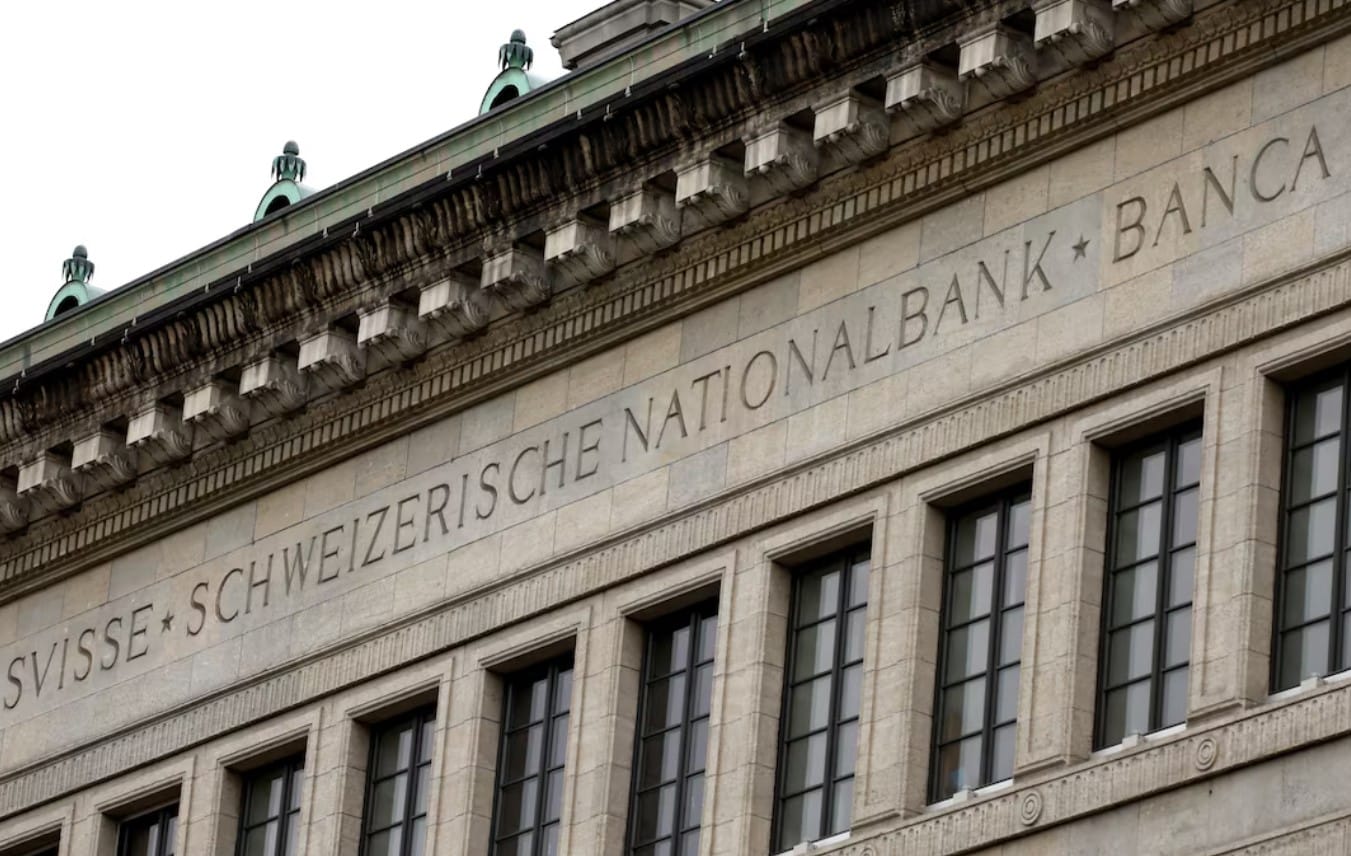
The Swiss National Bank cut its main interest rate by 25 basis points to 1.50 per cent and also reduced its interest rate on sight deposits to the same percentage. This decision marked the first rate cut in nine years and was unexpected by many, leading to a decrease in the value of the Swiss franc and a drop in Swiss government bond yields. The move was in response to a drop in Swiss inflation to 1.2 per cent in February, maintaining within the SNB’s target range of 0-2 per cent for nine consecutive months. The SNB’s action reflects its assessment that the fight against inflation over the past two and a half years has been effective, with expectations that inflation will remain within the target range in the coming years. This decision came before the chairman, Thomas Jordan, is set to step down in September.

Pound tumbles, gilts rally after BoE nods at rate cut ahead

Pound tumbles, gilts rally after BoE nods at rate cut ahead

– The Bank of England (BoE) kept its benchmark interest rate at 5.25%, the highest since 2008.
– The decision followed data showing inflation fell to its lowest in almost two-and-a-half years but remained high.
– After the BoE’s decision, the pound fell by as much as 0.48% to a session low of .2726 and was down 0.3% against the euro at 85.63.
– Two-year gilt yields dropped by as much as 12.8 basis points to 4.103%.
– The BoE’s interest rate-setters voted 8-1 to keep borrowing costs at 5.25%.
– Britain’s headline inflation rate fell to 3.4% in February from 4.0% in January, the highest in the Group of Seven.
– Money markets were pricing a 75% chance of a BoE rate cut in June after the decision.
– The Swiss National Bank delivered a surprise quarter-point rate cut, the first major central bank to dial back tighter monetary policy aimed at tackling inflation.
– The Bank of Japan raised rates for the first time in 17 years, and the Federal Reserve indicated it might cut rates three times this year.
– A survey showed British businesses continued to recover from recession, with inflationary pressures persisting.