Trump’s $4 trillion of tax cuts loom over the election
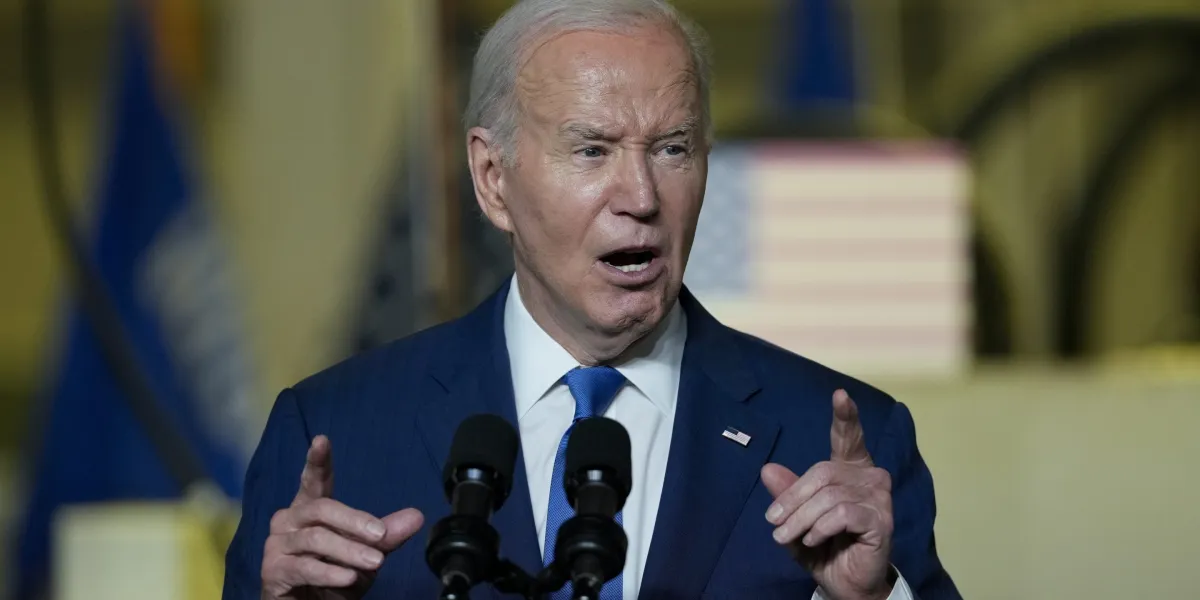
The winner of November’s presidential election will face a challenge with the expiration of nearly trillion in tax cuts next year.
The winner of November’s presidential election will face a challenge with the expiration of nearly trillion in tax cuts next year.

The text discusses the economic policies of the White House, highlighting the President’s plan to grow the economy from the middle out and bottom up. The President is committed to not raising taxes on anyone making less than 0,000 and will cut taxes further for workers and families, funded by asking corporations and the wealthy to contribute more.

Spain’s Socialists won the biggest share of the vote in Sunday’s Catalan elections, dealing a serious blow to more than a decade of separatist governance in Catalonia. The Socialists had 42 seats in the 135-seat chamber, while hardline separatist party Junts was in second place with 35 seats and the more moderate separatist party ERC had 20 seats. The result is an existential threat to separatist governance in Catalonia, which led an illegal independence referendum in 2017. Separatist parties do not have enough seats to form a coalition government, and there is a risk the vote may need to be repeated. Separatist sentiment in Catalonia has decreased, with the pro-independence movement losing energy and unity in recent years.

Catalans are voting in a regional election between an exiled separatist politician, Carles Puigdemont, and the Socialist Party led by Salvador Illa. Puigdemont, who fled Spain after a failed independence bid in 2017, is vowing to resurrect the bid if elected. Opinion polls predict a lead for the Socialists, with the possibility of forming a coalition government due to the likelihood of no party reaching a majority. If no agreement is reached by August, a repeat election would take place in October.
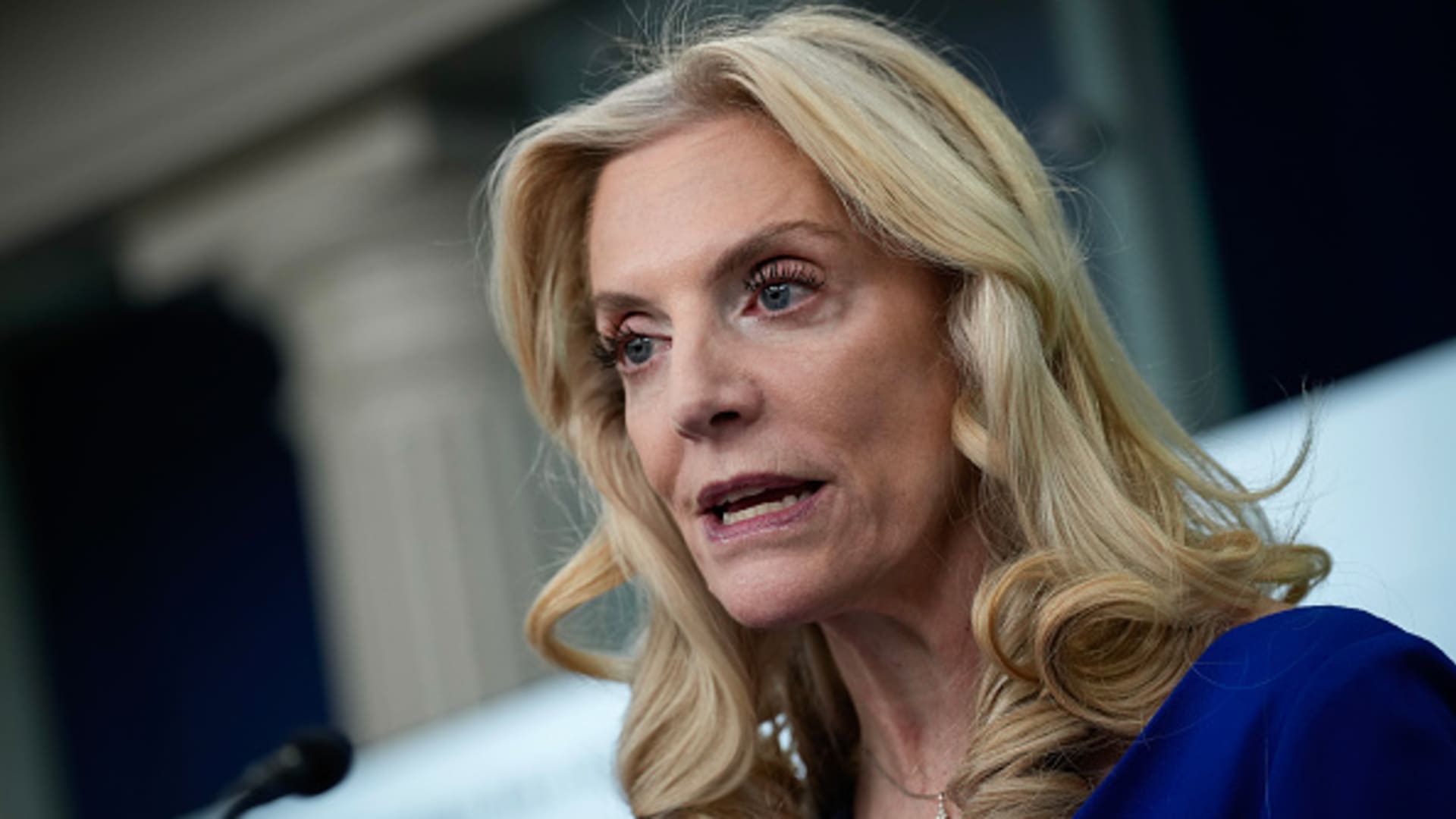
Director of the National Economic Council Lael Brainard spoke at the White House about the upcoming debate over trillions in expiring tax breaks enacted by former President Donald Trump. Several provisions from the Tax Cuts and Jobs Act of 2017 will expire after 2025 without changes from Congress, including lower federal income tax brackets, a higher standard deduction, and doubled estate and gift tax exemption. The Republicans’ tax package also permanently reduced corporate taxes. Brainard emphasized the need to end tax breaks for the ultra-wealthy and scale back costly corporate tax breaks. The debate over extending the tax breaks comes amid concerns about the national debt. Biden’s administration aims to extend provisions for middle-class Americans funded by raising taxes on the ultra-wealthy and corporations. House Republicans are studying solutions to address the upcoming tax cliff in 2025.

The winner of November’s presidential election will face a challenge with the expiration of nearly trillion in tax cuts next year. Biden’s White House is highlighting the issue and emphasizing differences with Republicans over taxes. Biden wants to raise taxes on corporations and the ultra-wealthy to support the middle class. Trump argues that tax increases would harm the economy. The 2017 tax cuts failed to deliver the promised growth. Biden wants to extend middle-class tax cuts while raising taxes on profitable companies and the richest Americans. Trump believes growth comes from choices made by companies and wealthy investors, while Biden believes it comes from spending and saving by middle-class households. Extending all of Trump’s tax cuts would add .6 trillion to budget deficits through 2034. Biden’s plan does not include the cost of extending tax cuts for those making under 0,000. Republicans may need to consider spending cuts to address the higher debt load from extending tax cuts.
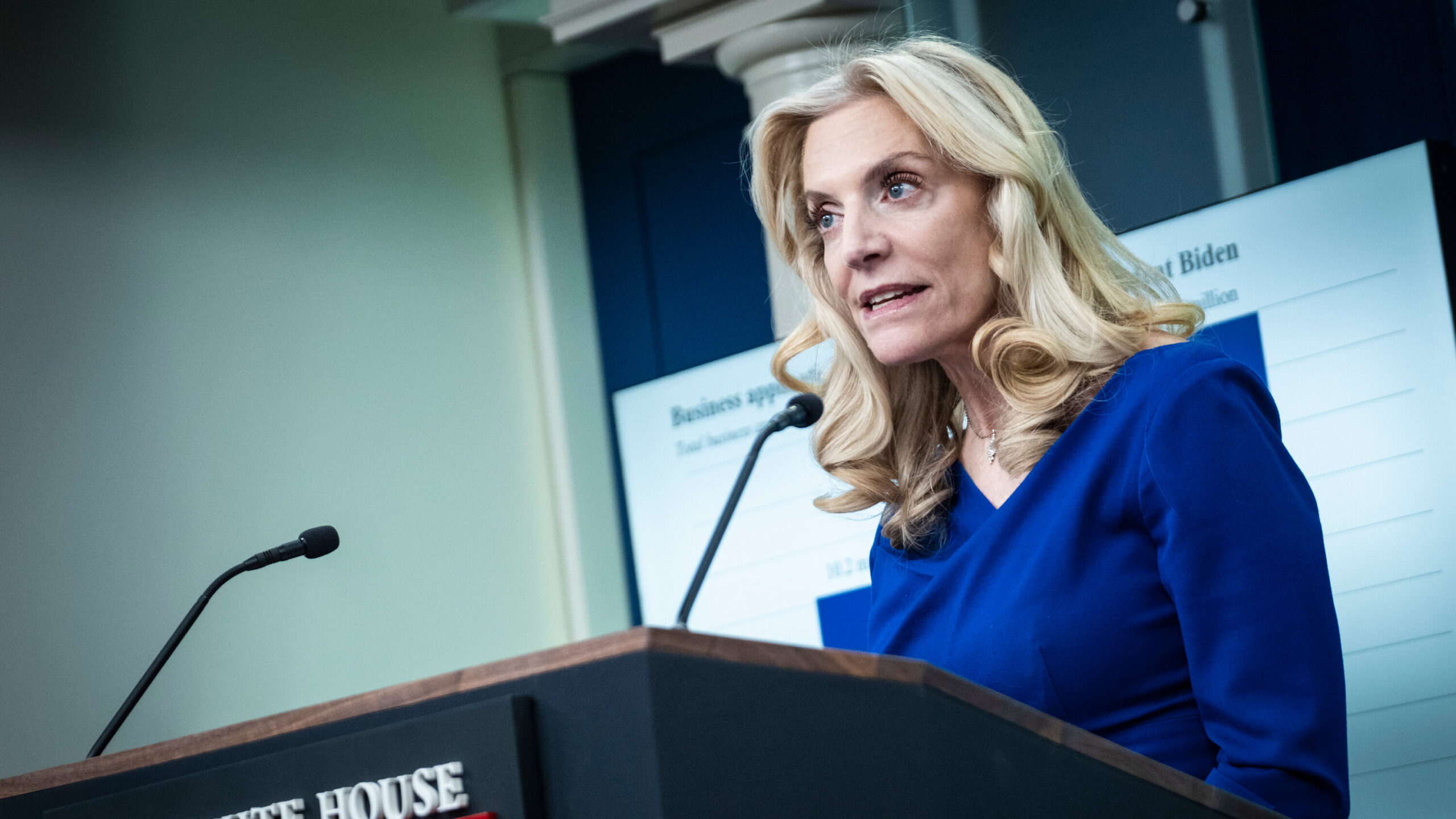
Lael Brainard, the director of the National Economic Council, suggested that lawmakers should raise taxes on companies and the wealthiest while extending the 2017 cuts for those making less than 0,000.

Fact: Lael Brainard, director of the White House National Economic Council, stated that President Biden is considering raising the corporate tax rate and increasing the federal tax on stock buybacks if he wins a second term.

– The collection of personal income tax and indirect taxes has increased, while collections from corporate taxes have reduced.
– India’s net direct tax collections grew 17.7% in 2023-24 to hit Rs.19.58 lakh crores.
– The share of corporate taxes contribution to overall tax collection dipped to 46.5% from 49.6% in 2022-23.
– Indirect taxes, including union excise duties and the Goods and Services Tax, have increased from 2010-11 onwards.
– The majority of individuals filing personal income tax have an annual income ranging from Rs 1 lakh to Rs. 5 lakh.
– India has among the highest effective personal income tax rates among BRICS economies.
– Rising share of personal income tax and indirect taxes can lead to income inequality, consumer burden, economic inefficiency, tax evasion, and macroeconomic instability.
The cost of extending the 2017 tax cuts for households, small businesses, and wealthy individuals enacted under President Donald Trump has expanded to .6 trillion, according to new estimates from Congress’ fiscal scorekeeper.