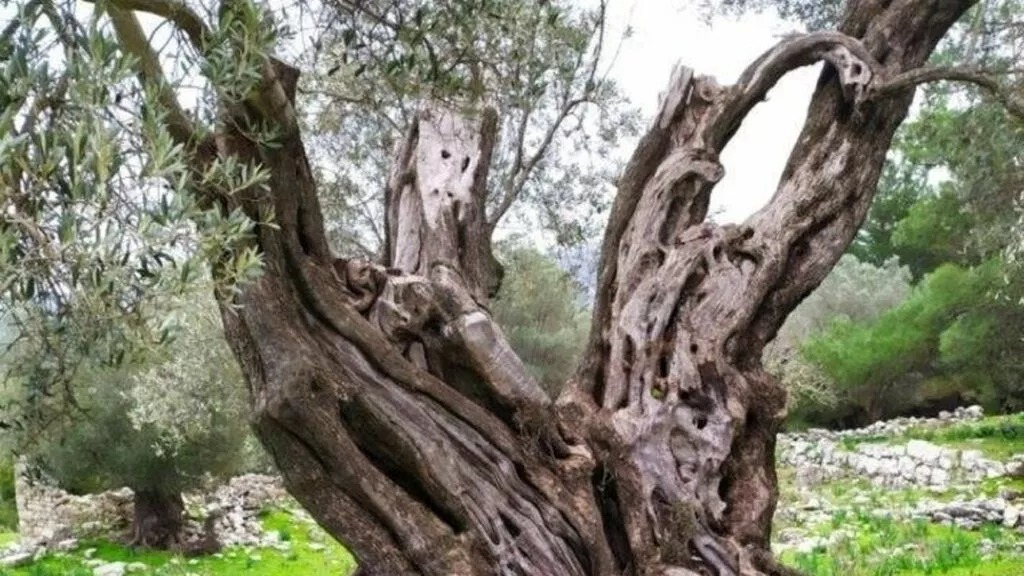
Chloraka residents are concerned over the felling of dozens of ancient trees, which were centrepieces of the area’s natural and cultural heritage. These trees are reportedly being cut down or uprooted to be used as firewood, as highlighted by the Cultural Environmental Association of Chloraka. Speaking to Phileleftheros, the group’s president, Andreas Kyriakou, described it as a “plundering of the community’s natural monuments.”Despite urgent letters sent to relevant ministries and ministers, including the Department of Forests and Urban Planning, there has been no response or interest, Kyriakou stated. However, the Department of Forests has taken up the matter and recently held a meeting at the office of the Chloraka community leader. During the meeting, there was a strong focus on documenting the remaining ancient trees, which number around 40.Immediate instructions were given by the community leader, Nicola Liasidie, to capture aerial photographs and conduct a topographic survey of the ancient trees. The gathered information will be sent to the Department of Forests and other relevant ministries. The documentation process has already started.Most of the remaining ancient trees, mainly Tremithos (Pistacia atlantica) and a few oaks and olive trees, survived the recent cutting. The Department of Forests, at the request of the Cultural Environmental Group, has initiated the process of designating the oldest Tremithos, located near the Archangel Michael chapel, which is over 600 years old.Members of the group speak of reckless actions by some individuals who “destroy what nature has created.” These legendary trees, often associated with traditions, myths, and legends, have withstood the test of time and weather conditions, providing oxygen in the face of climate change, noted the group’s president.“There is legislation based on the Forest Law for trees growing on land outside State Forests. However, it seems that the legislation is lacking in several aspects and must be modified, especially when construction permits are granted. The registration of ancient trees by competent state officials is required before licenses for development or house construction are granted. In Chloraka, for example, when we asked Urban Planning if they ever visited the areas where building permits were issued, the answer was that they could not visit the sites and conduct a survey because the staff was scarce. Permits are granted, and Urban Planning basically has no idea about the trees on each plot, and the Department of Forests cannot intervene afterwards because the state has issued the building permit,” explained Kyriakou.The ancient Tremithos were among Chloraka’s beloved and useful trees, contributing natural beauty to the village’s landscape. The fruit of the Tremithos, known as Tremithia, was collected and used to make Tremitholado, which locals used in their cooking. Moreover, Tremithia was used to make Tremithopittes, or they were spread with salt in the sun to dry and used in their diet.