‘PV for all’ supporting China, not EU
‘PV for all’ supporting China, not EU

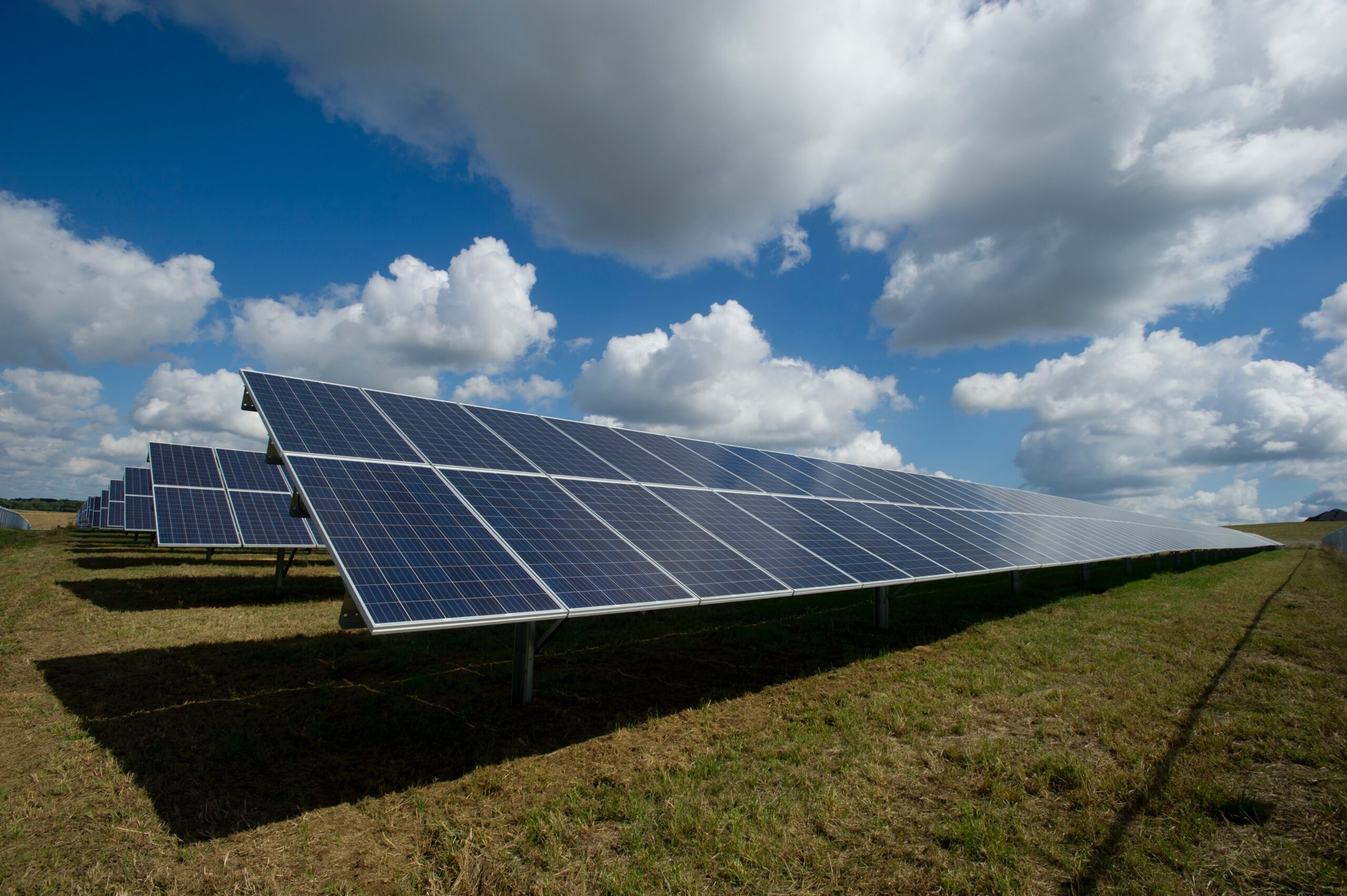
The Cyprus government’s ‘photovoltaics for all’ scheme, aimed at encouraging households to install solar energy panels to meet the EU’s climate-neutral target by 2050, has been criticized for favoring Chinese manufacturers. European solar manufacturers are considering laying off about 4,000 skilled workers due to competition from Chinese PV panel imports, which have flooded the market with cheaper options. The scheme offers no-deposit funding for up to 4kW of PV panels on 6,000 homes, primarily benefiting Chinese solar panel importers. These panels are considered to have inferior efficiency ratings and questionable durability compared to European variants, which often come with 30-year guarantees. The average cost of a kit is between 6,000 to 6,500 euros, with a grant of up to 5,000 euros provided, which is added to the consumer’s electricity bill as a no-interest loan over 4 to 5 years. There is an additional 1,500 euro grant available for those who can afford to invest directly in a PV system with their own money. However, the government is known for delayed payments to suppliers, leading some to prefer dealing directly with solar energy companies for the refund.

MiCA for cryptos by end of year, early-2025

MiCA for cryptos by end of year, early-2025

Cyprus plans to implement the Markets in Crypto-Assets (MiCA) regulation by the end of this year or early 2025, aiming to protect investors and promote transformation in the crypto asset sector in the European Union. The MiCA framework, created by the European Commission, focuses on maintaining financial stability throughout the EU. Currently, there are no safeguards at the Union level for the crypto asset market, with only individual national legislation in place. The number of crypto-asset service providers increased from seven in 2022 to 11 by the end of that year, with a total of 16 applications pending so far this year. The Chairman of the Cyprus Securities and Exchange Commission (CySEC), Dr. George Theocharides, anticipates more CASP companies will emerge once MiCA is implemented. In 2023, CySEC conducted over 700 on-site and remote thematic inspections of supervised entities, assessed compliance with prudential supervision framework limits, and monitored Cypriot Investment Firms (CIFs) affected by Russia-Ukraine sanctions. CySEC also evaluated promotional material of over 35 CIFs, conducted investigations into CIFs, and imposed administrative sanctions totaling approximately EUR 2.2 million in 2023, with a total of EUR 6 million in administrative sanctions over the last three years. Additionally, 19 cases of CIFs had their operating licenses revoked or suspended. Dr. Theocharides highlighted the importance of the upcoming MiCA regulation for crypto-asset service providers, aimed at ensuring investor protection and market integrity. He urged investors to be cautious when investing in crypto-assets due to the associated risks. Despite challenges, the capital market in Cyprus remains of significant interest, with 82 entities receiving approval in 2023 and the number of supervised entities at 830 by the end of February 2024. CySEC also participated in events promoting financial literacy and issued warnings about entities posing as CySEC officials or imitating its website.

Electric vehicle plans of Indian automakers

Electric vehicle plans of Indian automakers

India announced a reduction in import taxes on certain electric vehicles (EVs) for carmakers committing to a 0 million investment and starting domestic manufacturing within three years. This policy aims to increase competition in India’s car market, targeting a rise in EV sales from 2% to 30% by 2030. Tata Motors plans to expand its EV portfolio to 10 models in the next 3-4 years, aiming for EVs to constitute 25% of its total car sales by 2025. Mahindra and Mahindra anticipate electric models will account for 20%-30% of its SUV sales by March 2027. Hyundai Motor India intends to introduce five EV models by 2032 and increase its charging stations to 439 by 2027. Maruti Suzuki India plans to launch six EV models by 2030, with its first battery EV expected by the end of 2024. JSW Group announced a 400 billion rupee investment in EV and battery manufacturing in Odisha and is discussing technology and component supply with Volkswagen.

Magnificent Seven stocks , ‘look cheap’

Magnificent Seven stocks , ‘look cheap’

The CEO of deVere Group, Nigel Green, asserts that the Magnificent Seven tech stocks are undervalued compared to other stocks in the S&P 500. This analysis follows the S&P 500 reaching a new record high, along with other major indices like the Nasdaq Composite, Japan’s Nikkei 225, Germany’s Dax, and France’s Cac 40. The Magnificent Seven achieved a net income growth of 27% in 2023, contrasting with a 4% net income loss for the rest of the S&P 500. Their early investments in artificial intelligence (AI) have contributed to their undervaluation. Companies such as Microsoft and Meta have made significant investments in AI, with Meta’s stock increasing by 44% and Microsoft’s by 8% this year. Nvidia, a chipmaker, has seen its stock value rise by 87% due to its contributions to the AI revolution. Despite declines in Tesla and Apple’s stock values in 2024, by 28% and 12% respectively, their long-term growth prospects remain strong. Green emphasizes the importance of the Magnificent Seven tech stocks for future growth and innovation.

Cyprus bolsters maritime ties at European Cruise Summit

Cyprus bolsters maritime ties at European Cruise Summit

Cypriot Deputy Minister of Shipping Marina Hadjimanolis played a significant role at the European Cruise Summit organized by the Cruise Lines International Association (CLIA) in Genoa, Italy, from March 12 to March 14, 2024. She participated in a panel discussion on the decarbonisation of the cruise industry, highlighting Cyprus’ efforts and initiatives in this area and the country’s support for the cruise sector’s compliance with new requirements. Hadjimanolis also addressed the conference on opportunities for women’s employment in the cruise industry and held meetings with CEOs of major cruise lines and Edoardo Rixi, the Italian Deputy Minister of Transport, to discuss competitiveness and environmental regulations in shipping. Additionally, an event was organized to present credentials to the new Consul of Cyprus in Genoa, enhancing connections with Italy’s maritime community.

India antitrust body to probe Google, ’s in-app billing amid dispute with startups

India antitrust body to probe Google, ’s in-app billing amid dispute with startups

India’s antitrust body, the Competition Commission of India (CCI), ordered an investigation into Alphabet Inc’s Google for its in-app billing system policies, which are alleged to be implemented in a discriminatory manner against local startups. This decision follows complaints from Indian startups about the fees Google charges for in-app payments. The dispute intensified after Google removed over 100 Indian apps from its app store for billing violations, which were later restored following intervention by the Indian government. The CCI has directed its investigation unit to complete the probe within 60 days. Google, which denies any wrongdoing, asserts that the fees are for supporting investments in the Google Play app store and the Android mobile operating system, allowing for their free distribution. This investigation comes after Google was previously ordered by Indian antitrust authorities in 2022 to dismantle a system that charged a 15% to 30% fee on in-app payments, with efforts from some Indian startups to prevent Google from imposing a fee of 11% to 26%.

UK children exposed to violent content online, see it as ‘inevitable’, report finds

UK children exposed to violent content online, see it as ‘inevitable’, report finds

Children in Britain encounter violent online content, including self-harm promotion, from a young age, viewing it as an unavoidable aspect of internet use. Research highlights the difficulties global governments and tech companies face in protecting minors online. Britain has enacted legislation requiring social media platforms to block children’s access to harmful content through age verification. Ofcom has the authority to fine non-compliant tech companies, though penalties are pending the development of implementation codes. Some messaging services, including WhatsApp, resist parts of the law that might compromise end-to-end encryption. A study involving 247 children aged 8-17 found they primarily encountered violent content through social media, video-sharing, and messaging platforms. The content ranged from violent gaming to verbal discrimination and street fight footage. Many children felt powerless against the content recommended to them and had a limited understanding of the algorithms behind these recommendations. Ofcom emphasizes the urgent need for tech firms to prepare for their child protection responsibilities under new online safety laws.

UK children exposed to violent content online, see it as , ‘inevitable’

UK children exposed to violent content online, see it as , ‘inevitable’

Children in Britain encounter violent online content, including material promoting self-harm, at primary school age, viewing it as an “inevitable part” of internet use. Research indicates this challenge for governments and tech companies like Meta, Google, Snap Inc, and ByteDance to implement safeguarding measures for minors. Britain passed legislation requiring social media platforms to prevent children from accessing harmful content by enforcing age limits and age-checking measures. Ofcom has the authority to fine tech companies for non-compliance, though penalties are pending the development of codes of practice. Messaging platforms, particularly WhatsApp, have resisted parts of the law that could compromise end-to-end encryption. A report, commissioned by Ofcom and conducted by Family Kids & Youth, found that all 247 children interviewed, aged 8-17, encountered violent content online, including violent gaming content, verbal discrimination, and footage of street fights, primarily through social media, video-sharing, and messaging sites and apps. Children reported feeling powerless over the content suggested to them and had a limited understanding of recommender systems, referring to them as “the algorithm.”

Another record year for Cablenet

Another record year for Cablenet

– Cablenet achieved a 16.2% revenue increase in 2023, reaching €74.3 million.
– The company’s total subscriber base grew by 29% compared to the previous year.
– Cablenet’s mobile subscription base increased by 52%, surpassing 142,000 contract and prepaid subscribers.
– Revenue from mobile telephony service increased by 54%.
– Cablenet completed the migration of subscribers to its proprietary 4G frequency spectrum in 2023.
– The company offers coverage to approximately 228,000 households nationwide, up from about 205,000 at the end of 2022.
– Approximately 85,000 households and 5,100 businesses use Cablenet for broadband and other fixed services.
– Cablenet’s Purple Max Internet won a global award at the 11th Annual Global Telecoms.com awards (Glotel Awards) in the ‘Most Innovative Operator Cloud Offering’ category.
– Cablenet ranked first in overall customer satisfaction and net promoter score (NPS) in the Cypriot telecommunications market in 2023.

Japan union group announces biggest wage hikes in 33 years, presaging shift at central bank

Japan union group announces biggest wage hikes in 33 years, presaging shift at central bank

Japan’s largest companies have agreed to a 5.28% wage increase for 2024, the largest in 33 years, according to the country’s largest union group. This development is seen as a sign that the Bank of Japan may soon end its decade-long stimulus program, especially considering the bank’s eight years of negative interest rate policy. The wage increase exceeds expectations and comes amid annual wage negotiations, which are crucial for the Bank of Japan’s policy decisions. Policymakers hope the wage hikes will boost household spending and support sustainable economic growth. Workers had initially requested a 5.85% increase. The wage hikes are expected to result in positive real wages by April-June 2024. Rengo, the trade union group representing about 7 million workers, aimed for more than 3% increases in base pay. Rising income inequality, inflation, and labor shortages were cited as reasons for the significant wage increase, with part-time workers expected to see a 6% increase this fiscal year. The government hopes these wage hikes will benefit smaller and medium-sized firms, which make up 99.7% of all enterprises. However, wage increases for smaller companies are expected to be lower. Among smaller delivery companies, only 57% plan to raise wages in the upcoming fiscal year. Despite wage increases, real wages have fallen for 22 consecutive months due to inflation not keeping pace. Toyota Motor announced its largest pay increase in 25 years, indicating a strong stance in labor negotiations. The central bank may end negative interest rates as early as its next meeting on March 18-19, influenced by the wage increases and chronic labor shortages in Japan. Prime Minister Fumio Kishida encourages companies to raise wages to combat deflation and improve Japan’s wage growth compared to other OECD countries. The annual pay negotiations, known as “shunto” or “spring labor offensive,” are a key aspect of Japanese business culture, emphasizing collaborative labor-management relations.