‘Higher-for-longer’ rates policy to stay for rest of 2024
Higher-for-longer interest rates are likely to remain central banks’ main strategy for the rest of the year, according to the CEO of a leading financial advisory and fintech firm.
A year has passed since the introduction of the UAE’s 9 per cent federal corporation tax.
On May 29, 1953, New Zealander Edmund Hillary and Sherpa Tensing Norgay became the first men to reach the summit of Mount Everest.
Türkiye is set to implement a minimum corporate tax on multinational companies, following a global agreement reached by approximately 140 countries under the OECD for a 15% global minimum tax. This new regulation aims to prevent countries from claiming taxes that could be rightfully due to Türkiye. The tax collection process under the new regime involves countries being able to claim the difference if a multinational company’s subsidiary pays less than 15% in corporate tax. Failure to implement the global minimum tax could result in Türkiye losing its taxation rights to other countries. The OECD estimates that after the global minimum tax is in place, only 7% of corporate profits will be taxed below the 15% threshold, leading to an increase in corporate tax income for governments globally.
The U.S. government faces fiscal challenges that will require higher taxes, regardless of the presidential election outcome. The federal deficit is projected to grow to 6% of GDP by 2033, and debt held by the public will increase to 114% of GDP. The 2017 Tax Cut and Jobs Act simplified and cut individual income taxes and lowered business taxes, with most individual tax cuts expiring in 2025. President Biden’s proposed budget includes repealing benefits for high-income families and raising taxes on the wealthy. If former President Trump is reelected, the TCJA is likely to be extended, costing at least .3 trillion through 2033. Trump has proposed tariffs on imports from China and lowering the federal corporate tax rate. These proposals could lead to a financial “train wreck” for the nation.

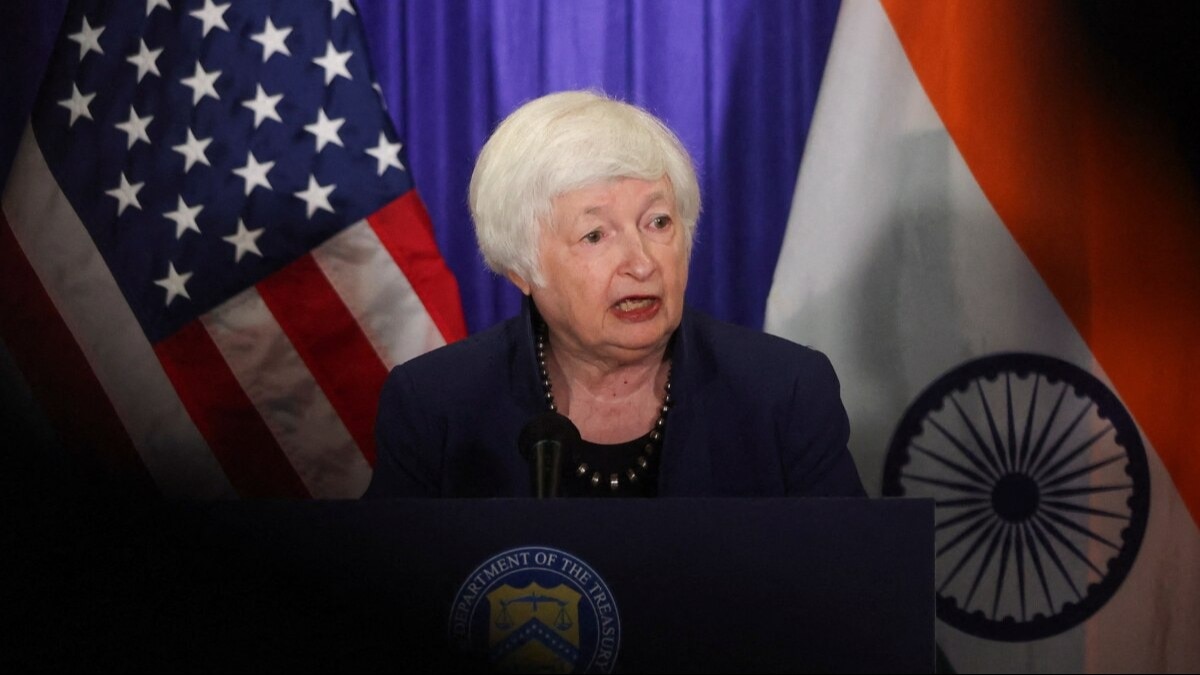
US Treasury Secretary Janet Yellen is trying to save a part of the global corporate tax deal focused on highly profitable multinational firms, but India is refusing to engage on issues important to US interests. The negotiations for Pillar 1 of the OECD corporate tax deal involve reallocating the taxing right on US-based digital giants, allowing about 0 billion of corporate profits to be taxed in the countries where the companies do business. The US has two “red line” issues in the talks related to transfer pricing and the “Amount B” system for simplifying the calculation of transfer pricing. If the negotiations fail, it could prompt the return of digital services taxes in some countries and reignite potential trade tensions. Italy wants to negotiate an agreement with Washington to stop tariffs on imports from countries that agreed to suspend their digital taxes while details of the tax deal were worked out.
The G7 is considering using future income from frozen Russian assets to support Ukraine, with the potential of providing Kyiv with a loan of up to billion. The group is also addressing concerns about China’s industrial practices and aims to sign off on a global minimum tax rate for multinationals. Additionally, the G7 is urging Israel to maintain banking links between Israeli and Palestinian banks to ensure vital transactions can continue.
U.S. Treasury Secretary Janet Yellen is trying to save a part of the global corporate tax deal focused on highly profitable multinational firms, but India is refusing to engage on issues important to U.S. interests.
US Treasury Secretary Janet Yellen is trying to save a part of the global corporate tax deal focused on highly profitable multinational firms. India is refusing to engage on issues important to US interests in the negotiations. China has also been “all but absent” in the negotiations for the OECD corporate tax deal. The Pillar 1 negotiations aim to reallocate the taxing right on US-based digital giants, allowing about US0 billion of corporate profits to be taxed in the countries where the companies do business. If the negotiations fail, it could lead to the return of digital services taxes in some countries and potential trade tensions. Italy is seeking to negotiate an agreement with Washington to stop tariffs on imports from countries with digital taxes.