Trade deficit narrows in Jan-Feb

The trade deficit for the first two months of the year fell to €1,144.4 mln compared to €1,929.6 mln in the same period last year.
The trade deficit for the first two months of the year fell to €1,144.4 mln compared to €1,929.6 mln in the same period last year.

The General Government’s fiscal surplus exceeded half a billion euros in the first two months of the year, showing an increase of 34% annually, reaching 1.7% of GDP. Total revenues for January-February 2024 increased by 16.7% to €2,328 billion compared to the same period in 2023. Specifically, income from income and wealth taxation increased by 20.1%, social contributions increased by 17.1%, and interest and dividends received increased by 7.7%. Total expenses for the same period increased by 12.3% to €1,793.2 billion, with personnel expenses increasing by 15.8% and social benefits increasing by 12.9%.

Tax reform should aim for sustainable finances and economic equity. Personal income tax should include taxing family income, with a tax-free bracket of €25,000 per individual or €50,000 per family. A flat 20% tax on all personal income above the tax-free bracket is proposed. Corporate tax should be leveled at 20% to be competitive and fair. A fair tax on immovable property is suggested to combat tax evasion and incentivize property owners to rent out vacant properties. VAT rates can be adjusted, and a flat road tax per car is recommended to cover road infrastructure costs. Carbon emission taxes should be imposed on fuels to fund carbon reduction and renewable energy initiatives.

The US Dollar Index (DXY) continued to push lower on Thursday due to a negative shift in risk sentiment.

Marios Tannousis is the CEO of Invest Cyprus, focusing on attracting and facilitating Foreign Direct Investment (FDI) in Cyprus. Cyprus has committed to spending €500 million by 2026 to combat climate change and foster the green transition. Cyprus aims to become the best place in Europe to live, work, and do business by transitioning towards a renewable energy system and implementing Environmental, Social, and Governance (ESG) criteria. The country is strategically positioned to help combat climate change in the Middle East and North Africa regions. Cyprus is working towards becoming a leader in sustainability and developing a circular zero-waste economy.

Shell argued in a Dutch court that a 2021 order to cut greenhouse gas emissions lacks legal basis and would hinder the fight against climate change. The order required Shell to reduce carbon emissions by 45% by 2030 from 2019 levels, including emissions from its products’ buyers and users. Shell’s lawyer stated that implementing the ruling would force the company to shrink its business and customers to switch to other fuel suppliers. Despite objections, the environmental group behind the case expressed confidence in convincing the judges that Shell must comply with international climate agreements. Shell recently revised its carbon reduction targets, aiming for a 15-20% reduction in net carbon intensity of its energy products by 2030. The court is expected to issue a verdict later this year, with a potential further appeal to the Supreme Court.

Salvage crews worked to lift the first piece of Baltimore’s collapsed Francis Scott Key Bridge from the water to allow access to the disaster site, in an effort to reopen the city’s blocked port.
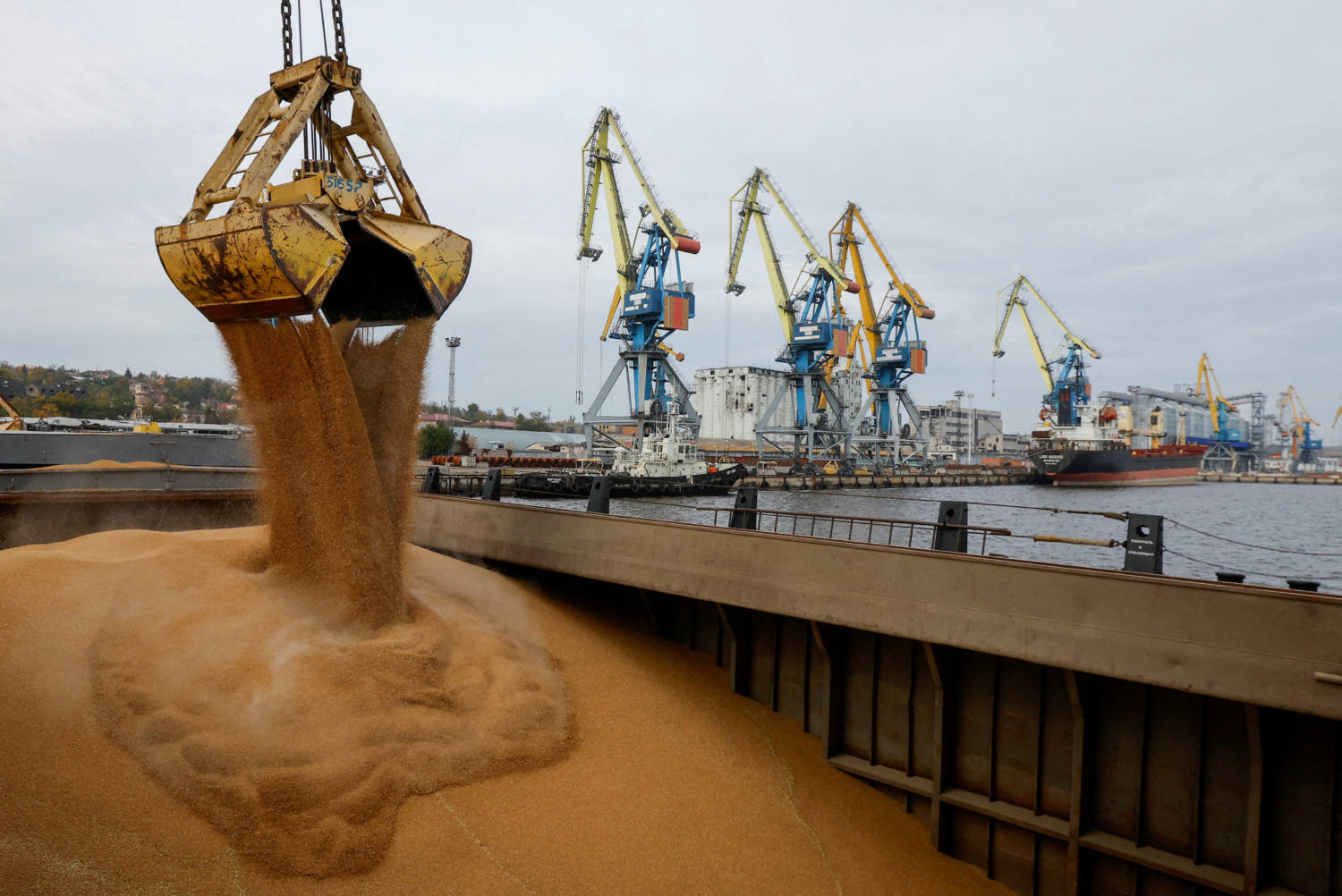
The governments of Poland and Ukraine met in Warsaw for talks to defuse a row over grain imports that caused mass protests by farmers.

Turkey has become a significant exporter of durum wheat, helping to fill a supply gap caused by drought in Canada. Turkish exports have kept durum prices stable and competitive, benefiting pasta producers and consumers. Turkey’s strong crop yields and competitive prices have made it a key player in the global durum market, with analysts predicting continued substantial exports in the coming years. The country’s role in supplying durum wheat may become even more crucial as Europe plans to use tariffs to limit grain imports from Russia.

Japan’s finance minister issued a warning about yen weakness as it fell to a 34-year low against the dollar, indicating that authorities could take decisive steps, similar to language used before intervention in the market in the past.