New Jersey Governor Phil Murphy Betrays No Tax Increase Promise, Returns to Tax-and-Spend Ways – Americans for Tax Reform

New Jersey Governor Phil Murphy Betrays No Tax Increase Promise, Returns to Tax-and-Spend Ways - Americans for Tax Reform

New Jersey Governor Phil Murphy’s budget proposal includes record spending and a return to pushing tax hikes. The proposal also involves reinstating a corporate tax surcharge, implementing a truck traffic excise fee, and diverting funds from a debt relief account. Despite promises not to raise taxes, the governor’s budget would still face a structural deficit. Governor Murphy’s first term also featured growing budgets and annual tax hikes.

Small business owners ask U.S. House tax writers to extend Trump-era deductions • Pennsylvania Capital-Star

Small business owners ask U.S. House tax writers to extend Trump-era deductions • Pennsylvania Capital-Star

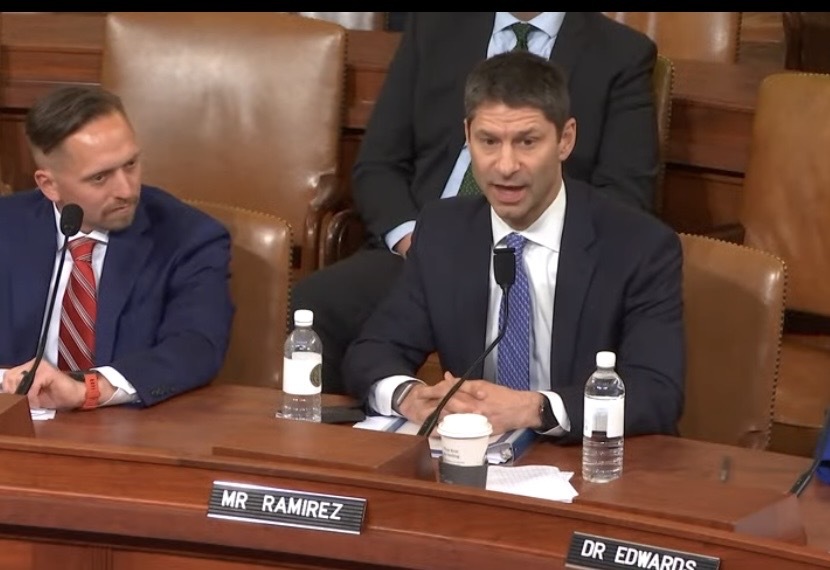
The text describes how economists and small business owners are urging U.S. lawmakers to extend or make permanent the Trump-era tax cuts, particularly the deductions that allowed them to reinvest in their operations. The Tax Cuts and Jobs Act of 2017 allowed business owners to deduct up to 20% of qualified business income and temporarily cut taxes on new equipment purchases. If Congress does not extend these deductions, small business owners could face significant tax hikes and be at a disadvantage compared to larger corporations.

A look at tax cuts proposed in Iowa

A look at tax cuts proposed in Iowa

Illinois is one of four states with a flat tax rate enshrined in its constitution since 1969. Past attempts to move to a granulated tax rate based on income have been unsuccessful. Statehouse Republicans in Illinois hope Iowa will be the 5th state to require a flat tax in its constitution.

Maryland’s tax and fee increases won’t affect everyone. Will you pay?

Maryland’s tax and fee increases won’t affect everyone. Will you pay?

The Maryland General Assembly passed a budget that raises approximately 0 million in additional revenue for transportation and education programs, and increases funding for the state’s shock trauma system. The increases come in the form of vehicle-related fees and fines, with tobacco users contributing to new tax money for education. Governor Wes Moore is pleased with the outcome, as lawmakers opted to increase revenue largely through fees without raising income tax, general sales taxes, or corporate taxes. The legislature did not address how the state will pay for future transportation costs and education expenses beyond fiscal 2027. Drivers in Maryland will pay more for vehicle registration, with an additional surcharge each year, and heavier vehicles will have higher registration fees. Shoppers buying a new car will see an 0 dealer processing charge added to their bill of sale, and owners of electric vehicles will have to pay additional surcharges when renewing registration.

Annual CIT Reconciliation in 2024- A Brief Guide for Companies

Annual CIT Reconciliation in 2024- A Brief Guide for Companies

Companies are advised to begin tax filing procedures for the 2023 tax year as soon as possible to complete CIT reconciliation before the deadline of May 31, 2024.

China CIT Reconciliation 2024 – A Brief Guide to Annual Tax Filing

China CIT Reconciliation 2024 - A Brief Guide to Annual Tax Filing

The season for China CIT reconciliation in 2024 is underway, and companies are advised to begin tax filing procedures for the 2023 tax year as soon as possible to complete CIT reconciliation before the deadline of May 31, 2024.

World faces persistent low growth in absence of productivity reforms, IMF says

World faces persistent low growth in absence of productivity reforms, IMF says

Global economic growth is projected to reach just 2.8% by 2030, a full percentage point below the historical average, unless major reforms are made to boost productivity and leverage technologies like artificial intelligence, according to the IMF.

Sanders, Schakowsky Introduce Corporate Tax Dodging Prevention Act

Sanders, Schakowsky Introduce Corporate Tax Dodging Prevention Act

U.S. Sen. Bernie Sanders and Congresswoman Jan Schakowsky introduced a bill to close tax loopholes for corporations, end tax breaks for businesses that move jobs abroad, and stop companies from hiding profits in tax havens. The Corporate Tax Dodging Prevention Act could raise over trillion in revenue over a decade with the tax haven provision alone. President Joe Biden’s budget blueprint includes proposals to hike taxes for corporations and ultrarich individuals.

Honey, I Shrunk The Tax Base: The Decline In Taxable Shareholders

Honey, I Shrunk The Tax Base: The Decline In Taxable Shareholders

The content discusses updated data from the Urban-Brookings Tax Policy Center showing a decreasing shareholder tax base and how it could affect tax policy. The percentage of taxable shareholders has dwindled over time, with implications for taxing dividends and capital income. Foreign investors, retirement accounts, and not-for-profit institutions are the largest groups of nontaxable shareholders. The article aims to address the issue of a shrinking tax base and provides transparency in methodology for readers to engage with the data. The implications of the decreasing shareholder tax base include the impact on corporate tax cuts benefiting foreign investors and the need to consider solutions like a withholding tax on corporate distributions to foreign investors.

Sanders Introduces Bill to Combat “Legalized Tax Dodging” for Corporations

Sanders Introduces Bill to Combat “Legalized Tax Dodging” for Corporations

Fact: The bill introduced by Sen. Bernie Sanders would allow the federal government to collect an additional .3 trillion in tax revenue over the next decade.