HMRC collected £95.2 billion in business taxes in the last tax year – Accountancy Age

Fact: £95.2 billion was collected in business taxes from April 2023 to March 2024.
Fact: £95.2 billion was collected in business taxes from April 2023 to March 2024.
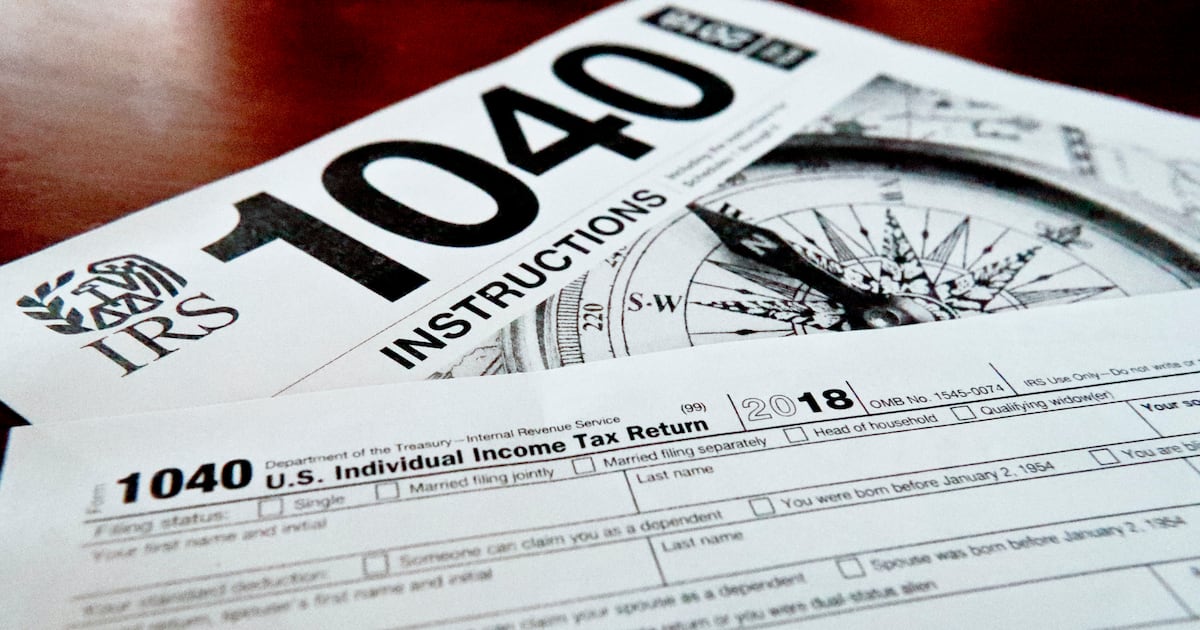
In 2020, Rep. Blake Moore visited Nucor, a steel and recycling manufacturing plant in northern Utah, where he learned about the positive impact of the Trump-era Tax Cuts and Jobs Act of 2017 on the business. The tax cuts led to real wage growth and reinvestment in the community, such as Nucor buying ambulances for the local community. Moore believes that low corporate taxes benefit everyone and is pushing to increase deductions for small businesses. He anticipates that significant changes in tax policy may occur in 2025, depending on the outcome of elections and government control.

Big technology-related company earnings are expected to lead S&P 500 profit growth in the upcoming US reporting period, refueling optimism for stocks after a weak start to April.
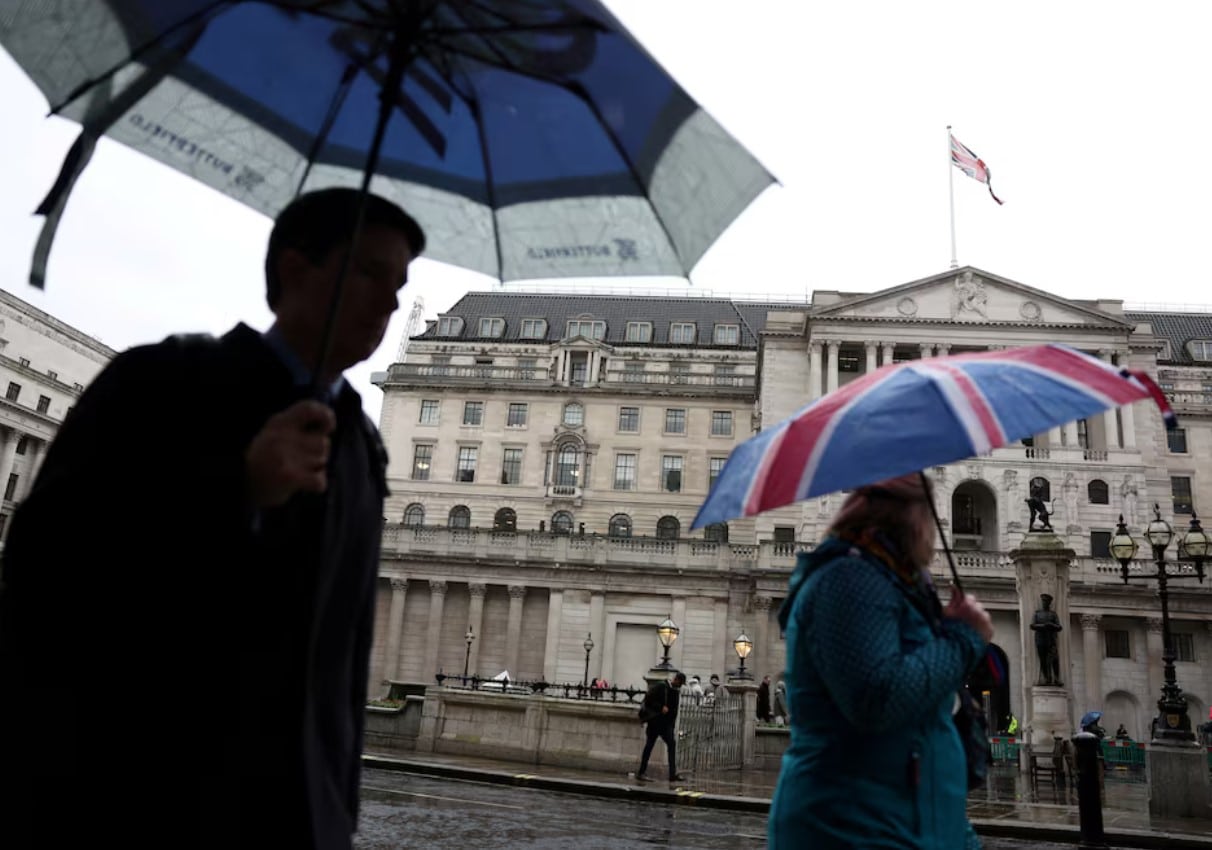
Almost half of British firms plan to raise their prices over the coming year as they struggle with high wage bills, according to a survey by the British Chambers of Commerce.

An early Easter boosted food spending in Britain last month, lifting retail sales by the most since August.

The Consumer Price Index (CPI) in Cyprus showed a yearly growth rate of 1.6 per cent in March, down from 2.1 per cent the previous month.
British businesses are reducing their plans for staffing and wage increases due to the impending minimum wage rise in April. The Lloyds Bank Business Barometer showed a decrease in the measure of staffing plans and the share of firms expecting to increase wages by 3% or more. The minimum wage in Britain will rise by nearly 10% next month, impacting businesses, especially smaller firms. The Resolution Foundation think tank highlighted the success of Britain’s introduction of the minimum wage 25 years ago in increasing the pay of low earners.

The EURUSD pair declined to the lower 1.0800s after European Central Bank (ECB) speakers, including President Christine Lagarde and Bank of Ireland Governor Gabriel Makhlouf, cited lower inflation. Lagarde mentioned a decrease in wage inflation and stated that the ECB is closely monitoring this before deciding on future policy moves. Lower inflation could lead to the ECB cutting interest rates, negatively affecting the Euro and the EURUSD pair. Lagarde noted that average wage growth for 2024 fell from 4.4% to 4.2% between the ECB’s January and March meetings. She mentioned the need for more evidence of receding inflation but suggested that rate hikes could be dialed back in June if data aligns with current expectations. The ECB is divided into two camps regarding the timing of interest rate decisions. ECB Vice President Luis de Guindos, preferring to wait until the June meeting, highlighted that services inflation remains too high. The Federal Reserve is expected to complete its March policy meeting without changing interest rates but may revise its quarterly forecasts and statement, potentially affecting the US Dollar valuation. Speculation exists that the Fed might adjust its economic forecasts in the Summary of Economic Projections (SEP) and the “dot plot,” possibly revising down the forecasted rate cuts in 2024 due to persistent inflationary pressures.

Japan’s largest companies have agreed to a 5.28% wage increase for 2024, the largest in 33 years, according to the country’s largest union group. This development is seen as a sign that the Bank of Japan may soon end its decade-long stimulus program, especially considering the bank’s eight years of negative interest rate policy. The wage increase exceeds expectations and comes amid annual wage negotiations, which are crucial for the Bank of Japan’s policy decisions. Policymakers hope the wage hikes will boost household spending and support sustainable economic growth. Workers had initially requested a 5.85% increase. The wage hikes are expected to result in positive real wages by April-June 2024. Rengo, the trade union group representing about 7 million workers, aimed for more than 3% increases in base pay. Rising income inequality, inflation, and labor shortages were cited as reasons for the significant wage increase, with part-time workers expected to see a 6% increase this fiscal year. The government hopes these wage hikes will benefit smaller and medium-sized firms, which make up 99.7% of all enterprises. However, wage increases for smaller companies are expected to be lower. Among smaller delivery companies, only 57% plan to raise wages in the upcoming fiscal year. Despite wage increases, real wages have fallen for 22 consecutive months due to inflation not keeping pace. Toyota Motor announced its largest pay increase in 25 years, indicating a strong stance in labor negotiations. The central bank may end negative interest rates as early as its next meeting on March 18-19, influenced by the wage increases and chronic labor shortages in Japan. Prime Minister Fumio Kishida encourages companies to raise wages to combat deflation and improve Japan’s wage growth compared to other OECD countries. The annual pay negotiations, known as “shunto” or “spring labor offensive,” are a key aspect of Japanese business culture, emphasizing collaborative labor-management relations.

The Bank of England is expected to maintain uncertainty about when it will start reducing interest rates, awaiting clearer evidence that inflation pressures are diminishing. Despite other central banks moving towards cutting borrowing costs post-COVID pandemic and inflation projected to decrease to the 2% target soon, the BoE has labeled its high rates as “under review.” Governor Andrew Bailey expressed a cautiously optimistic outlook, noting inflation expectations appear controlled and concerns over a price-wage spiral are lessening. However, Bailey indicated no rush to lower the Bank Rate from its 16-year peak of 5.25%, citing labor market data uncertainties and geopolitical risks. In February, the decision to keep the Bank Rate steady was supported by six rate-setters, with two advocating for an increase and one for a reduction. Analysts anticipate a similar 6-2-1 vote split in the next decision, potentially influenced by upcoming inflation data. The BoE forecasts inflation to slow to 2% in the second quarter following a decrease in regulated energy costs but expects a rise to almost 3% later in 2024. Inflation reached a high of 11.1% in October 2022. The central bank remains concerned about the risk posed by fast-growing wages, with Britain’s minimum wage set to increase by nearly 10% and employers offering pay settlements of about 5% since the start of 2024. Former BoE deputy governor Charlie Bean highlighted that Britain’s pay growth is roughly double the level consistent with 2% inflation. The BoE is seen as moving more slowly towards rate cuts compared to other central banks, with the British economy showing signs of recovery from a short recession. Finance minister Jeremy Hunt announced tax cuts to moderately boost consumers. The European Central Bank and the US Federal Reserve are contemplating rate cuts, potentially placing the BoE behind. Economists at HSBC predict inflation could drop to as low as 1.2% in May and June before rising later in the year, challenging the BoE’s communication on maintaining its current stance. A Reuters poll shows economists mostly expect rate cuts to begin in the third quarter, with 40% anticipating a move in the second quarter. Investors do not fully expect a quarter-point cut until August. The BoE’s March monetary policy decision will be announced without a press conference, as no new economic forecasts are due to be published.