WTI falls on uncertain demand, MidEast tensions

WTI falls on uncertain demand, MidEast tensions

The West Texas Intermediate (WTI) futures dropped to .00 due to weak demand outlook and expectations of the Federal Reserve keeping interest rates higher. The Fed’s confidence in price pressures declining to 2% has been dented by higher consumer price inflation and strong labor market data. Expectations of higher crude oil inventories and fears of oil supply tightening due to Iran’s attack on Israel have also impacted the oil price. Treasury Secretary Janet Yellen mentioned the possibility of new sanctions on Iran, which could affect their oil exports.

Geopolitics, Fed and Chinese GDP

Geopolitics, Fed and Chinese GDP

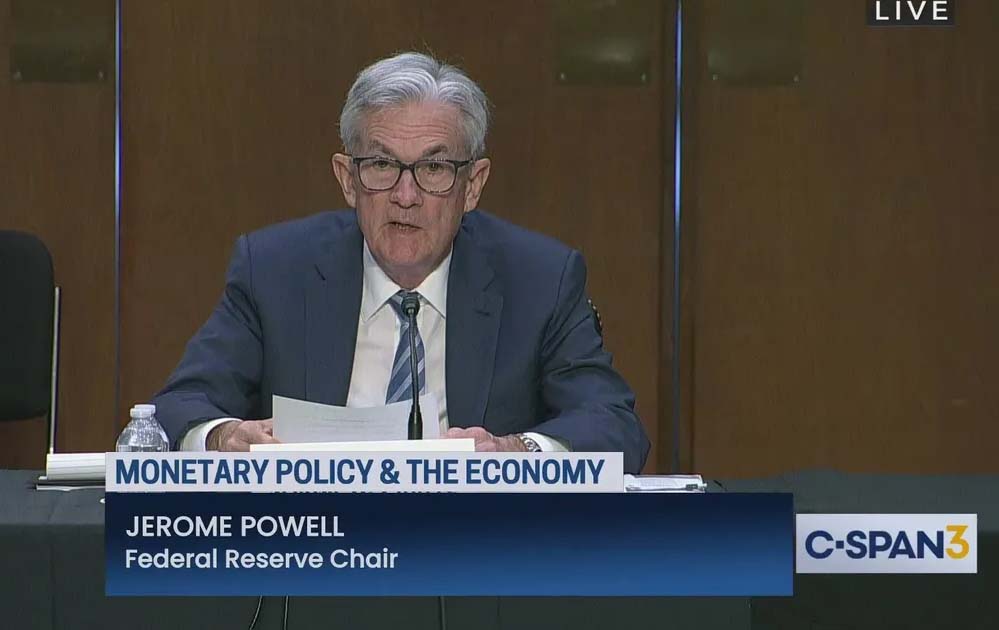
Geopolitical tensions are causing caution among investors, with concerns about potential retaliation from Israel against Iran. The Nasdaq index fell below its 50-day SMA, indicating a possible sell-off. US economic data, including industrial production and Fed Chairman Jerome Powell’s speech, are being closely watched. Oil prices are influenced by tensions in the Middle East, with the possibility of Brent crude reaching 0. Gold prices are anchored by inflation expectations and geopolitical tensions, with potential for further increases. China’s strong GDP growth is seen as positive for gold demand. Powell’s speech and potential oil price increases could impact inflation. Gold prices are expected to continue rising, potentially reaching ,500.

US consumer prices rise more than expected in March

US consumer prices rise more than expected in March

U.S. consumer prices rose more than expected in March due to higher gasoline and shelter costs, with the consumer price index increasing by 0.4%. Gasoline and shelter expenses made up over half of the CPI increase. In the 12 months leading to March, the CPI went up by 3.5%, surpassing the Federal Reserve’s 2% inflation target. Economists had predicted a 0.3% monthly increase and a 3.4% year-on-year increase. Despite a decrease from a peak of 9.1% in June 2022, the trend of disinflation has slowed recently. Some economists have postponed expectations for a rate cut to July, while others still believe the Fed may move in June. Fed Chair Jerome Powell has emphasized that there is no urgency to lower borrowing costs. The FedWatch Tool showed a 56.0% likelihood of a rate cut at the June 11-12 meeting. The core CPI, which excludes food and energy components, also rose by 0.4% in March and 3.8% over the 12 months ending in March.

Euro-dollar stabilises after ECB rate cut comments

Euro-dollar stabilises after ECB rate cut comments

The European Central Bank (ECB) is considering cutting interest rates in June, causing weakness for the Euro and depressing the EURUSD pair. ECB officials have expressed dovish views on rate cuts, while the Federal Reserve in the US seems more split on the issue. Bargain hunters may see dips in the EURUSD pair as a buying opportunity, and economists at ING expect the pair to stabilize around 1.0850.

Dollar struggles to find demand in Fed aftermath

Dollar struggles to find demand in Fed aftermath

– The US Dollar experienced significant losses against major rivals after the Federal Reserve left the interest rate unchanged and due to Chairman Jerome Powell’s comments on the policy outlook.
– Investors are awaiting the Bank of England’s policy announcements and S&P Global PMI data for Germany, the Euro area, the UK, and the US.
– The US economic docket will include weekly Initial Jobless Claims and Existing Home Sales data for February.
– The Federal Reserve’s Summary of Projections indicates a total of 75 basis points reduction in the policy rate expected in 2024.
– Chairman Powell noted high inflation numbers in January and February but attributed them to seasonal effects, suggesting they do not alter the disinflation narrative.
– Following the Federal Reserve event, the 10-year US Treasury bond yield approached 4.25%, Wall Street indexes rallied, and the USD Index dropped nearly 0.5%, ending a four-day winning streak.
– In Asian trading, Australian unemployment decreased to 3.7% in February, better than the expected 4%, and employment rose by 116,500, significantly above the anticipated 40,000.
– The AUDUSD pair saw gains, rising more than 0.5% above 0.6620.
– The USDJPY pair experienced fluctuations, with a notable correction below 150.50 before regaining momentum.
– The Bank of England is anticipated to maintain the policy rate at 5.25%, with market participants looking for indications on policy direction following soft UK inflation data.
– The GBPUSD rose 0.5%, trading near 1.2800.
– Gold reached a new all-time high of ,222 before retreating toward ,200.
– The EURUSD pair rallied above 1.0900, trading slightly below 1.0950.