UN sounds ‘Red Alert’ as world smashes heat records in 2023

UN sounds ‘Red Alert’ as world smashes heat records in 2023

– Every major global climate record was broken last year, according to the World Meteorological Organization (WMO).
– The WMO’s annual State of the Global Climate report indicated that average temperatures reached 1.45 degrees Celsius above pre-industrial levels, the highest in 174 years of record-keeping.
– Ocean temperatures were the warmest in 65 years of data, with over 90% of the seas experiencing heatwave conditions during the year.
– WMO Secretary-General Celeste Saulo highlighted the unprecedented ocean warmth, glacier retreat, and Antarctic sea ice loss as particularly concerning.
– Ocean heat is considered “almost irreversible,” potentially taking millennia to reverse.
– Climate change and the El Nino climate pattern were significant factors in pushing the world into record territory in 2023.
– There is a high probability that 2024 will set new heat records, particularly because the year after an El Nino is typically warmer.
– Antarctic sea ice levels saw a significant decrease, with the peak level measured at 1 million km2 below the previous record.
– The rate of sea-level rise has more than doubled over the past decade compared to the 1993-2002 period.
– Ocean heat was concentrated in the North Atlantic, with temperatures averaging 3 degrees Celsius above average in late 2023.
– Warmer ocean temperatures have affected marine ecosystems and caused many fish species to migrate north seeking cooler temperatures.
– Celeste Saulo emphasized the importance of scaling up the urgency and ambition of climate action to mitigate the impacts of climate change.
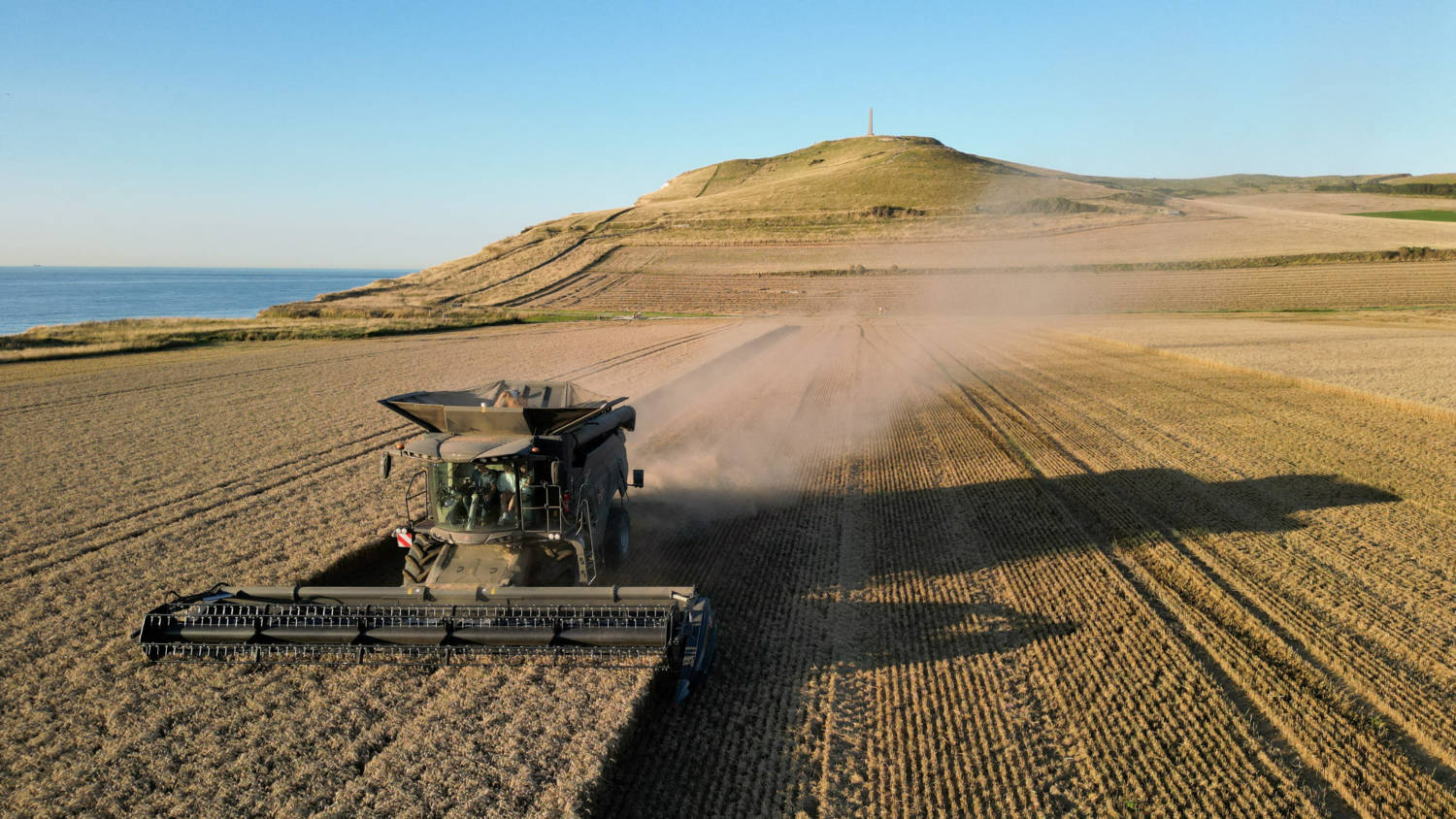
Explainer: How climate change affects Europe’s farmers

Explainer: How climate change affects Europe’s farmers

Farmers across Europe are protesting against EU environmental rules, claiming that they are adding to the burdens faced by the agricultural sector. Climate change is already impacting farmers, with increasing heat, drought, and flooding affecting their crops and livestock. Extreme weather, including droughts and heavy rains, has led to record low olive oil production, low crop yields, and damage to fruit quality. The Intergovernmental Panel on Climate Change has highlighted the negative effects of climate change on crop yields, and scientists have found that human-caused climate change played a role in extreme heatwaves and wildfires. Without action to curb climate change, the situation for Europe’s farmers will worsen. Farmers have criticized EU green rules, arguing that they burden them with costs and bureaucracy that producers outside of Europe do not face. The EU has weakened some of these rules in response to protests. The future of farming in relation to the EU’s green agenda is a question for policymakers, and the EU acknowledges that agriculture needs to cut emissions faster to comply with climate goals.

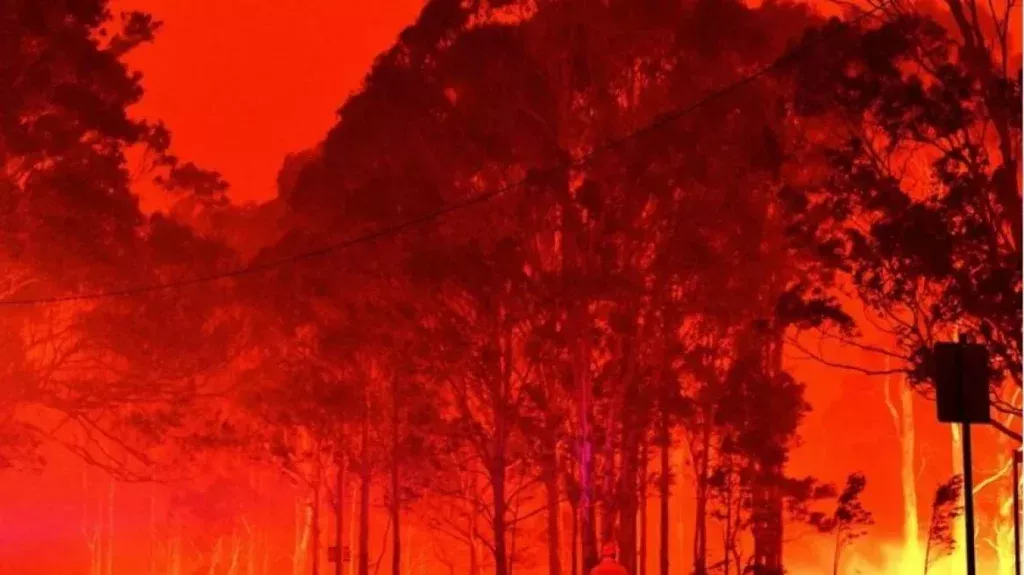
Western Australia in ‘extreme’ heat wave, raising bush fire risk

Western Australia in ‘extreme’ heat wave, raising bush fire risk

Fact: Parts of Western Australia were experiencing an “extreme” heat-wave on Saturday, increasing the risk of bush fires in the state. The Bureau of Meteorology issued an “extreme heat-wave warning” for the Pilbara and Gascoyne areas, with temperatures expected to reach high forties degrees Celsius. The town of Paraburdoo was forecasted to reach a maximum temperature of 47 degrees Celsius. The hot weather raises the risk of bush fires during an already high-risk fire season. Australia’s highest temperature on record was recorded in the Pilbara.