Yen trades at multi-decade lows

Yen trades at multi-decade lows

The Japanese Yen weakened against the US Dollar, reaching its highest level since 1990 near 152.00. Finance Minister Shunichi Suzuki stated that they won’t rule out any steps, including decisive ones, to respond to disorderly moves in the foreign exchange market. BoJ board member Naoki Tamura mentioned the possibility of hiking rates again if certain conditions are met.

Dollar struggles to find demand in Fed aftermath

Dollar struggles to find demand in Fed aftermath

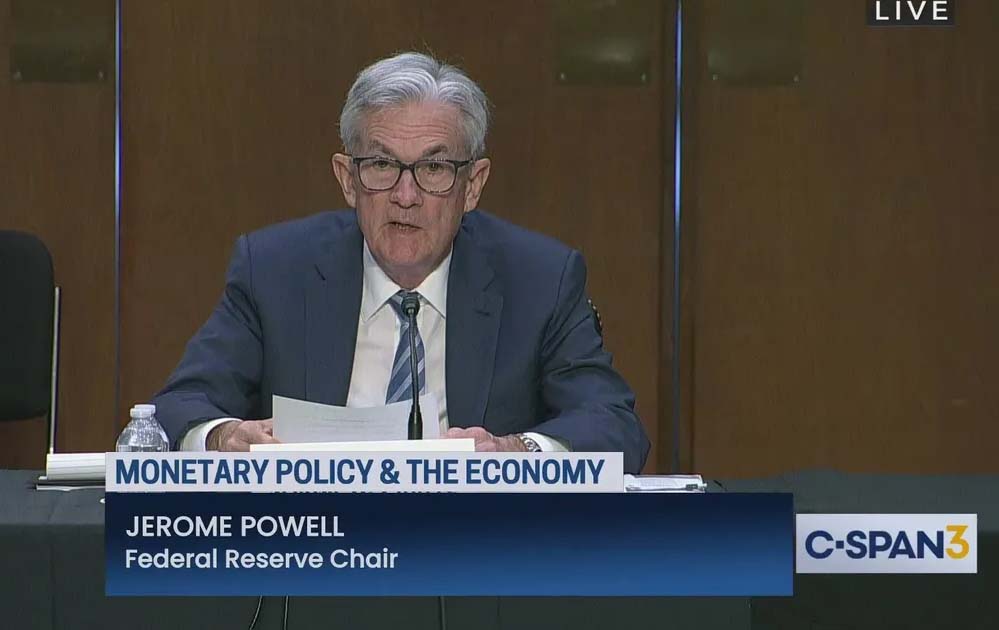
– The US Dollar experienced significant losses against major rivals after the Federal Reserve left the interest rate unchanged and due to Chairman Jerome Powell’s comments on the policy outlook.
– Investors are awaiting the Bank of England’s policy announcements and S&P Global PMI data for Germany, the Euro area, the UK, and the US.
– The US economic docket will include weekly Initial Jobless Claims and Existing Home Sales data for February.
– The Federal Reserve’s Summary of Projections indicates a total of 75 basis points reduction in the policy rate expected in 2024.
– Chairman Powell noted high inflation numbers in January and February but attributed them to seasonal effects, suggesting they do not alter the disinflation narrative.
– Following the Federal Reserve event, the 10-year US Treasury bond yield approached 4.25%, Wall Street indexes rallied, and the USD Index dropped nearly 0.5%, ending a four-day winning streak.
– In Asian trading, Australian unemployment decreased to 3.7% in February, better than the expected 4%, and employment rose by 116,500, significantly above the anticipated 40,000.
– The AUDUSD pair saw gains, rising more than 0.5% above 0.6620.
– The USDJPY pair experienced fluctuations, with a notable correction below 150.50 before regaining momentum.
– The Bank of England is anticipated to maintain the policy rate at 5.25%, with market participants looking for indications on policy direction following soft UK inflation data.
– The GBPUSD rose 0.5%, trading near 1.2800.
– Gold reached a new all-time high of ,222 before retreating toward ,200.
– The EURUSD pair rallied above 1.0900, trading slightly below 1.0950.

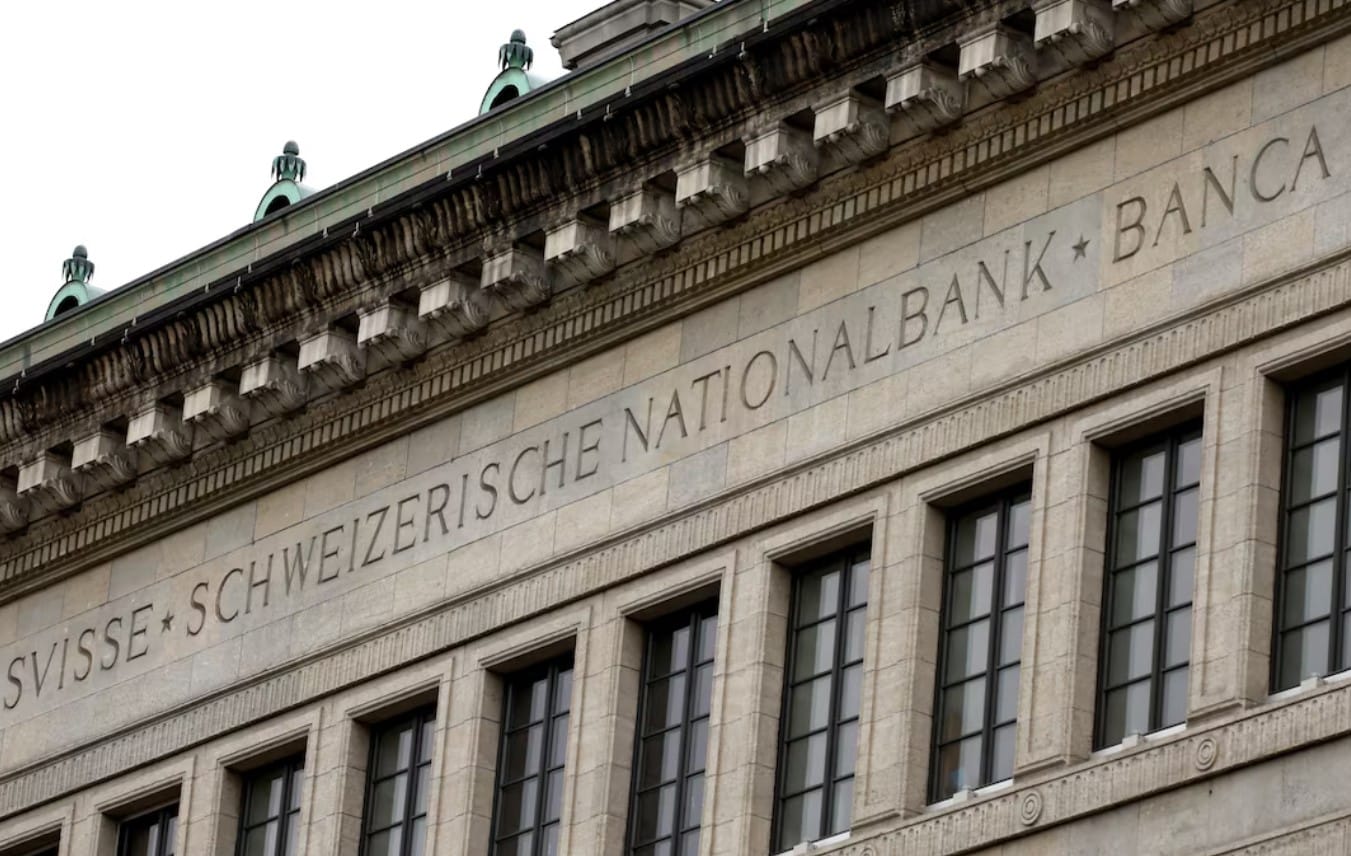
Swiss central bank cuts rates in surprise move, getting ahead of global peers

Swiss central bank cuts rates in surprise move, getting ahead of global peers

The Swiss National Bank cut its main interest rate by 25 basis points to 1.50 per cent and also reduced its interest rate on sight deposits to the same percentage. This decision marked the first rate cut in nine years and was unexpected by many, leading to a decrease in the value of the Swiss franc and a drop in Swiss government bond yields. The move was in response to a drop in Swiss inflation to 1.2 per cent in February, maintaining within the SNB’s target range of 0-2 per cent for nine consecutive months. The SNB’s action reflects its assessment that the fight against inflation over the past two and a half years has been effective, with expectations that inflation will remain within the target range in the coming years. This decision came before the chairman, Thomas Jordan, is set to step down in September.

Pound tumbles, gilts rally after BoE nods at rate cut ahead

Pound tumbles, gilts rally after BoE nods at rate cut ahead

– The Bank of England (BoE) kept its benchmark interest rate at 5.25%, the highest since 2008.
– The decision followed data showing inflation fell to its lowest in almost two-and-a-half years but remained high.
– After the BoE’s decision, the pound fell by as much as 0.48% to a session low of .2726 and was down 0.3% against the euro at 85.63.
– Two-year gilt yields dropped by as much as 12.8 basis points to 4.103%.
– The BoE’s interest rate-setters voted 8-1 to keep borrowing costs at 5.25%.
– Britain’s headline inflation rate fell to 3.4% in February from 4.0% in January, the highest in the Group of Seven.
– Money markets were pricing a 75% chance of a BoE rate cut in June after the decision.
– The Swiss National Bank delivered a surprise quarter-point rate cut, the first major central bank to dial back tighter monetary policy aimed at tackling inflation.
– The Bank of Japan raised rates for the first time in 17 years, and the Federal Reserve indicated it might cut rates three times this year.
– A survey showed British businesses continued to recover from recession, with inflationary pressures persisting.

Japan union group announces biggest wage hikes in 33 years, presaging shift at central bank

Japan union group announces biggest wage hikes in 33 years, presaging shift at central bank

Japan’s largest companies have agreed to a 5.28% wage increase for 2024, the largest in 33 years, according to the country’s largest union group. This development is seen as a sign that the Bank of Japan may soon end its decade-long stimulus program, especially considering the bank’s eight years of negative interest rate policy. The wage increase exceeds expectations and comes amid annual wage negotiations, which are crucial for the Bank of Japan’s policy decisions. Policymakers hope the wage hikes will boost household spending and support sustainable economic growth. Workers had initially requested a 5.85% increase. The wage hikes are expected to result in positive real wages by April-June 2024. Rengo, the trade union group representing about 7 million workers, aimed for more than 3% increases in base pay. Rising income inequality, inflation, and labor shortages were cited as reasons for the significant wage increase, with part-time workers expected to see a 6% increase this fiscal year. The government hopes these wage hikes will benefit smaller and medium-sized firms, which make up 99.7% of all enterprises. However, wage increases for smaller companies are expected to be lower. Among smaller delivery companies, only 57% plan to raise wages in the upcoming fiscal year. Despite wage increases, real wages have fallen for 22 consecutive months due to inflation not keeping pace. Toyota Motor announced its largest pay increase in 25 years, indicating a strong stance in labor negotiations. The central bank may end negative interest rates as early as its next meeting on March 18-19, influenced by the wage increases and chronic labor shortages in Japan. Prime Minister Fumio Kishida encourages companies to raise wages to combat deflation and improve Japan’s wage growth compared to other OECD countries. The annual pay negotiations, known as “shunto” or “spring labor offensive,” are a key aspect of Japanese business culture, emphasizing collaborative labor-management relations.

IMF says global ‘soft landing’ in sight, lifts 2024 growth outlook

The International Monetary Fund (IMF) has upgraded its forecast for global economic growth, citing faster-than-expected easing of inflation. The IMF’s chief economist, Pierre-Olivier Gourinchas, stated that a “soft landing” was in sight, but overall growth and global trade still remained lower than the historical average. The IMF forecast global growth of 3.1% in 2024, up from its previous forecast of 2.9%, and expected global trade to expand by 3.3% in 2024. However, risks such as geopolitical tensions in the Middle East and attacks in the Red Sea could disrupt commodity prices and supply chains. The IMF also warned that delays in fiscal consolidation and the potential violation of global trade rules by certain countries could impact economic activity.

Investors eye earnings, BoJ considers rate hike

Investors eye earnings, BoJ considers rate hike

The Bank of Japan (BoJ) has decided to keep interest rates and its yield curve control policy unchanged, indicating that a decision on negative rates may come in the future. The central bank is waiting for the outcome of spring wage negotiations to determine if price pressures are filtering through to the economy in a sustainable way. The BoJ also suggested that the first rate hike won’t necessarily come alongside new economic forecasts. The yen is rapidly falling, raising the question of whether the Japanese Ministry of Finance will intervene or tolerate the currency’s movements. Oil prices remain uncertain due to factors such as the economy, interest rates, OPEC+, and the Middle East. Gold continues to trade above ,000 despite traders reducing expectations for interest rate cuts. Bitcoin has experienced a decline, falling below ,000, but the focus is on what could generate excitement and further gains in the cryptocurrency market.