Cyprus consumers in a , ‘dire situation’

Cyprus consumers in a , ‘dire situation’

Consumers in Cyprus are facing increased financial pressure due to rising prices of essential goods, energy costs, and high interest rates, according to the Peo union. The union highlighted that Cyprus ranks second out of 26 EU countries in terms of energy poverty. The cost of borrowing, particularly for housing loans, is also on the rise despite efforts by the European Central Bank to stabilize it. This situation is making it difficult for low and middle-income groups, especially young couples, to afford decent housing. Peo has called on the government to tax windfall profits to fund a comprehensive social policy, including measures to support low-income groups and vulnerable households. Their proposals include restoring and extending the Cost of Living Allowance (Cola) to all employees, reducing electricity tariffs for low-income pensioners, lowering fuel prices, and introducing a scheme to help low to middle-income households purchase electric cars.


Bank of England set to play for time before first rate cut

Bank of England set to play for time before first rate cut

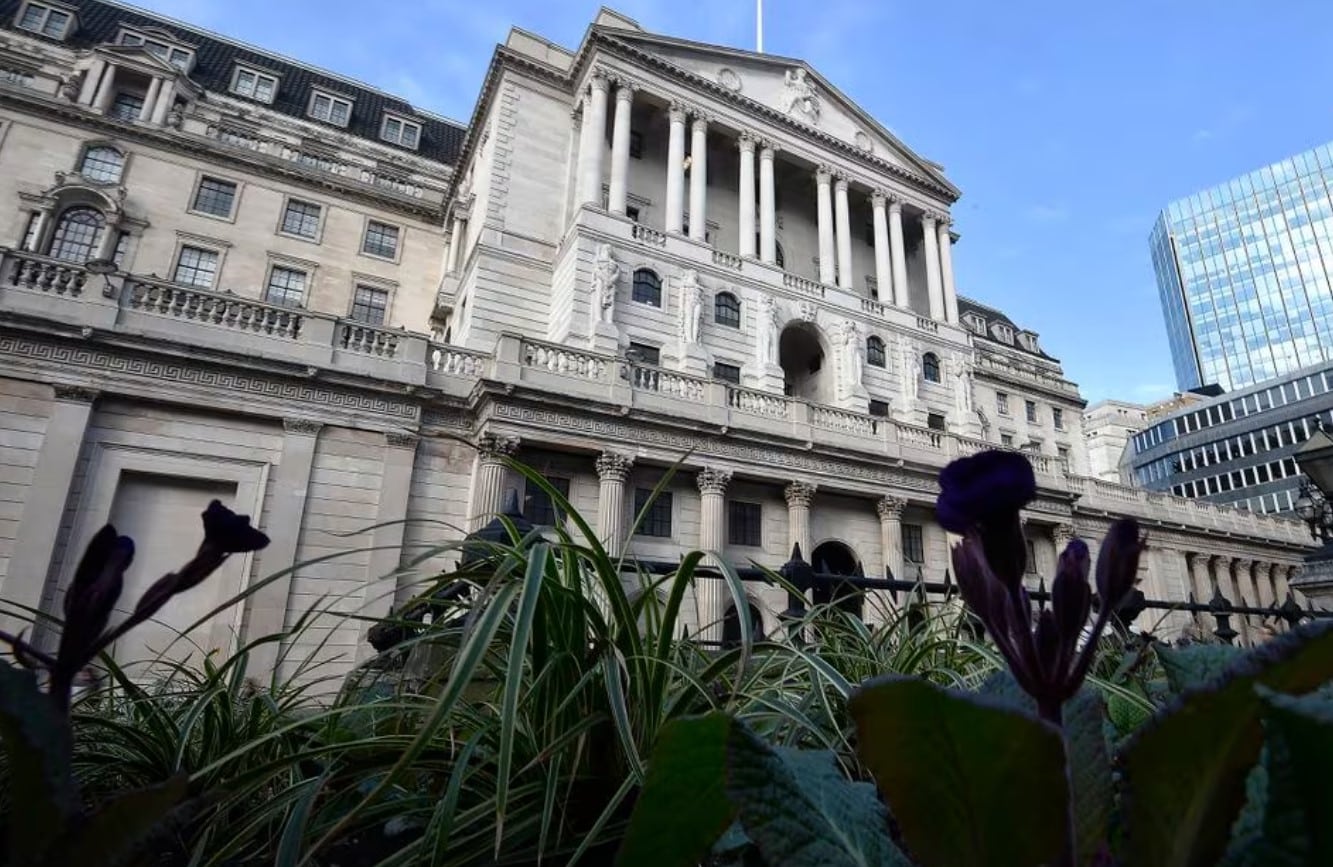
The Bank of England is expected to maintain uncertainty about when it will start reducing interest rates, awaiting clearer evidence that inflation pressures are diminishing. Despite other central banks moving towards cutting borrowing costs post-COVID pandemic and inflation projected to decrease to the 2% target soon, the BoE has labeled its high rates as “under review.” Governor Andrew Bailey expressed a cautiously optimistic outlook, noting inflation expectations appear controlled and concerns over a price-wage spiral are lessening. However, Bailey indicated no rush to lower the Bank Rate from its 16-year peak of 5.25%, citing labor market data uncertainties and geopolitical risks. In February, the decision to keep the Bank Rate steady was supported by six rate-setters, with two advocating for an increase and one for a reduction. Analysts anticipate a similar 6-2-1 vote split in the next decision, potentially influenced by upcoming inflation data. The BoE forecasts inflation to slow to 2% in the second quarter following a decrease in regulated energy costs but expects a rise to almost 3% later in 2024. Inflation reached a high of 11.1% in October 2022. The central bank remains concerned about the risk posed by fast-growing wages, with Britain’s minimum wage set to increase by nearly 10% and employers offering pay settlements of about 5% since the start of 2024. Former BoE deputy governor Charlie Bean highlighted that Britain’s pay growth is roughly double the level consistent with 2% inflation. The BoE is seen as moving more slowly towards rate cuts compared to other central banks, with the British economy showing signs of recovery from a short recession. Finance minister Jeremy Hunt announced tax cuts to moderately boost consumers. The European Central Bank and the US Federal Reserve are contemplating rate cuts, potentially placing the BoE behind. Economists at HSBC predict inflation could drop to as low as 1.2% in May and June before rising later in the year, challenging the BoE’s communication on maintaining its current stance. A Reuters poll shows economists mostly expect rate cuts to begin in the third quarter, with 40% anticipating a move in the second quarter. Investors do not fully expect a quarter-point cut until August. The BoE’s March monetary policy decision will be announced without a press conference, as no new economic forecasts are due to be published.

Larnaca designated as city with best investment opportunities

Larnaca designated as city with best investment opportunities

The real estate platform INDEX designated Larnaca as Cyprus’ key destination for investors and homebuyers in the real estate market, based on a recent analysis. This analysis, derived from over 4,200 real estate listings on INDEX, showed a 36 percent price discount on pre-owned properties compared to new ones in Larnaca, with the median price per square meter for new real estate at €3,619 and for pre-owned properties at €2,289. The analysis considered 19 percent VAT for new assets and 4 percent Transfer of Title Fees for pre-owned ones. Differences in pricing between new and pre-owned properties were also noted in other regions, such as Limassol (25 percent difference), Nicosia (27 percent), Paphos (27 percent), and Famagusta (21 percent), based on an analysis of 24,773 new properties and 4,539 pre-owned ones. The report highlights Larnaca’s attractiveness for investment and residential opportunities, with a growing trend of buying and flipping pre-owned properties for profit.

Bank of England to start cutting in Q3 but strong chance of Q2 move

Bank of England to start cutting in Q3 but strong chance of Q2 move

The Bank of England is expected to start reducing borrowing costs in the third quarter, with a Reuters poll indicating that while 40% of economists anticipated an earlier cut, it is more probable that the first reduction will occur later than sooner. This aligns the Bank of England with the Federal Reserve and the European Central Bank, which are both expected to begin cutting interest rates in June. Inflation in the UK has decreased from a 41-year high of 11.1% in October 2022 to below the Bank’s 2% target, anticipated to be 1.8% next quarter, and is expected to stay around this target until at least the end of 2025. All but three of 68 economists forecast at least one reduction in the Bank Rate from its 16-year peak of 5.25% by the end of September, with a significant minority suggesting the first cut could be as early as the next quarter. No changes are expected on March 21, nor are any further increases after 14 hikes from December 2021 to August 2023. The Bank Rate is predicted to be 4.75% by the end of September, 4.50% by the end of 2024, and to decrease steadily to 3.25% by the end of 2025. The UK economy showed growth in January after a shallow recession in the second half of 2023, with expectations of 0.2-0.3% expansion each quarter through to 2026. Growth forecasts for 2024 and 2025 are 0.3% and 1.2%, respectively. A survey published earlier this month indicated businesses had their strongest month in February since the previous year, but inflation pressures remain a concern for the Bank of England.

FCA signals watchdog open to ending to free banking in Britain

FCA signals watchdog open to ending to free banking in Britain

Britain’s Financial Conduct Authority (FCA) CEO, Nikhil Rathi, stated the FCA would not oppose changes to the UK’s free banking model if banks decide to introduce fees for account holding to offset rising regulation costs. Rathi emphasized the importance of protecting retail customers through the Consumer Duty rules and acknowledged concerns about regulation increasing pressure on banking business models and margins. He clarified that the current free banking model is a market choice, not a regulatory requirement, except for basic bank accounts. Consumer groups criticized Rathi’s comments, with Simon Youel from Positive Money highlighting banks’ record profits and opposing the reduction of free services. Rathi, leading the FCA since October 2020, mentioned the Consumer Duty could reduce compensation levies on financial firms and stressed a pragmatic approach to enforcing these rules. He highlighted the focus on the cash savings market and certain insurance products, and mentioned the FCA’s investigation into potential overcharging in motor finance, which could lead to significant redress costs for banks. Rathi also mentioned a cautious approach to regulating AI advancements in financial services.

Euro awaits US data, ECB speakers

Euro awaits US data, ECB speakers

The EURUSD exchange rate was trading in the mid 1.0900s after reaching a peak at 1.0981 the previous week. Upcoming data releases and events are expected to introduce some volatility to the Euro-dollar pair. In the US, upcoming factory gate inflation and Retail Sales data could influence expectations regarding the Federal Reserve’s timeline for interest rate cuts, which is a significant factor for the US Dollar. Economists anticipate a decrease in Core PPI to 1.9% year-over-year in February from 2.0% in January, with a month-on-month forecast showing a 0.2% increase compared to the 0.5% increase the previous month. The headline Producer Price Index (PPI) is expected to show a 1.1% year-over-year gain, up from 0.9% in January, and a 0.3% month-on-month gain, consistent with the previous month. This data is a crucial indicator for CPI inflation, as increases in wholesale costs are typically passed on to consumers. Market participants are betting on a 67.2% probability of the Fed cutting interest rates in June, according to the CME FedWatch Tool. US Treasury Secretary Janet Yellen stated that it seems unlikely for interest rates to return to pre-COVID-19 levels and deemed the interest rate projections in President Biden’s budget plan as “reasonable.” In Europe, several ECB officials are set to speak, potentially providing insights into whether interest rates will be cut in April or June. If inflation remains high, interest rates are likely to stay elevated, supporting the Euro. ECB Governing Council member Francois Villeroy de Galhau indicated a preference for an April rate cut, while Bank of Austria Governor Robert Holzmann and ECB President Christine Lagarde suggested a June timeline for revisiting rate policies. The timing of ECB rate cuts could impact the Euro and EURUSD exchange rate. After recent US inflation data, a calmer period is expected in the EURUSD pair ahead of the next week’s Federal Reserve meeting.

Eurobank growing into a regional powerhouse , — Cyprus central to its plans

Eurobank growing into a regional powerhouse , — Cyprus central to its plans

– Eurobank’s financial results for 2023 exceeded initial expectations.
– Eurobank has a business plan for 2024-2026 aiming to become a regional banking powerhouse.
– The bank has a strong presence in Cyprus, which is expected to deepen.
– The bank’s board of directors will meet in Cyprus on March 20-22.
– Eurobank’s 2023 financial highlights include a per-share net profit of €0.31 and a return on equity of 18.1%.
– Earnings per share increased by 21.1% compared to 2022, reaching €2.07.
– 37% of net profits came from international activities.
– The Capital Adequacy Ratio (CAD) was 20.2% and the Common Equity Tier 1 (CET1) ratio was 17%.
– Non-performing exposures (NPEs) were at 3.5%, with a coverage ratio for non-performing loans of 86.4%.
– The loans-to-deposits ratio was 72.3%, and the liquidity coverage ratio was 178.6%.
– The business plan for 2024-2026 includes integrating Hellenic Bank in Cyprus and expanding in the region.
– About 50% of profits are expected to come from international operations.
– The plan targets a capital return of about 15% on a recurring basis and a dividend payout ratio of nearly 50% by 2026.
– Net interest income increased by 46.9% compared to 2022, reaching €2.17 billion.
– Fee and commission income grew by 4.2% in 2023, totaling €544 million.
– Organic revenues increased by 35.8% annually, reaching €2.71 billion.
– Operating expenses increased by 5.2% compared to 2022, reaching €902 million.
– The cost-to-income ratio improved to 33.2% in 2023.
– Organic pre-provision operating income increased by 58.6% annually, totaling €1.816 billion.
– Provisions for impaired loans increased by 24.7% compared to 2022, reaching €345 million.
– Organic pre-tax operating profits surged by 69.4% in 2023, totaling €1.47 billion.
– Adjusted pre-tax profits amounted to €1.55 billion, with adjusted net profits increasing by 6.6% to €1.256 billion.
– Adjusted net profits from international activities increased to €468 million in 2023.
– Operational performance in Cyprus and Bulgaria showed substantial improvement.
– Eurobank acquired a majority stake in Hellenic Bank and completed the acquisition of BNP Paribas Personal Finance in Bulgaria.
– Eurobank’s regional presence is significant, contributing approximately 37% to its profitability in 2023.
– Eurobank Cyprus began operations in 2007 and is the third-largest bank on the island.
– Eurobank Cyprus operates in five core business pillars.
– Eurobank has no intention of using Hellenic Bank’s excess liquidity elsewhere in the group.
– Eurobank and Hellenic Bank will continue to operate separately until conditions are met for their merger.
– Eurobank signed a Memorandum of Understanding with NPCI International Payments Limited to enhance remittances from Greece to India.

Gold poised to hit $2,250 Q2 target, say economists

Gold poised to hit $2,250 Q2 target, say economists

Gold’s price decreased by 1.1% following a higher-than-expected US inflation report. Economists from TD Securities predict that the price of gold may decrease further to a range between ,025 and ,100. The February Consumer Price Index (CPI) showed core inflation at 0.4% month-over-month, reaching 3.8% year-over-year, and headline inflation also increased by 0.4% month-over-month to 3.2% year-over-year. This inflation data suggests the Federal Reserve may not reduce interest rates soon. Despite this, TD Securities still sees potential for gold to reach a ,250 target in the second quarter if economic data continues to weaken. ANZ Bank economists also noted that the unexpected US inflation figures have negatively impacted gold prices, affecting market expectations for a rate cut in June. Commerzbank analysts attribute the recent rise in gold prices to speculative financial investors, with net long positions in gold futures increasing significantly. However, they caution that higher-than-expected US inflation could lead to a decrease in gold prices, especially if speculative investors decide to take profits.

Real estate sector depends on outside factors

Real estate sector depends on outside factors

The Cyprus economy has shown strong resilience, recording one of the highest growth rates in the European Union, according to Dr. Giorgos Mountis, CEO of Delfi Partners. The Cypriot economy grew by 2.4% in 2023 and is estimated to grow by 2.8% in 2024 and 3% in 2025. Inflation decreased from 8.1% in 2022 to 3.9%, with further reductions expected to 2.4% in 2024 and 2.1% in 2025. Efforts to contain inflation involved decisions that temporarily affected citizens’ incomes, with interest rate increases placing significant pressure on household incomes. However, optimism exists that the European Central Bank’s decisions will start to change in 2024, potentially leading to a decrease in domestic interest rates. Unemployment is at very low levels, approaching full employment, though many sectors face personnel shortages. The government’s strategies to employ and attract foreign labor could lead to an increase in the country’s population and economic development. The real estate sector remained resilient in 2023, with sales contracts increasing by 16% compared to 2022, reaching the highest level since 2008, driven by increased demand from non-European buyers. Apartment prices in 2023 exceeded those of 2010 for the first time, according to the Central Bank of Cyprus, leading to an increase in properties purchased for rental investment.

Bitcoin hits record above $71,000 as demand frenzy intensifies

Bitcoin hits record above $71,000 as demand frenzy intensifies

– Bitcoin reached a record high above ,000 on Monday.
– Britain’s financial watchdog will now allow recognized investment exchanges to launch crypto-backed exchange-traded notes.
– Bitcoin’s price rose by as much as 4.8 percent to ,677 in European trading, with gains for the year at 70 percent.
– The surge in Bitcoin’s value is attributed to an influx of cash into new spot bitcoin exchange-traded funds and expectations of a Federal Reserve interest rate cut.
– Capital flows into the 10 largest U.S. spot bitcoin exchange-traded funds reached almost billion in the week to March 8.
– The supply of Bitcoin, limited to 21 million tokens, is expected to get tighter in April due to the halving event, which occurs every four years and reduces the rate of new supply and the reward for miners.
– The UK regulator stated that crypto exchange-traded notes (ETNs) would be available only for professional investors.
– Asset managers hold the largest bullish position in bitcoin futures on record, with a net long position worth .5 billion.
– Ether’s price rose 2.1 percent to around ,000, driven by speculation of U.S. approval for spot ether ETFs, with a 75 percent increase in price this year.