€50 million investment drives luxury housing in Livadia

€50 million investment drives luxury housing in Livadia

Livadia is one of the most rapidly developing areas of Cyprus, with significant investments and construction growth. The area has seen a surge in interest following the removal of oil tanks and the lifting of the Seveso directive. A €50 million investment from an Israeli company is underway for luxury apartments, with plans for a boutique hotel. Road works are needed to accommodate the population increase, including the completion of Panagouli Avenue. The area also requires new schools, with projects underway for a regional Primary School and redevelopment of the traditional core of the community.

Sewerage board merger welcomed

Sewerage board merger welcomed

Interior Minister Constantinos Ioannou announced the merger of the Dali and Pera Chorio-Nisou sewerage boards with the main one in Nicosia, effective from July 1. This merger is part of local government reform and is expected to benefit the new municipality of South Nicosia-Dali, which includes Dali, Pera Chorio, Nisou, Alambra, Lympia, and Potamia. The merger aims to improve the quality of service for residents by implementing the European Directive for the treatment of urban wastewater, ensuring necessary sewerage network extensions to meet environmental and public health objectives.

Mayor Yiorkadjis announces candidacy for Nicosia District Council

Mayor Yiorkadjis announces candidacy for Nicosia District Council

Constantinos Yiorkadjis, the outgoing mayor of Nicosia, announced his candidacy for president of the newly formed Nicosia District Council. He emphasized the importance of successful local government reform and the significant challenge and opportunity it presents. Yiorkadjis highlighted the political decision-making power of the president and council on matters affecting citizens’ daily lives, noting that the president is directly elected by the people, with council members being elected mayors, councillors, and community leaders. He believes he has the necessary qualifications for the position, citing his vision, political will, effectiveness, and ability to build consensus. Yiorkadjis also stressed the importance of citizen engagement and expressed pride in the progress made during his twelve years as mayor. He acknowledged the upcoming elections as pivotal for the local government’s future and seeks trust and support to build a modern, adaptable organization that serves the needs of all residents of the Nicosia district.

7,500 new voters registered for June, ’s elections

7,500 new voters registered for June, ’s elections

– 7,500 new voters have been registered for the forthcoming elections in June.
– The total number of people registered to vote in Cyprus is 569,086.
– There are 557,578 people on the permanent electoral roll.
– 11,559 EU citizens are registered to vote in local elections, and 9,190 in European parliament elections.
– A special electoral list exists for Turkish Cypriots living in the north, with 82,925 names on it.
– Eligible voters can register to vote until April 2.
– Citizens of the Republic of Cyprus and EU citizens residing in Cyprus who are over 18 on election day are eligible to vote.
– Eight elections are scheduled to be held simultaneously on June 9.

State funding to municipalities increases with reform

State funding to municipalities increases with reform

– Municipalities received €70.9 million in funding from the state last year.
– The reform of Local Government will increase state funding to €92.9 million from July 1st.
– The number of municipalities will be reduced from 30 to 20 due to the reform.
– State funding is expected to increase to €117 million by 2025.
– In the first half of 2024, the 30 municipalities will receive €35.4 million in state funding.
– €8.7 million of the funding is in exchange for the abolition of the professional tax.
– €1.09 million of the funding is in exchange for the Diapylia, which have been abolished for decades.
– From July to December, the 20 reformed municipalities will receive a total of €58.8 million.
– The funding distribution criteria include population, population density, area, and per capita income of the municipality from its residents.
– The Ministry of Interior aims for fiscal balance in the new distribution of state funding based on the needs of each local authority.
– Specific funding allocations include: Nicosia Municipality €9 million, Limassol €8.1 million, Strovolos €4.9 million, Larnaca €4.8 million, Lakatamia €3.1 million, Paphos €2.8 million, Paralimni-Deryneia €2.58 million, Eastern Limassol €2.54 million, Latsia-Yeri €2.26 million, Western Limassol €2.24 million, Ayia Napa €2.1 million, Aradippou Municipality €1.8 million, Southern Nicosia-Idalion €1.8 million, Dromolaxia-Menou €1.6 million, Eastern Paphos €1.4 million, Chrysochous Town €1.24 million, Athienou €1.13 million, Akamas €1.15 million, and Lefkara €1 million.

Government , ‘has the will’ to implement reform

Government , ‘has the will’ to implement reform

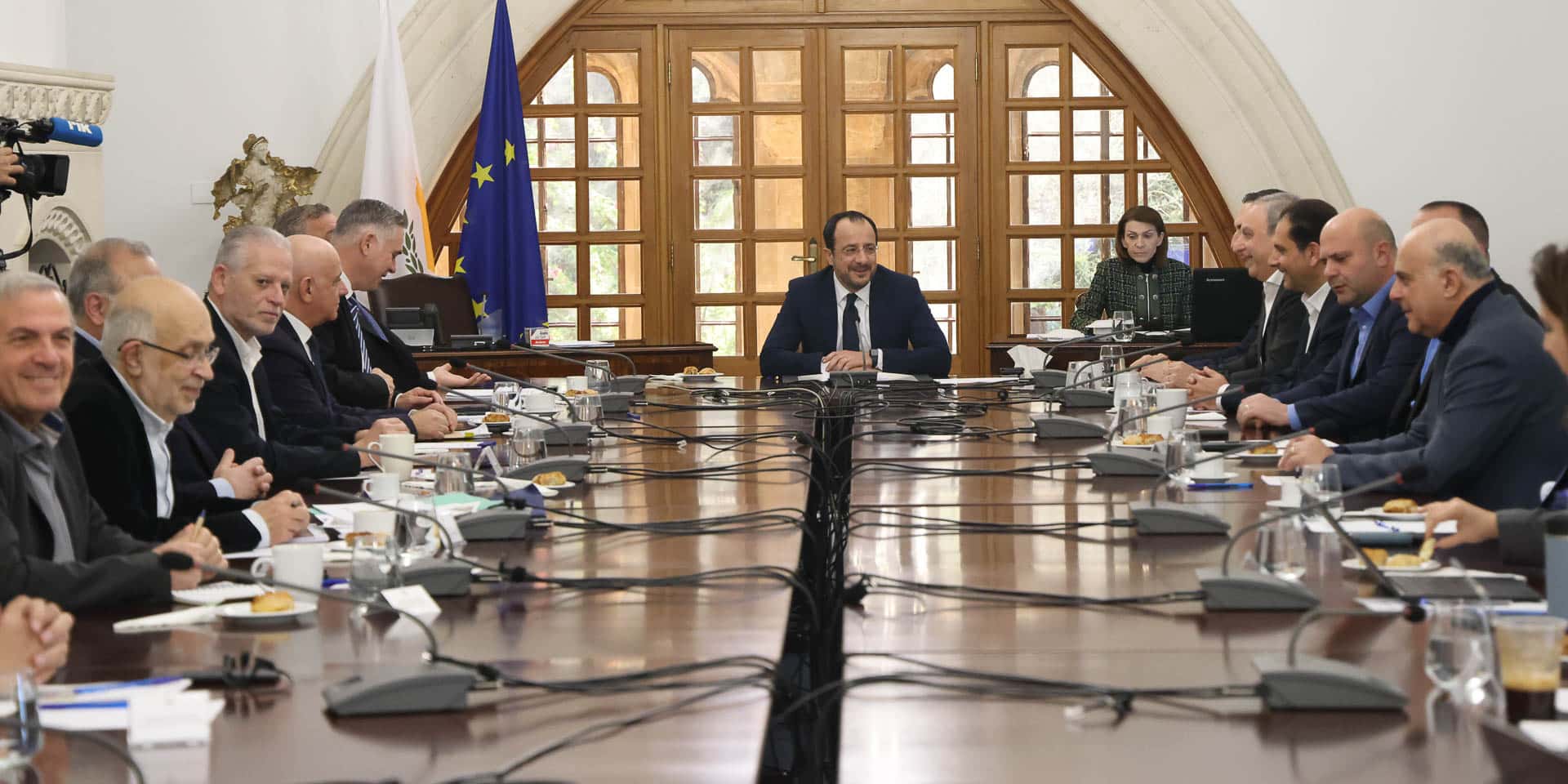
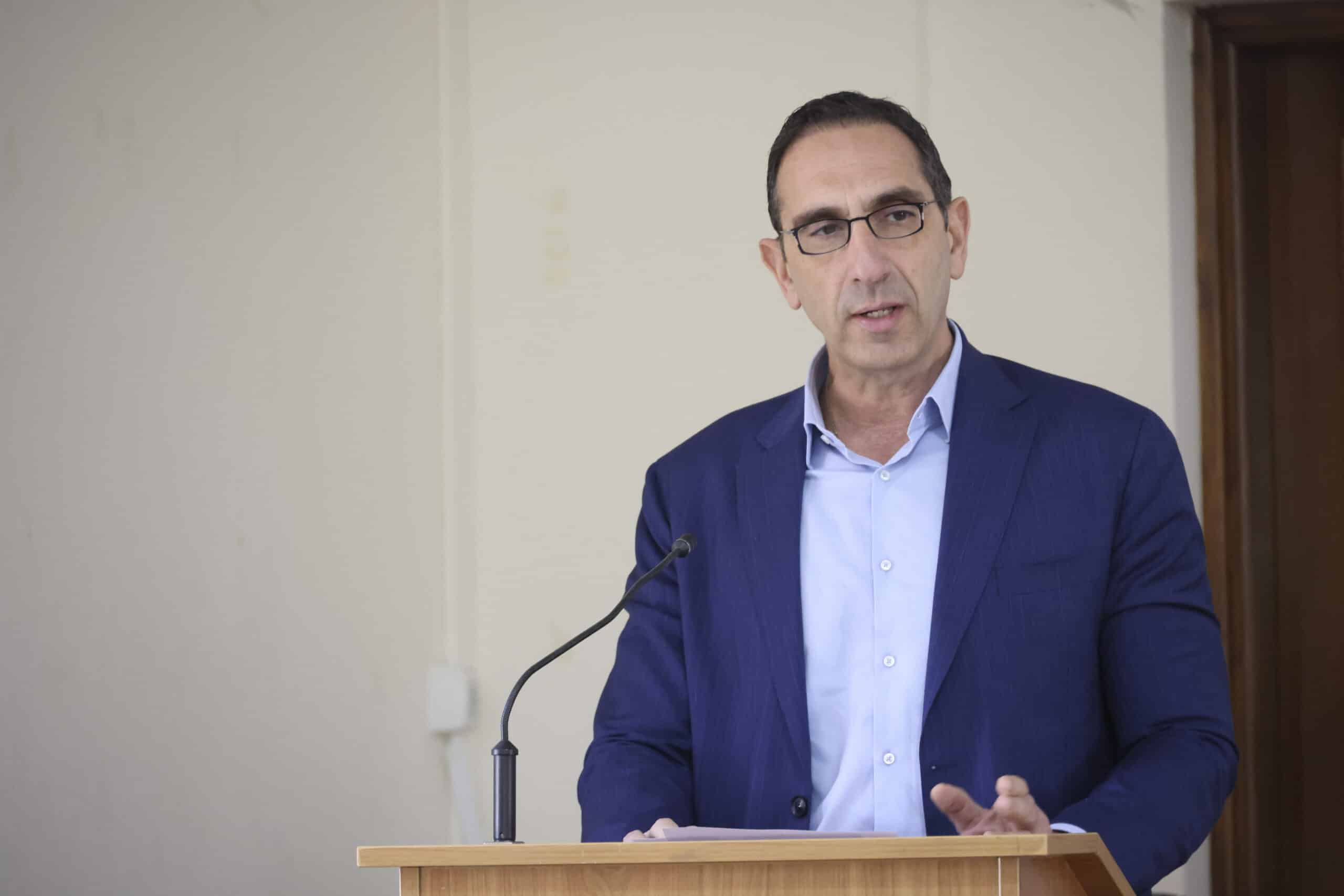
Interior Minister Constantinos Ioannou stated that challenges to the implementation of local government reform in Cyprus will be addressed with the assistance of parliament. A meeting on the issue was held with party leaders at the Presidential Palace, chaired by President Nikos Christodoulides. The government is committed to proceeding with the reform according to the existing legislation passed by the House. There are less than 100 days left until the reform’s implementation, and a road map has been prepared by the ministry.

The challenges include securing buildings for district self-governing authorities, staff training, and completing the ‘Evagoras’ data system software. The ministry’s role is supportive, particularly through the central advisory committee, assisting municipalities and elected officials with software, organizational charts, or budgets.

The president reiterated the government’s determination to implement the bill as passed. The legislation is acknowledged as not ideal, with problems identified and brought to parliament since the previous June. The ministry has hired 87 people to help simplify processes related to the reform. Concerns about the reform process exist, as is common with major reforms. The ministry cannot intervene directly to secure buildings for the reform but can pressure provisional councils. Despite not being ideal, the reform is considered better than the existing system, and the executive branch assures that it will implement the legislation as passed.