Turkish Cypriot conscientious objector trial postponed

Turkish Cypriot conscientious objector trial postponed

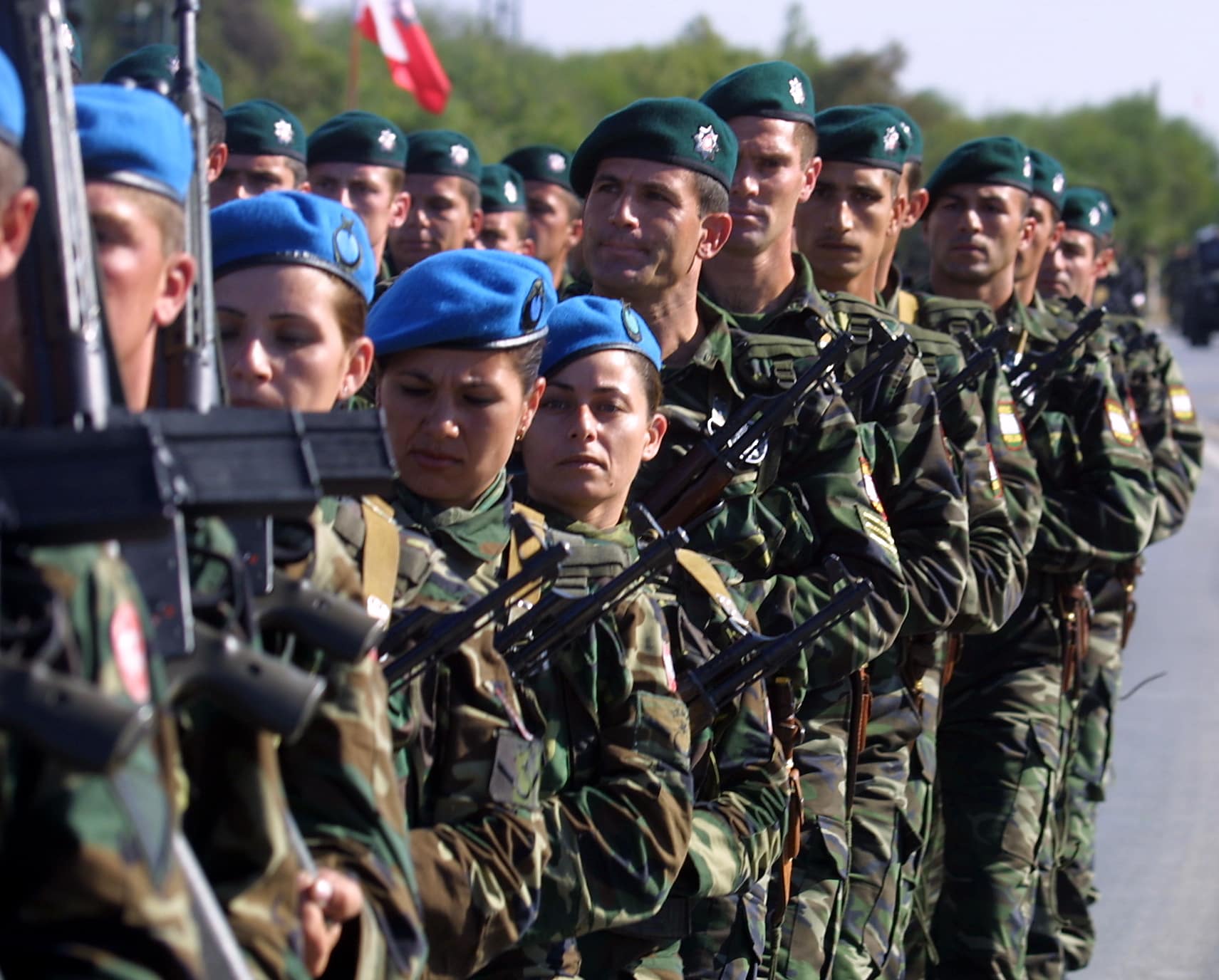
The trial of Turkish Cypriot conscientious objector Halil Karapasaoglu, originally scheduled for Thursday, has been postponed to April 18. This decision came after the European Court of Human Rights fined the Republic of Turkey €9,000 for violating the freedom of thought and conscience of another Cypriot conscientious objector, Murat Kanatli. In the north, where conscription is mandatory, the concept of conscientious objection to military service is not recognized by law, making any refusal to serve a criminal act. A bill to legalize conscientious objection was rejected by the northern ‘parliament’ in January.

UN Envoy continues assessment over potential new negotiations

UN Envoy continues assessment over potential new negotiations

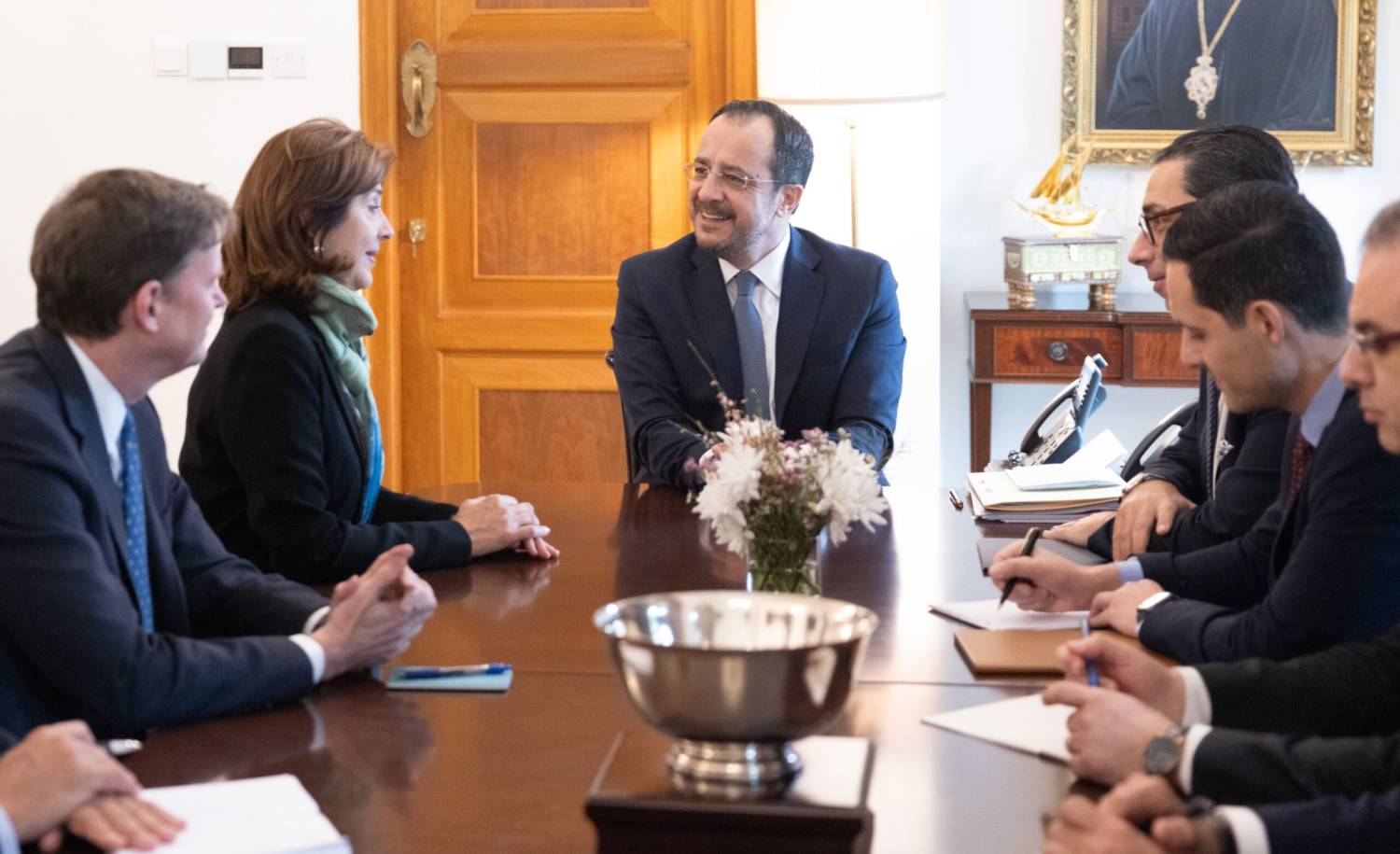
Maria Angela Holguín Cuéllar, the personal envoy of the United Nations Secretary-General, is in Cyprus to gather assessments on the failure of the talks in Crans Montana and to understand the positions of various political forces regarding the future of negotiations in Cyprus. During her meetings with leaders from both sides of the divide and party leaders, Holguín has emphasized not rushing into negotiations without sufficient momentum and has sought to understand each side’s desires and perceived responsibilities of the other side. She has indicated a preference for focusing on the present rather than past failures. Various political leaders have expressed their views to Holguín, ranging from skepticism about the potential for confidence-building measures to contribute positively, to differing perspectives on the future of negotiations and the possibility of a federation. The National Unity Party in the occupied territories has stated that the chapter of federation is closed, while the Republican Turkish Party supports efforts to create common ground for resuming official negotiations and seeks a comprehensive solution based on political equality.

Health affairs commissioner honoured

Health affairs commissioner honoured

The Council of Europe honored Stella Kyriakidou, the health affairs commissioner, as one of the 75 outstanding women for their contributions to human rights advancement. This recognition is part of a campaign for the 75th anniversary of the organization. Kyriakidou’s work as the general rapporteur for children at the Parliamentary Assembly of the Council of Europe helped Cyprus ratify the Lanzarote Convention in 2014. Her advocacy for human rights is highlighted through her rapporteur roles focusing on the rights of women, children, and the sick. In 2017, Kyriakidou became the fourth woman and the first Cypriot to be elected president of the parliamentary assembly of the Council of Europe.

Phoebe Coles bears Cyprus flag at Commonwealth Day

Phoebe Coles bears Cyprus flag at Commonwealth Day

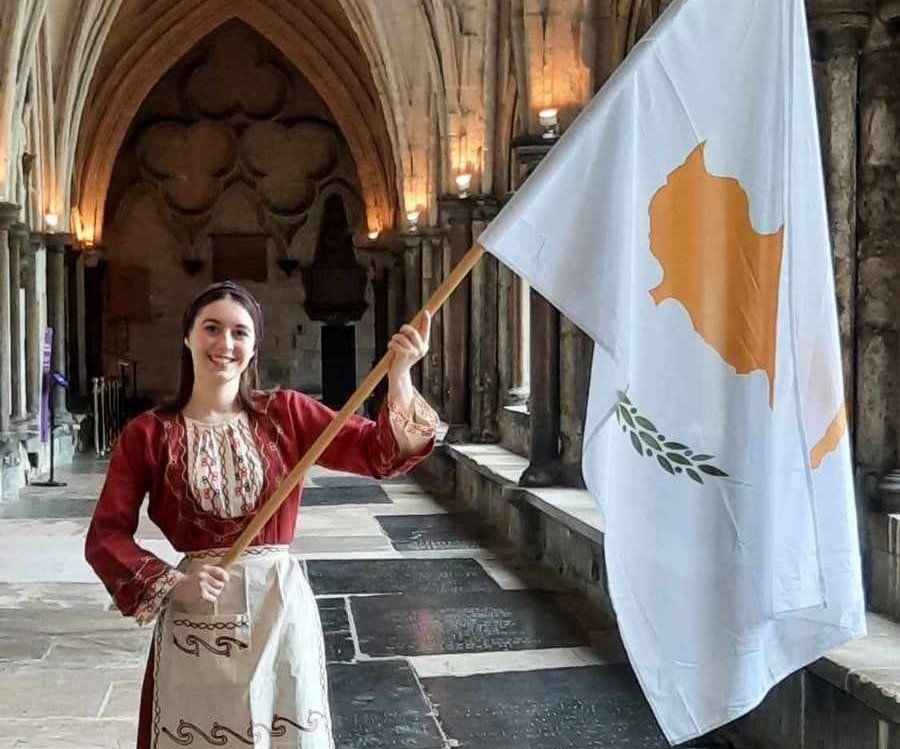
Phoebe Coles carried the Cypriot flag during the Commonwealth Day service at Westminster Abbey on March 11. She was chosen to represent Cyprus during the ceremony marking the 75th anniversary of the Commonwealth. Coles has been recognized for her humanitarian work, including receiving an honor at the Global Youth Awards in London. She is the founder and director of ‘Vicinus’, a voluntary humanitarian group focusing on education, fundraising, and advocacy for human rights, particularly concerning women, youth, refugee, and migrant rights and empowerment in Cyprus.

Oldest Greek Cypriot diaspora group sends resolution to UK PM

Oldest Greek Cypriot diaspora group sends resolution to UK PM

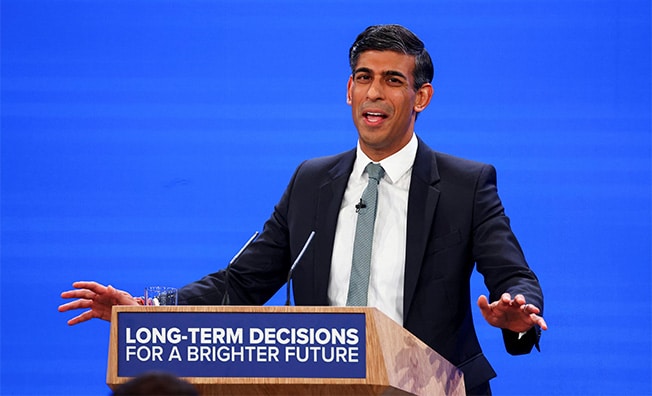
The Greek Cypriot Brotherhood, during its annual general meeting, approved a resolution addressed to UK Prime Minister Rishi Sunak concerning the Cyprus issue. The resolution commemorates the 50th anniversary of the Turkish invasion and occupation of Cyprus, describing it as a failure of international diplomacy and a violation of international law and human rights. It calls on the UK government to remain committed to its obligations to Cyprus as per international and European law, especially in light of a new impetus from the appointment of a personal envoy of the UNSG for Cyprus. The resolution emphasizes the UK’s special role regarding Cyprus, urges the UK to send a message to Turkey similar to its response to the Russian invasion of Ukraine, and calls for the reversal of divisive actions, implementation of UN resolutions, and support for UN efforts to resume negotiations for a solution that would enable the peaceful coexistence of religions. The resolution is signed by the Greek Cypriot Brotherhood President Aris Charalambides and Secretary Andreas Karaolis.

Russia responsible for Navalny’s death, UN rights expert says

Russia responsible for Navalny’s death, UN rights expert says

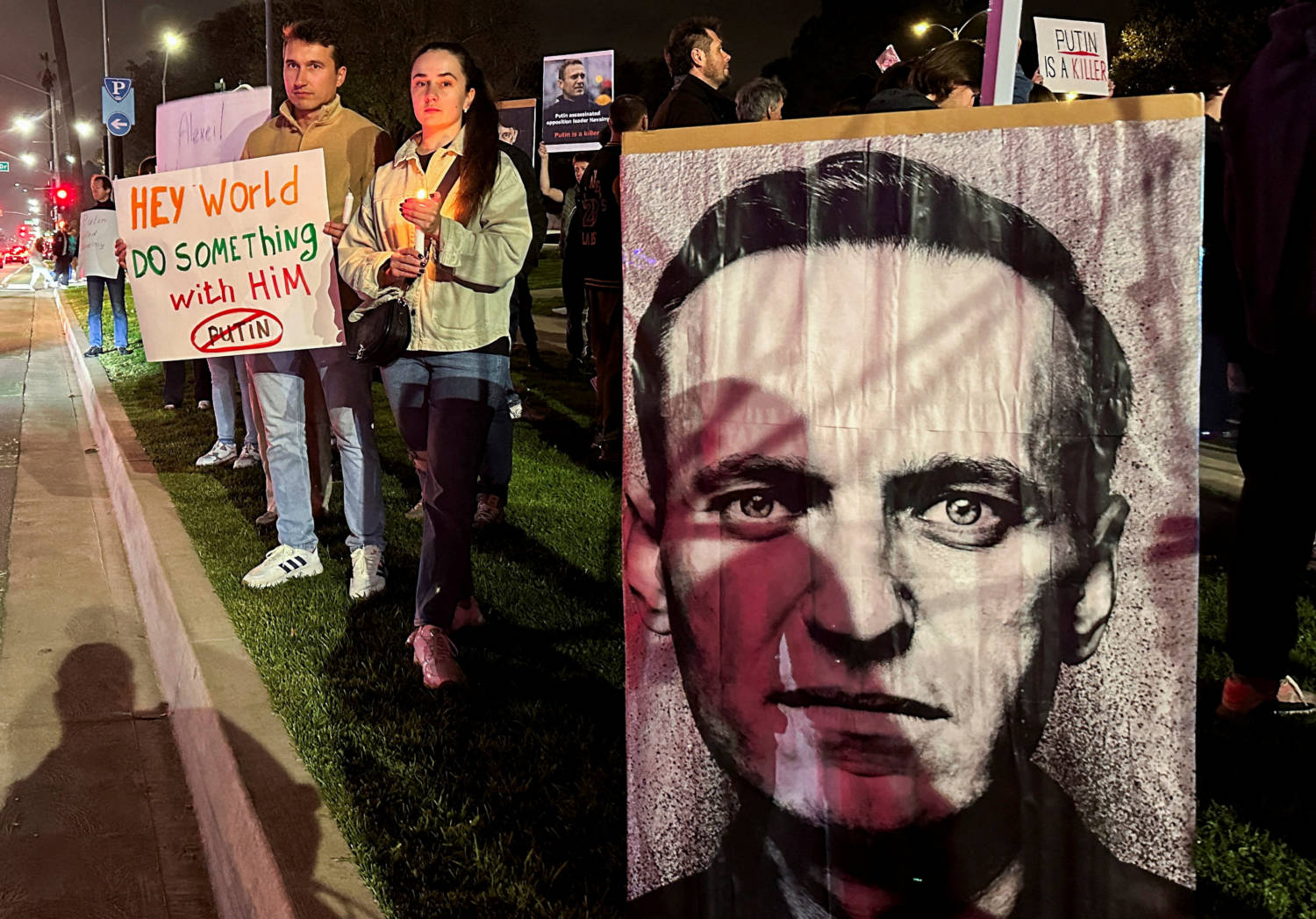
The U.N. human rights expert on Russia, Mariana Katzarova, stated that the Russian government is responsible for Alexei Navalny’s death, which occurred either due to being killed in prison or from detention conditions equating to torture. Navalny died on February 16 in an Arctic prison, with Russia’s spy chief claiming he died a natural death. Katzarova expressed concern for other detainees in Russia, including opposition politician Vladimir Kara-Murza, fearing they might face the same fate as Navalny. The Kremlin has denied accusations from Navalny’s wife, Yulia Navalnaya, that President Vladimir Putin had Navalny killed. Yulia Navalnaya has called for a massive election day protest against Putin on March 17, citing public support for Navalny’s cause since his death.

Russia’s presidential election: the who, what and when?

Russia’s presidential election: the who, what and when?

– Russia will hold a presidential election on March 15-17.
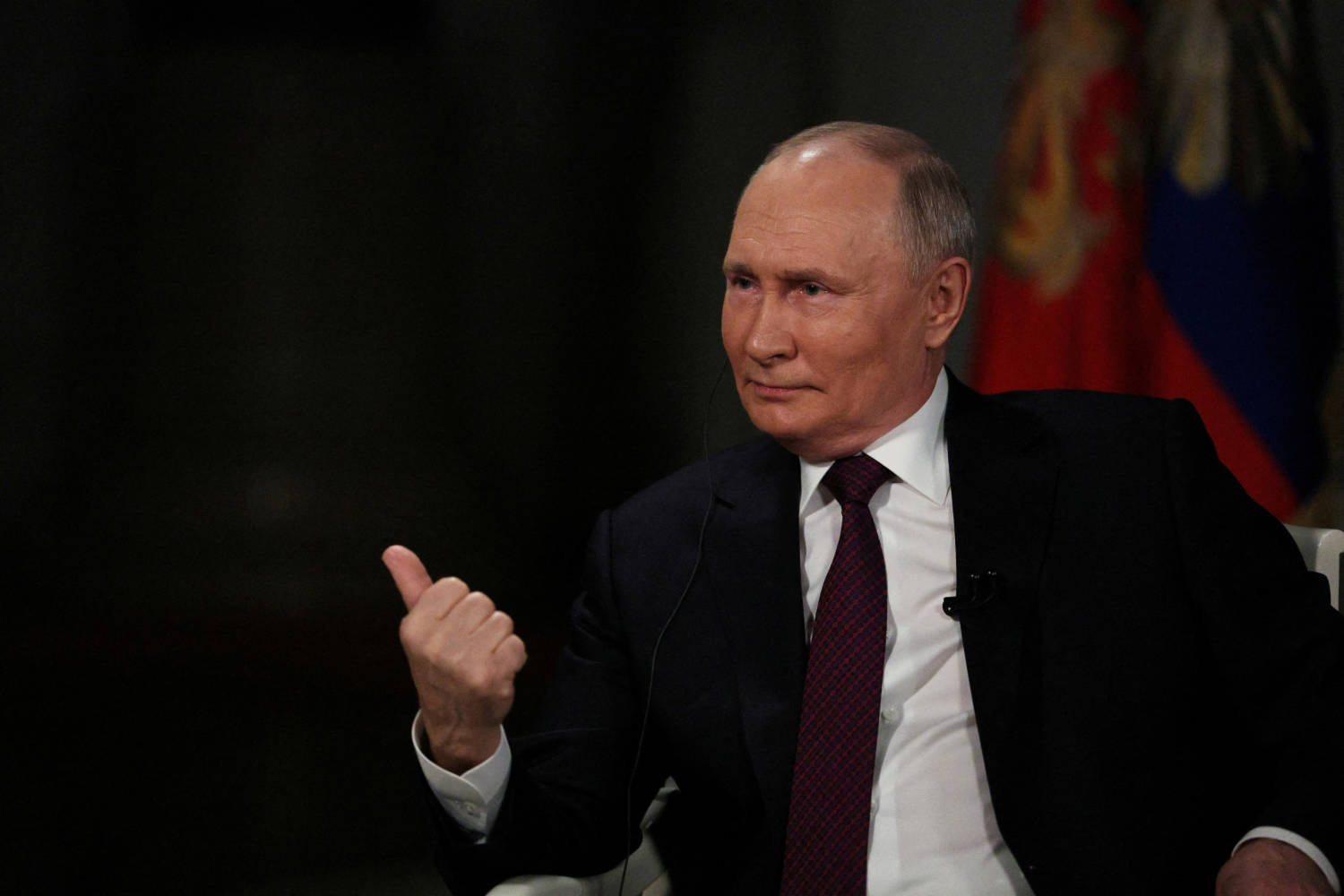
– President Vladimir Putin is expected to win, which would give him another six-year term.
– The election will include voting in parts of Ukraine now controlled by Russian forces.
– A remote online voting system will be available for the first time.
– There are 112.3 million eligible voters within Russia, 1.9 million abroad, and 12,000 in Baikonur, Kazakhstan.
– Turnout is usually around 70-80 million, with a 67.5% turnout in 2018.
– Putin’s opponents include Communist Nikolai Kharitonov, Leonid Slutsky of the Liberal Democratic Party, and Vladislav Davankov of the New People party.
– Anti-war candidate Boris Nadezhdin and Yekaterina Duntsova were barred from running.
– Putin has served as president longer than any Russian leader since Josef Stalin.
– Amendments in 2008 extended presidential terms to six years, and 2020 amendments reset Putin’s term count, allowing him to potentially remain in power until 2036.
– Putin has high approval ratings in Russia, despite Western criticism.
– The Russian opposition is tightly controlled, with pro-Western liberals having no seats in parliament.
– Supporters of Alexei Navalny are either in jail or have fled abroad.
– Yulia Navalnaya has called for a massive election day protest against Putin.
– Russian nationalist ex-militia commander Igor Girkin called the election a “sham.”
– The OSCE’s Office for Democratic Institutions and Human Rights was not invited to observe the election, citing deteriorated conditions in Russia.

Trafficking numbers far worse than reports suggest

Trafficking numbers far worse than reports suggest

Cyprus is reporting a decrease in human sex trafficking, but stakeholders claim police investigations are inadequate. Androula Christophidou Henriques, founder of Cyprus Stop Trafficking NGO, criticizes the current trafficking department’s lack of initiative. Between 2019 and 2022, Cyprus had 98 trafficking victims, with 33 cases related to sexual exploitation. The closure of cabarets in 2010 and COVID-19 restrictions have reduced sex trafficking activities, according to Henriques. Rita Superman, a Disy MP and former head of the police anti-trafficking department, believes the actual number of trafficking cases is higher than reported. The interior ministry plans to intensify inspections to prevent trafficking. Concerns about underreporting and institutional racism in handling trafficking cases have been raised by Dr. Nasia Hadjigeorgiou, who notes low prosecution numbers and inadequate victim interviews. Police cooperation between the Republic of Cyprus and the Turkish Republic of Northern Cyprus is minimal, affecting victim support. The US Department of State’s 2023 report places Cyprus in Tier 1 for compliance with trafficking standards but notes failures in victim referral and identification. The report also highlights the vulnerability of certain groups to trafficking and the government’s shortcomings in convicting traffickers and compensating victims. Efforts to combat human sexual trafficking in Cyprus intensified after the 2010 European Court of Human Rights decision in the case of Oxana Rantseva, leading to criminalization of human trafficking in Cyprus and Russia, and changes to Cypriot visa rules.

Monks were , ‘violently kidnapped’ by 30 men

Monks were , ‘violently kidnapped’ by 30 men

Two monks, Archimandrite Nektarios and Archimandrite Porfirios, embroiled in allegations involving sex and nearly €1 million in cash, have claimed they are victims of corruption between the police and church. Their lawyers, Adrianna Klaedes and Nikolaos Koulouris, allege the monks were kidnapped from the Osiou Avakoum monastery in Fterikoudes by a group of about 30 people, 10 of whom were hooded, and were forced to sign false confessions. The operation was allegedly overseen by Tamasos Bishop Isias. The monks were reportedly kept in separate areas, grilled for hours under guard, and forbidden from contacting anyone. They were forced to sign their voluntary defrocking against their will. The lawyers claim these actions were carried out by police officers in civilian clothes under orders from Bishop Isias. The letter detailing these allegations was sent to President Nikos Christodoulides, the anti-corruption authority, the police chief, and the House human rights committee. The police have denied these allegations, stating the monks were told they would be called in later to give a statement. The Holy Synod has reported the monks to the police, and the financial crimes unit is investigating. The monks were allegedly found with €800,000 in cash and property in Greece and Limassol, and were caught on CCTV footage having sex with each other. This footage was shown during a Holy Synod session, which referred the monks to ecclesiastical court. The monks’ legal team claims the footage was obtained and edited by another monk without their consent, violating GDPR regulations. President Christodoulides has stated that justice will be served without the need for intervention from any party.

7 out of 10 single mums face survival issues in Cyprus, survey shows

7 out of 10 single mums face survival issues in Cyprus, survey shows

A survey conducted more than three years ago by the Ypatia Equality Foundation for the Justice Ministry in Cyprus, titled ‘The Financial Repercussions of Divorce’, revealed significant financial difficulties faced by single mothers in Cyprus. Key findings from the survey include:

– Approximately 70% of single parents, predominantly women, are struggling to manage additional bills, raise children, generate income, and service debt inherited from their former spouses.
– Over 50% of single parents live at or below the poverty line, facing social exclusion.
– One in three single parents lost their employment following divorce.
– Despite the survey’s findings being submitted to the United Nations, it has not been utilized by authorities to improve the situation.
– Only 60% of divorced women are employed full-time, with more than 30% of single parents being unemployed.
– Family and friends provide more support to divorced women than social protection services.
– One in two divorcees live under the poverty line, with an annual income of around 10,000 euros.
– Nearly 60% of divorced women encounter daily practical issues at work, negatively affecting their careers, with many forced to leave their jobs due to the inability to balance work and childcare.
– More than half of male divorcees face housing issues, losing the family home, while nearly 70% of single mothers struggle with house mortgage payments.
– Eight out of ten single mothers limit their social lives to essential activities related to their children.
– 50% of divorcees, both male and female, believe that courts should consider the reasons for debt accumulation during the division of debt between former spouses, highlighting the issue of single mothers inheriting significant loans.