Bomb at Nicosia barber (Updated)
A bomb exploded in a barbershop in Nicosia on Sunday evening, causing extensive damage to the property. The explosion was caused by an explosive device placed in front of the shop. Police investigations are ongoing.
The Ayios Avakoum monastery in Fterikoudes has been implicated in a scandal involving a miracles’ racket and other deceptive practices, attracting attention from both the public and authorities. Revelations about the monastery’s activities, including allegations of sexual misconduct and financial exploitation by two monks, have prompted an investigation and an ecclesiastical court hearing. Residents and visitors have reported being extorted for money and property under the guise of religious donations. The situation has been exacerbated by social media influencers promoting the monastery’s supposed miracles, leading to large, profitable events. Efforts to address these issues with the police and church authorities have met with limited success.
Inflation in Cyprus was reported to be lower than expected and below the Eurozone target average of 2%. Despite this, the real economy is facing challenges with small to medium-sized enterprises closing almost daily due to rising electricity costs and fuel prices, which are expected to increase further due to a rise in world crude prices. Small businesses are also burdened by local fees and taxes. The consumers’ association criticized the Energy Ministry for a lack of transparency regarding the formula for determining fuel prices at the pump, suggesting that more openness could have reduced fuel prices by about 3-4 cents a litre during October to December. Additionally, the price of olive oil increased by 54% over the past year, with a further 3.4% increase in February. Some goods and services have helped keep the consumer price index in check, but prices in several sectors continue to rise due to a lack of healthy competition in the Cyprus economy. The “photovoltaics for all” scheme has been criticized for not adequately supporting households unable to invest in lower-energy appliances. The current administration has been reluctant to introduce more support measures for vulnerable people, aiming to maintain a sound fiscal policy.
The attorney-general’s office is blocking President Nikos Christodoulides from pardoning an 82-year-old man who was sentenced to 2.5 years in jail for shooting an attempted cable thief. The incident occurred in the Limassol village of Alassa last June when the man, seeking to protect his property during a power outage, fired a shot that hit the thief in the back. The man had previously reported thefts to the police and lived in fear of thieves. His lawyer stated that he did not intend to kill the thief, who suffered no lasting health problems from the incident. The president’s desire to pardon the man is based on humanitarian reasons, but so far, the attorney-general’s agreement has not been secured.
Researchers are working on ways to restore the sense of smell for people who have lost it, with Dr. Moustafa Bensafi leading a project called Rose, funded by the EU, which aims to develop an olfactory prosthesis. This device is intended to help people detect and recognize odors by either directly stimulating the olfactory system or indirectly stimulating the trigeminal nerve, which can convey sensations of temperature, pain, and touch. The project runs through August 2025 and is in the early stages of exploring how to stimulate the brain to restore the sense of smell. Additionally, another EU-funded project led by Marianna Obrist developed a kit for testing the sense of smell, called SmellHealth, which includes a device and an app to help users record their ability to detect different scents, aiming to improve olfactory care and potentially aid in the early diagnosis of diseases linked to olfactory decline.
Cyprus is a strategic location at the crossroads of Europe, Asia, and Africa, making it an attractive destination for professional expansion. The work landscape in Cyprus includes employment with a Cyprus company, self-employment, and working for a foreign company. Employees in Cyprus sign a contract of employment, are subject to Income Tax, Social Insurance, and contributions to the General Healthcare System, with a tax-free threshold for salary income set at EUR 19,500. Self-employment involves a contract of services, with taxation based on annual profits and mandatory registration for Social Insurance and the General Healthcare System. Working for a foreign company in Cyprus involves considerations regarding tax residency, with over 183 days spent on the island likely resulting in Cyprus tax residency. Non-Cyprus EU employers may need to register as local employers, while non-EU employers might need to establish a branch or company in Cyprus.
The telecommunications industry is transitioning from Technical Report 069 (TR-069) to Technical Report 369 (TR-369), also known as User Services Platform (USP). TR-069, developed by the Broadband Forum, is a protocol for remote management of end-user devices like modems, routers, and gateways, focusing on broadband devices. TR-369 represents the next evolution, extending management capabilities to all internet-connected devices, including IoT devices, and offering a more flexible, secure, and scalable approach. This transition aims to enhance operational efficiency, reduce costs, and drive revenue growth for telecommunications companies by leveraging automation, improving diagnostics, and creating new revenue streams through expanded service offerings. However, the shift also presents challenges, including technical complexities, the need for staff training, compliance with regulations, and the initial investment required.

European Union countries blocked new rules requiring large companies to check their supply chains for forced labour or environmental damage due to opposition led by Germany. A ‘qualified majority’ was needed for the corporate sustainability due diligence directive (CSDDD) to proceed to a final vote in the European Parliament, but not enough support was garnered. Germany’s Free Democrats (FDP) argued the law would impose excessive bureaucracy on businesses. Thirteen EU members abstained and one voted against the law. This was the second attempt by Belgium, holding the rotating EU presidency, to secure backing for the directive. The CSDDD, set to enter force in 2027, mandates large companies in the EU to identify and address forced or child labour and environmental damage in their supply chains. The rules would apply to companies with more than 500 employees and a net worldwide turnover above 150 million euros.
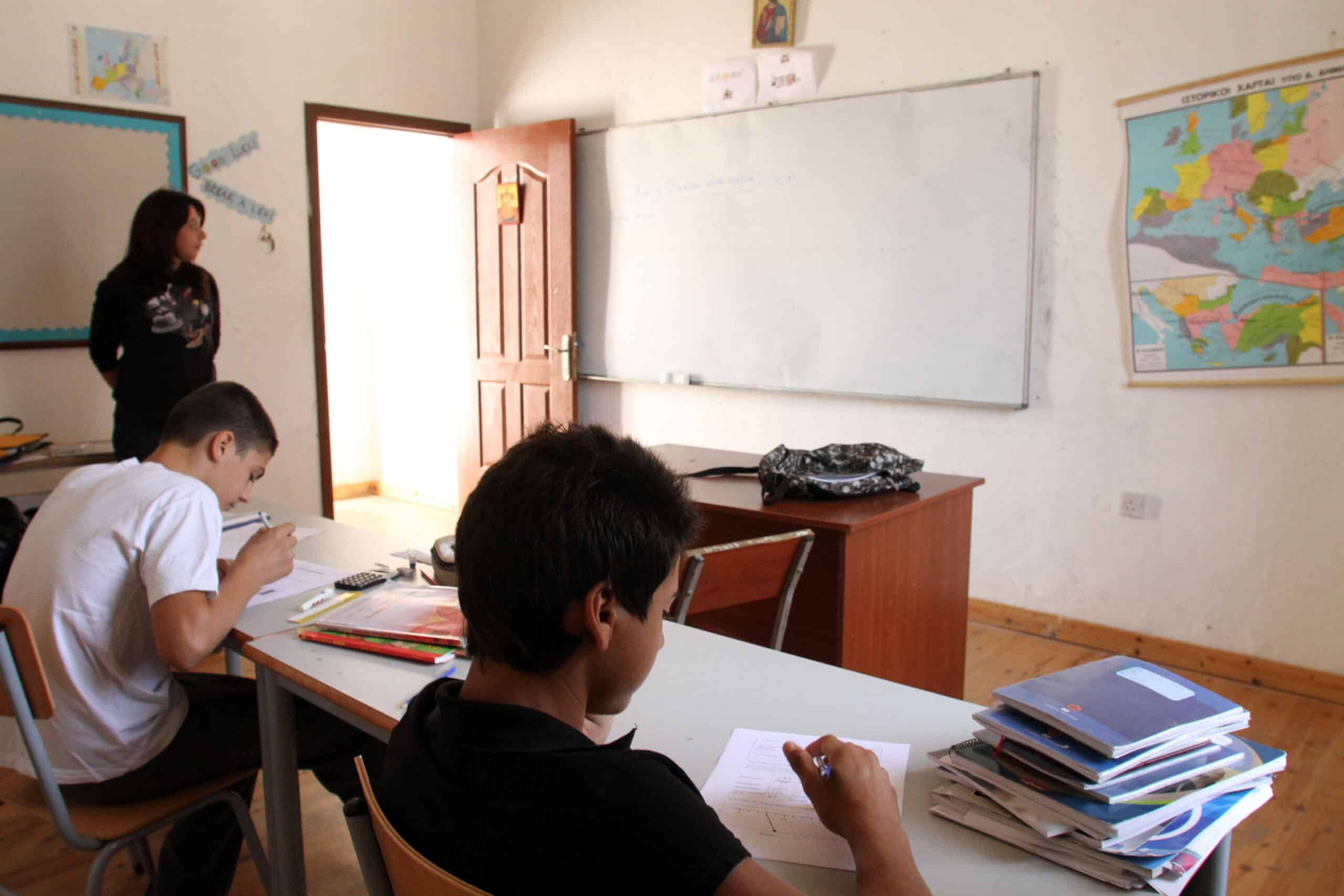
The Cypriot government has pledged to take all necessary actions regarding the situation in Rizokarpaso schools after Turkish Cypriot officials were reported to have interfered with the functioning of Greek Cypriot schools, including unannounced inspections and questioning of teachers. This interference has been ongoing since May, with the officials inspecting books, notebooks, classrooms, and teaching materials, and isolating teachers for questioning. The severity of the issue has led to the involvement of the Ministry of Foreign Affairs. The north’s authorities have a practice of checking all books entering the schools, occasionally banning or requiring modifications to them. The Republic’s foreign ministry typically requests permission for visits through the UN, according to protocol. Additionally, there was a mention of the Turkish army monitoring works by British Bases forces near Achna, and a statement on the situation in Pyla, emphasizing the importance of implementing all provisions of the Understanding for both communities.
India’s Maharashtra state is expanding its scrutiny to include global fast-food brands to verify if they are using cheese alternatives while falsely advertising products as containing real cheese. This action follows a crackdown on McDonald’s, where the state’s Food and Drug Administration will inspect outlets for compliance with display and labeling rules. McDonald’s largest India franchisee, Westlife Foodworld, has been under scrutiny for allegedly using cheese analogues. Despite disagreements with the findings, Westlife dropped the word “cheese” from several product names. Other brands such as Domino’s, Pizza Hut, Burger King, and KFC, operated by Indian franchisees, will also be inspected. Shares of Westlife and Devyani International, which operates Pizza Hut and KFC in India, saw declines following the news. The state has the authority to suspend licenses for food safety violations. Westlife asserts it maintains high standards and uses real cheese.