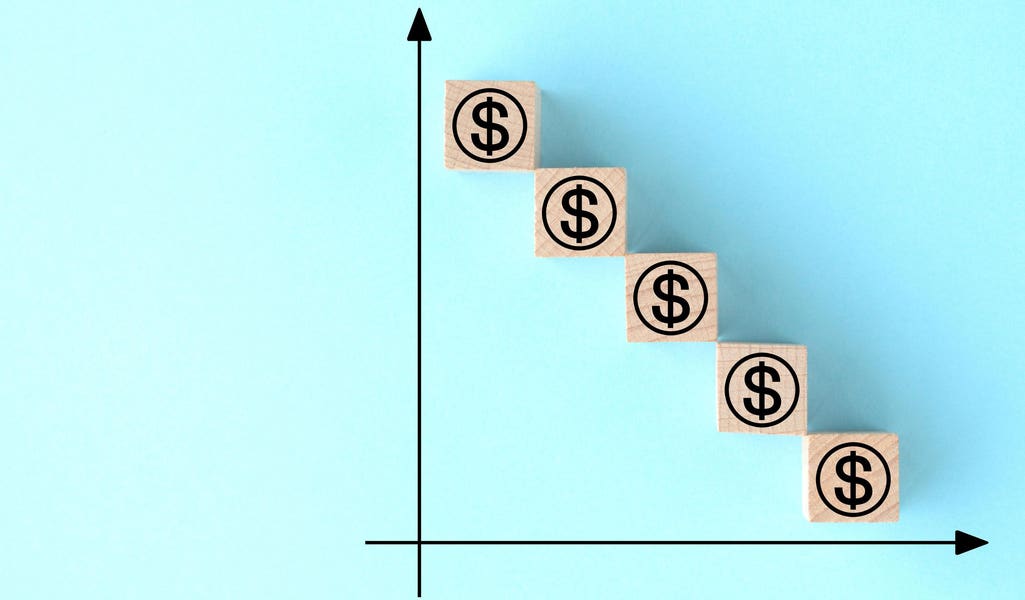
Multiplicity of taxes heavily burdening industrial sector
Fact: Nineteen to twenty different federal and provincial taxes are currently levied on industrial sector/manufacturing units in Pakistan, increasing their cost of doing business.
Fact: Britain’s economy is on course to exit a shallow recession after output grew for a second month in a row in February, with GDP expanding by 0.1 per cent in monthly terms.
The International Energy Agency (IEA) trimmed its forecast for 2024 oil demand growth by 130,000 barrels per day to 1.2 million bpd due to lower than expected consumption in OECD countries and a slump in factory activity.
Countries need to increase tax collection to finance investments in human capital, infrastructure, and services. Many developing countries are struggling to collect enough revenue, with some collecting less than 15% of GDP in taxes. To resume economic growth and reduce poverty, tax systems need to be made more equitable and efficient.
– Some political parties are proposing to increase corporation tax, which is popular among some voters
– Corporate tax revenues are volatile, especially during tough business cycles
– Abolishing tax breaks is the easiest way to create sustainable funding for defense
– Increasing VAT and corporate tax by 1% is the simplest way to finance defense
– Lithuania has the lowest debt in the EU and should not be afraid to borrow for defense
– Germany and Estonia are making mistakes with their fiscal policies
– A strong counter-cyclical fiscal policy is needed in Europe
– Different proposals have been made to raise funds for defense, including revising tax rates and increasing corporate tax
– Opposition groups propose introducing a bank wealth tax, issuing defense bonds, and reducing the shadow economy
– Defense funding in Lithuania is currently at 2.75% of GDP, with a goal of reaching 3%
– The 4 Percent initiative aims to allocate 4% of GDP to defense and has support from businesses and organizations.
Posidonia 2024 is set to mark the rebirth of the Greek shipbuilding industry, with over 85 shipyards from 26 countries confirmed to showcase their vessel design and production innovations from June 3-7.
The content discusses updated data from the Urban-Brookings Tax Policy Center showing a decreasing shareholder tax base and how it could affect tax policy. The percentage of taxable shareholders has dwindled over time, with implications for taxing dividends and capital income. Foreign investors, retirement accounts, and not-for-profit institutions are the largest groups of nontaxable shareholders. The article aims to address the issue of a shrinking tax base and provides transparency in methodology for readers to engage with the data. The implications of the decreasing shareholder tax base include the impact on corporate tax cuts benefiting foreign investors and the need to consider solutions like a withholding tax on corporate distributions to foreign investors.
Portugal’s new minority centre-right government plans to maintain balanced budgets, reduce public debt, and privatize flag carrier TAP. The previous Socialist administration saw a budget surplus last year, and the new government aims to continue with the privatization process, attracting interest from companies like Lufthansa, Air France-KLM, and IAG. Prime Minister Luis Montenegro intends to fully privatize TAP, and the government’s program includes proposals from other parties’ electoral programs. The program will be debated in parliament later this week.
Cyprus is positioned to become a regional center for technology and innovation, with Deputy Minister of Research, Innovation and Digital Policy, Nikodemos Damianou stating this at the 14th Nicosia Economic Congress. Damianou revealed an ambitious plan for Cyprus to be the first country fully covered by a high-speed fiber optic network. Additionally, a substantial 23% of the funds from the Resilience and Recovery Plan were allocated to technological upgrading.
Fact: The finance minister of Cyprus, Makis Keravnos, emphasized the importance of enriching Cyprus’ economic model and maintaining investment levels as part of the government’s economic policy.