How Did the Tax Cuts and Jobs Act Change Cost Recovery?

The Tax Cuts and Jobs Act introduced 100 percent bonus depreciation for short-lived assets from September 27, 2017, until January 1, 2023.
The Tax Cuts and Jobs Act introduced 100 percent bonus depreciation for short-lived assets from September 27, 2017, until January 1, 2023.

The Moore v. United States case involves the question of “unrealized income” and its taxation. The plaintiffs, Charles and Kathleen Moore, are challenging the constitutionality of the Section 965 transition tax. The Supreme Court is expected to release an opinion soon, which could have significant impacts on tax policy, potentially reducing federal tax revenues. The ruling may also affect the implementation of the global minimum tax agreement known as Pillar Two. Additionally, the case could lead to changes in the timing of taxes and even preemptively strike down some wealth tax proposals.

The New York City Department of Finance is expected to deviate from the New York State corporate tax reform regulations in several key areas, including the application of unincorporated business tax sourcing rules for corporate partners, authorizing deviations from statutory apportionment methods based on individual facts and circumstances, allocating income from passive investment customers using an 8% fixed allocation, increasing the threshold for taxpayers to use a billing address “safe harbor,” and retaining excess inclusion in income for holders of residual interests in real estate mortgage investment conduits.

The corporate alternative minimum tax (CAMT) was reintroduced in 2022 as part of the Inflation Reduction Act, imposing a 15% minimum tax on large corporations with three-year average annual adjusted financial statement income (AFSI) exceeding billion. This new CAMT is based on AFSI, not taxable income, and impacts about 150 companies according to the U.S. Congress’ Joint Committee on Taxation. Corporate tax departments need to understand CAMT rules, analyze tax liability, consider financial reporting implications, and engage in strategic planning to navigate the complexities of remaining compliant with the new regulations.

The foreign resident capital gains tax regime will be tightened by broadening the types of assets subject to CGT, implementing a 365-day testing period for the principal asset test, and requiring foreign residents to notify the ATO before disposing of shares exceeding million in value. These amendments aim to clarify which assets are subject to CGT and prevent tax avoidance by foreign residents. The changes will apply to CGT events starting from 1 July 2025, with no grandfathering for existing assets.

The text discusses the importance of prioritizing permanence for pro-growth tax reforms and avoiding economically harmful payfors. It mentions that raising the corporate income tax rate is not a recommended option for fiscally responsible and pro-growth tax reform.
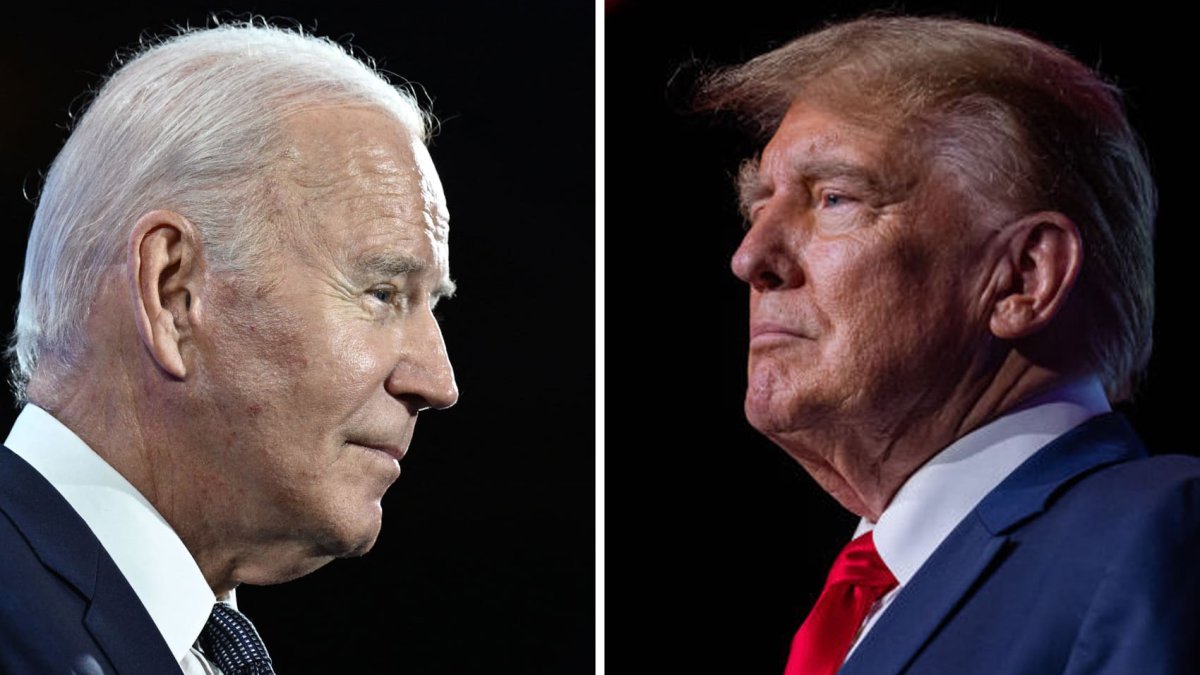
– Many provisions from the Tax Cuts and Jobs Act of 2017 are set to expire after 2025 unless Congress extends them.
– Fully extending the TCJA tax breaks could add an estimated .6 trillion to the deficit over the next decade.
– The federal budget deficit could complicate proposals from former President Donald Trump and President Joe Biden.

The political class in San Francisco has reached a consensus on a proposal to reform the city’s tax code. The proposal includes small tax cuts for large corporations, no taxes for small businesses, and aims to reduce reliance on a few big corporations to fund the city. However, the proposal is seen as incremental and not radical enough by some, with concerns about the temporary nature of the cuts, the risk of concentration among top taxpayers, and the retention of anti-business measures like the Overpaid Executive Gross Receipts Tax. Additionally, the proposal will need to be voted on by citizens in November, adding complexity to the process.

Israeli Prime Minister Benjamin Netanyahu will present a bill to conscript ultra-Orthodox Jews into the military to a ministerial committee. The issue is sensitive due to ongoing conflicts and high casualties among secular draftees. Ultra-Orthodox parties in Netanyahu’s coalition oppose the exemptions, leading to protests. Economists argue that the conscription waiver keeps ultra-Orthodox out of the workforce, creating a welfare burden. Israel’s Arab minority is also largely exempt from the draft.

The Brookhaven IDA brought in over million in revenue in 2021 from fees for corporate tax breaks, making it the highest revenue generator outside of New York City. The largest revenue boost came from tax abatements for NorthPoint Development and Winters Brothers’ rail terminal project. The IDA has faced criticism for prioritizing transaction fees over economic development, with concerns raised about the impact on schools and public services. The IDA is considering providing tax breaks for a diesel truck terminal in North Bellport, with concerns about the potential impact on school funding. The board has also imposed a moratorium on tax breaks for warehouse projects over 100,000 square feet due to concerns about oversupply and vacancy rates in the region.