US, UK, French military shoot down dozens of Houthi drones after attack on bulk carrier, destroyers

US, UK, French military shoot down dozens of Houthi drones after attack on bulk carrier, destroyers

U.S., French, and British forces downed dozens of drones in the Red Sea area after Yemen’s Iran-aligned Houthis targeted the bulk carrier Propel Fortune and U.S. destroyers. The Houthis have been attacking ships in the Red Sea and Gulf of Aden since November, claiming solidarity with Palestinians. They targeted the cargo vessel and U.S. war destroyers with 37 drones. The U.S. military and coalition forces downed at least 28 drones over the Red Sea, with no damage to U.S., Coalition Navy vessels, or commercial ships reported. A French warship and fighter jets shot down four combat drones, protecting the cargo ship True Confidence and other vessels. Britain’s HMS Richmond repelled a Houthi drone attack, shooting down two drones with no injuries or damage reported. Three seafarers were killed in a missile strike by the Houthis on the Greek-operated True Confidence. The Propel Fortune was targeted, likely due to outdated U.S. ownership data, but all crew were safe, and the vessel proceeded to its next port.

Israel strikes landmark residential tower in southern Rafah as truce talks stall [PHOTOS]

Israel strikes landmark residential tower in southern Rafah as truce talks stall [PHOTOS]

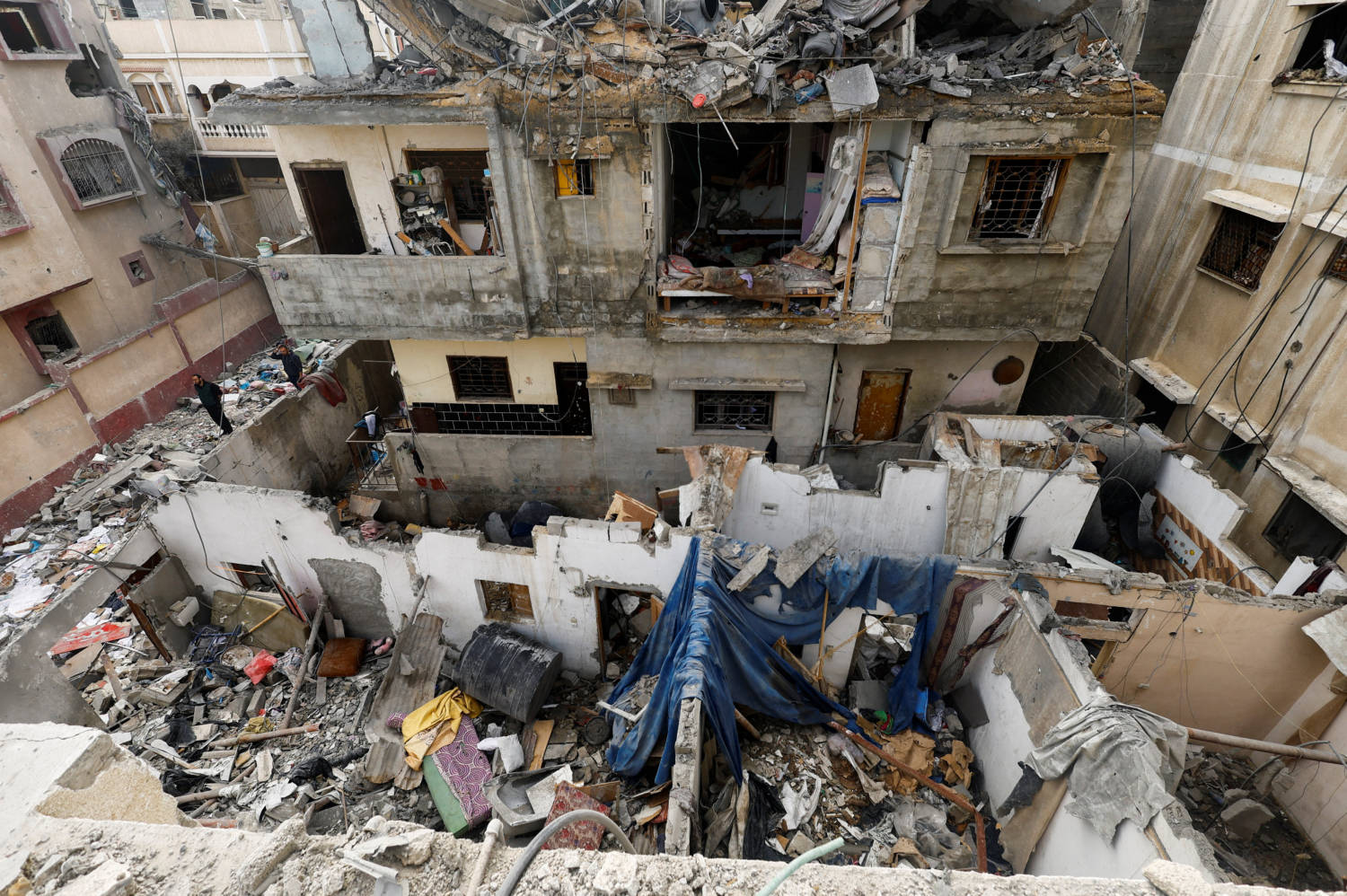
Israel conducted a strike on one of the largest residential towers in Rafah, located in the southern Gaza Strip. The 12-floor building, which housed around 300 residents and was situated approximately 500 meters from the Egyptian border, sustained damage. Although no casualties were reported, the strike rendered dozens of families homeless. Residents received a 30-minute warning before the building was hit, leading to a chaotic evacuation. The Israeli military has not commented on the incident. This action is part of a broader conflict that has seen nearly 31,000 Palestinians killed and over 72,500 wounded in five months, with thousands trapped under rubble. The ongoing offensive has significantly impacted Gaza, exacerbating a humanitarian crisis in the territory, which has been under a blockade for 17 years. The conflict was triggered by a Hamas-led attack on southern Israel on October 7, resulting in 1,200 deaths and 253 hostages taken, according to Israeli reports. Negotiations for a ceasefire and the release of hostages have faced challenges. The cost of rebuilding Gaza is estimated to exceed billion. In recent operations, the Israeli military reported conducting arrests, locating weapons, and killing over 30 fighters in various locations in Gaza. The Gaza health ministry reported at least 82 people killed in Israeli attacks across the Gaza Strip in the last day.

Hamas delegation leaves Cairo, ceasefire talks ongoing 

Hamas delegation leaves Cairo, ceasefire talks ongoing 

– Hamas’s delegation left Cairo on Thursday after four days of talks mediated by Qatar and Egypt aimed at securing a 40-day ceasefire before Ramadan, but no progress was made on key issues.
– Both sides blame each other for the lack of progress, with Hamas seeking an end to Israel’s offensive, withdrawal of its forces, and freedom of entry for aid and the return of displaced people.
– Israel insists on continuing its campaign against Hamas and demands a list of hostages held by militants in Gaza.
– The U.S. President mentioned that a ceasefire deal depends on Hamas, which includes freeing some hostages held by Hamas since the Oct. 7 attack and releasing Palestinian prisoners held in Israel.
– Hamas wants a ceasefire before addressing the hostage situation, demands Israeli forces leave Gaza, and allows all Gazans to return home.
– News of the failed talks led to despair in Gaza, facing a humanitarian crisis after five months of war.
– The U.S. believes a truce accord is still possible and continues to push for one.
– Health officials in Gaza report over 30,800 deaths due to Israel’s offensive, with 83 deaths in the last 24 hours.
– Israel returned 47 bodies of Palestinians killed during the offensive.
– Hamas calls for increased visits to the Al-Aqsa Mosque during Ramadan to pressure Israel for a ceasefire.
– Negotiators aimed for an accord before Ramadan due to concerns that the Al-Aqsa Mosque could become a violence flashpoint.
– Israel plans to allow a similar level of access to the Al-Aqsa Mosque as in previous years.

Gaza truce talks expected as offensive and aid crisis rage on

Gaza truce talks expected as offensive and aid crisis rage on

Mediators are expected to reconvene in Cairo to find a ceasefire formula acceptable to Israel and Hamas for Gaza. Foreign governments have conducted airdrops to aid civilians in Gaza. Israeli and Hamas delegations are expected in Cairo, but Israel wants a list of alive hostages before sending a delegation. A framework for a six-week pause in fighting, agreed upon by Israel, now depends on Hamas releasing hostages. The U.S. has called for more aid into Gaza, which Israel denies restricting. The U.S. military airdropped 38,000 meals over Gaza. Israel disputes the death toll from a food convoy catastrophe, attributing most deaths to being trampled or run over. Since October 7, when Hamas attacked, killing 1,200 and abducting 253, over 30,000 have been killed in Gaza, and tens of thousands injured. Fighting continued around Khan Younis and Rafah, with significant casualties reported. Hamas insists a temporary truce must lead to ending the war, with assurances given for negotiating a permanent ceasefire in later phases.

Hamas studies Paris truce proposal involving 40-day pause and hostage exchange, source says

Hamas studies Paris truce proposal involving 40-day pause and hostage exchange, source says

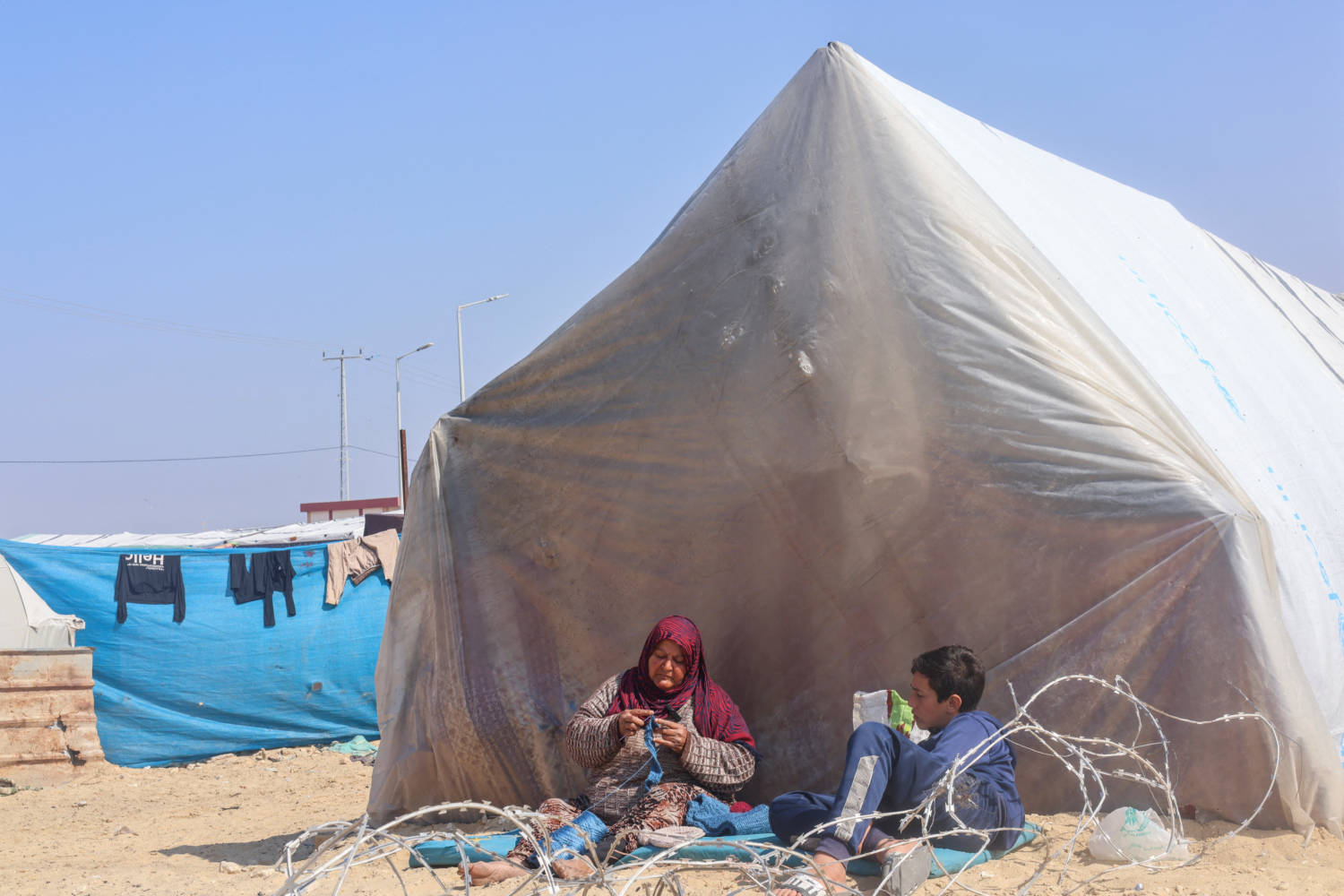
A draft proposal from Gaza truce talks in Paris includes a 40-day pause in all military operations and an exchange of Palestinian prisoners for Israeli hostages at a ratio of 10 to one. The ceasefire would allow for the repair of hospitals and bakeries in Gaza, the entry of 500 aid trucks into the strip each day, and the delivery of thousands of tents and caravans to house displaced individuals. Under the draft, Hamas would release 40 Israeli hostages, including women, children under 19, elderly over 50, and the sick, while Israel would release around 400 Palestinian prisoners and not re-arrest them. The Gaza truce talks aim to halt fighting in Gaza and secure the release of Israeli and foreign hostages. Mediators are working to secure a ceasefire to prevent an Israeli assault on Rafah, where over a million displaced people are sheltering. U.S. President Joe Biden stated that Israel agreed not to engage in military activities in Gaza during Ramadan, from the evening of March 10th to April 9th, 2024, and to allow Palestinians to evacuate from Rafah before intensifying its campaign to destroy Hamas. After Hamas killed 1,200 people and captured 253 hostages on October 7, Israel launched a ground assault on Gaza, resulting in nearly 30,000 deaths, according to Gaza health authorities.

FACTBOX-Details of 40-day Gaza truce draft proposal being studied by Hamas

FACTBOX-Details of 40-day Gaza truce draft proposal being studied by Hamas

The Palestinian Islamist group Hamas has received a draft proposal from Gaza truce talks in Paris, which includes a pause in military operations and an exchange of Palestinian prisoners for Israeli hostages. The first stage of the deal is proposed to last 40 days, with a prisoner-hostage exchange ratio of 10 to one. The proposal outlines several conditions, including the complete cessation of military operations by both parties, the stopping of aerial reconnaissance over Gaza for eight hours a day, and the release of all Israeli detainees under specific categories in exchange for approximately 400 Palestinian prisoners. It also calls for the gradual return of displaced civilians to the northern Gaza Strip, the repositioning of Israeli forces away from densely populated areas, and commitments to humanitarian aid, including the entry of trucks, tents, caravans, and the rehabilitation of hospitals and bakeries in Gaza. Additionally, Israel agrees to allow the entry of heavy machinery for humanitarian purposes, with Hamas pledging not to use this equipment to threaten Israel. The first phase’s arrangements will not apply to the second phase, which will require separate negotiations.

WHO plans more evacuations from Gaza hospital as bodies buried on grounds

WHO plans more evacuations from Gaza hospital as bodies buried on grounds

Aid agencies, led by the World Health Organization (WHO), aim to evacuate approximately 140 patients from Gaza’s Nasser hospital. The hospital, located in Khan Younis and essential to Gaza’s health services, ceased operations last week due to an Israeli siege and subsequent raid. The WHO has managed three evacuations, transferring 51 patients to hospitals in southern Gaza. Despite Israeli forces withdrawing from and then re-entering the hospital, efforts to evacuate critically ill and wounded patients continue. The hospital has faced severe challenges, including a lack of power, oxygen, food, drinking water, and medical supplies, and flooding with sewage water. Currently, only 13 of Gaza’s 34 hospitals are partially functioning, amidst a humanitarian crisis affecting the region’s 2.3 million residents.